Guest Post

Guest Post

Why Cover in Islam? Decoding the Significance of Women's Clothing Requirements

By Baano.Feb 06, 2026
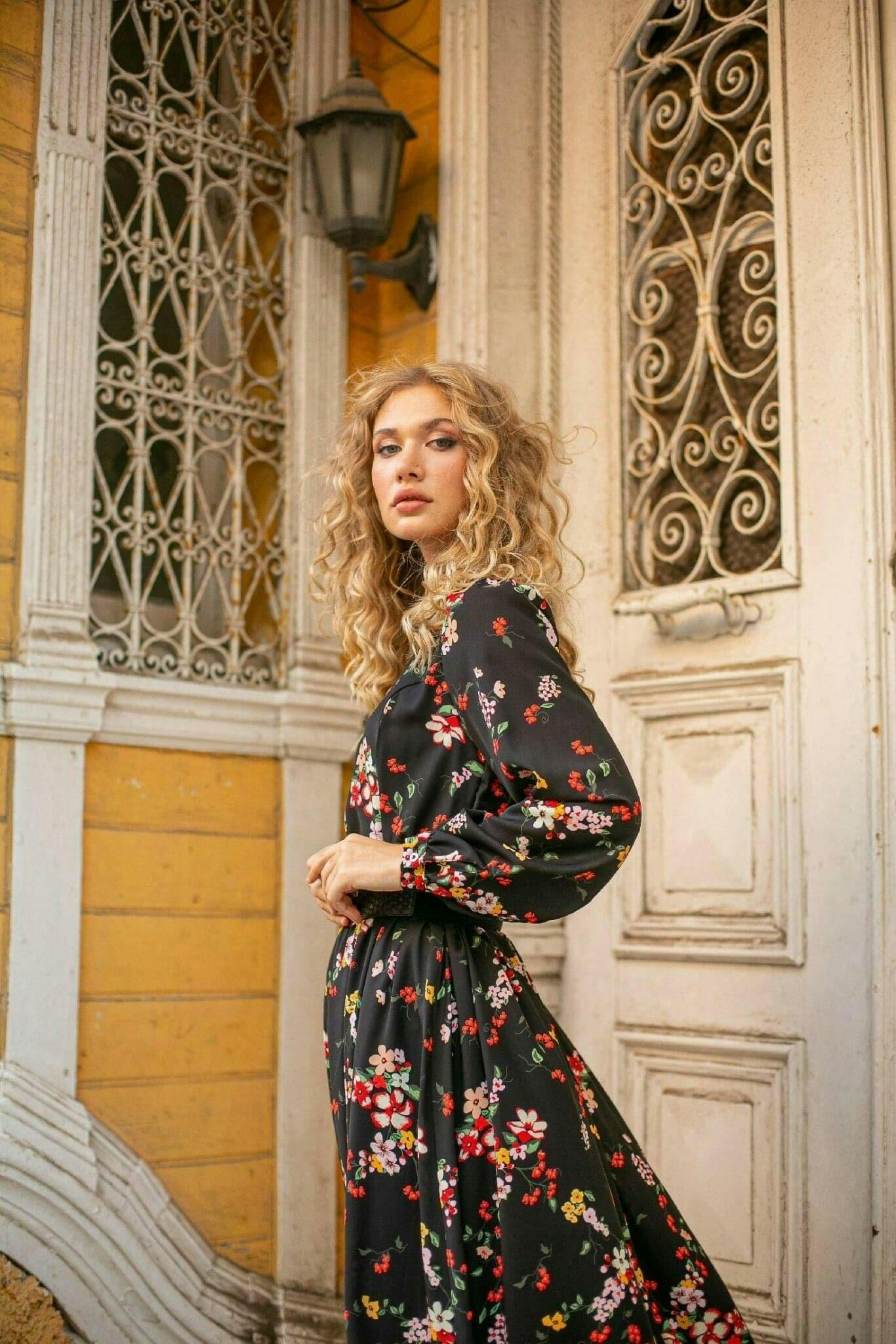
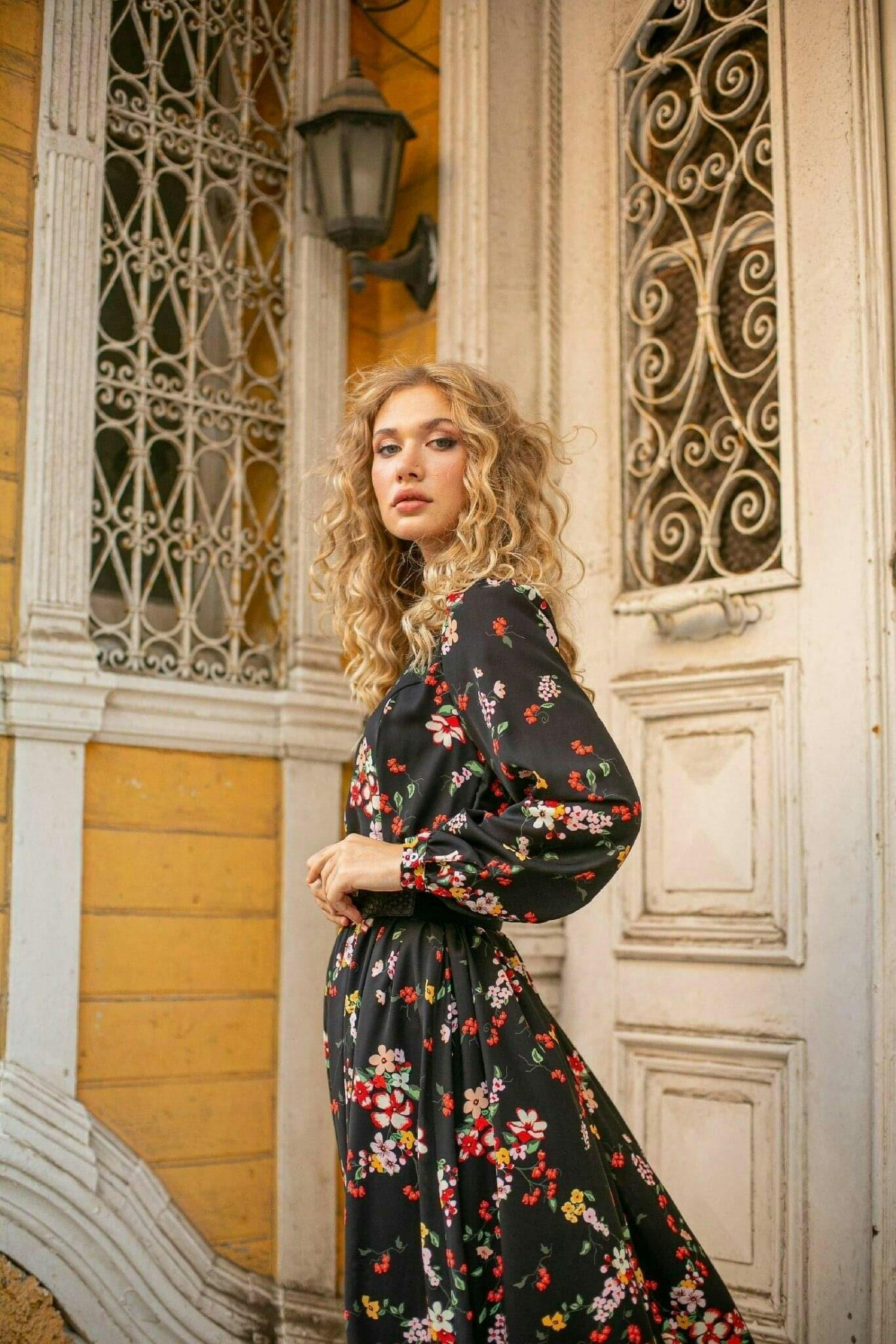
Here's an overview: Introduction to Women's Clothing Requirements in Islam Historical Context of Modesty in Islamic Societies Religious Texts and Their Interpretations The Qur'an Hadiths Interpretations and Contemporary Context Modern Applications The Purpose of Modesty: Spiritual and Social Dimensions Spiritual Dimensions Social Dimensions Different Types of Islamic Attire for Women 1. Hijab 2. Abaya 3. Niqab 4. Burqa 5. Chador 6. Khimar 7. Burkini Cultural Variations in Islamic Dress Codes Common Misconceptions and Stereotypes Personal Perspectives and Stories from Muslim Women The Impact of Modernity and Globalization The Shift in Perceptions Balancing Tradition and Modernity The Influence of the Fashion Industry Social Media and Modest Fashion The Global Conversation Legal Perspectives and Human Rights Considerations Addressing Legal Regulations Human Rights Debates International Perspectives Conclusion: The Evolving Understanding of Women's Clothing in Islam Key Aspects of Modest Clothing in Islam Personal Reflections on the Practice Introduction to Women's Clothing Requirements in Islam When I first embarked on understanding the significance of hijab in Islam, I realized its profound symbolism and purpose. It is more than just a piece of fabric; it represents a commitment to faith and modesty. This importance goes beyond the mere physical act of covering to encompass deeper spiritual dimensions. Covering for Faith: Modest Apparel Insights In Islam, the concept of modest apparel is not restricted to women alone, but for this section, I’ll focus on women’s clothing requirements. Modesty is a core value, meant to shield from unnecessary scrutiny and promote inner peace. It includes: Hijab: The headscarf that covers the hair and neck. Abaya: A long, flowing cloak that covers the body. Burkini: Modest swimwear that allows women to swim while adhering to Islamic guidelines. Understanding how to be a modest woman in today’s society involves more than just choosing the right attire. It’s about an inner modesty that reflects in behavior and interaction. Yet, dressing modestly is a significant outward expression of this principle. Modern Trends and Elegance While modesty is the primary goal, modern trends offer diverse ways to embrace elegance. The evolution of abaya trends showcases how contemporary designs and fabrics can keep modesty intact while allowing personal style. Abayas now come in various styles, colors, and cuts, making it possible to adhere to religious guidelines and maintain a fashionable appearance. The Burkini: A Comprehensive Guide to Modest Swimwear When I delve into the burkini, I find it serves as a solution for those who enjoy swimming but wish to maintain their religious principles. The comprehensive guide to modest swimwear recommends options that provide full coverage without compromising comfort and individuality. In essence, these garments are not mere clothing items but signify a deeper ethos and are aligned with a holistic approach to modesty, reflecting both faith and elegance. Historical Context of Modesty in Islamic Societies When I started diving into the significance of hijab understanding its purpose, I realized that the practice of covering has deep historical roots. In Islamic societies, modest apparel has always had a profound connection to faith. It's not just about the clothes themselves but also the underlying ethos they represent. Historically, the emphasis on modesty stems from the teachings of the Quran and Hadiths, which prescribe guidelines for how to be a modest woman in today's society and beyond. Earliest Traditions: Early Islamic texts record women wearing various forms of covering, like the jilbab and khimar, as acts of piety and devotion. These forms of modest apparel were not mere cultural artifacts but emblems of faith. Quranic Verses: The Quran, the holy book of Islam, explicitly mentions the wearing of the hijab and encourages both men and women to practice modesty. Surah Al-Noor (24:30-31) and Surah Al-Ahzab (33:59) are particularly noted for highlighting the concept of covering for faith. Geographical Influence: Depending on the region, the styles and prevalence of modest clothing can vary. For instance, the abaya is more common in Gulf countries and has evolved over centuries, blending traditional modesty with contemporary fashion trends. Embrace elegance with our ultimate guide to the diverse styles of abayas. Socio-Cultural Practices: Islamic societies have also influenced one another, leading to widespread adoption of modest fashions such as hijabs, niqabs, and abayas, underscoring Islam's rich cultural tapestry. From historical records, it is evident that the interactions between different Islamic communities contributed to a shared yet diverse expression of modesty through clothing. Modern Influence: In more recent times, the need for modest swimwear has given rise to the creation of burkinis. The burkini: a comprehensive guide to modest swimwear showcases how even in modern contexts, Islamic values of modesty continue to inspire innovative clothing solutions. Understanding these historical contexts provides invaluable insights into why modest clothing remains vital for many Muslim women today. It becomes clear how deeply intertwined such practices are with their worship and identity. Religious Texts and Their Interpretations When discussing the significance of hijab and understanding its purpose, a deep dive into religious texts is imperative. Within Islamic tradition, several key texts guide the practice of modest dressing for women. Here, I will provide a professional exploration of these texts and their varied interpretations. The Qur'an The Qur'an is the primary religious text in Islam, laying the foundation for the significance of hijab. There are specific verses that provide guidance on modest apparel. Among the most frequently cited are: Surah An-Nur (24:31): And tell the believing women to reduce their vision and guard their private parts and not expose their adornment except that which [necessarily] appears thereof and to wrap [a portion of] their headcovers over their chests and not expose their adornment except to their husbands, their fathers, their husbands' fathers, their sons... Surah Al-Ahzab (33:59): O Prophet, tell your wives and your daughters and the women of the believers to bring down over themselves [part] of their outer garments. That is more suitable that they will be known and not be abused... These verses are often interpreted to direct women towards covering certain parts of their bodies, thereby reinforcing the importance of modest dressing. Hadiths Hadiths, the recorded sayings and actions of Prophet Muhammad, provide additional insights into the practice of modesty. Key hadiths include: Sahih Bukhari 1:8:368: The Prophet said, "The woman is considered 'Awrah' (private). Hence, when she goes out, the devil looks at her." Sahih Muslim 8:169: Abu Huraira reported: The Prophet said, "Part of the perfection of one’s Islam is his leaving that which does not concern him." Interpretations and Contemporary Context Understanding the scriptural context is only part of interpreting Islamic teachings on attire. Scholars and theologians have offered diverse viewpoints on how to be a modest woman in today's society. These interpretations include: Literal Interpretations: Some follow a strict, literal understanding, which emphasizes full coverage using traditional garments like the abaya. Contextual Interpretations: Others suggest modesty is relative and can adapt to contemporary abaya trends while still embracing elegance and faith commitments. Modern Applications For modern women looking to balance faith with fashion, texts inspire approaches to modesty that can encompass varied attire choices. Navigating how to be a modest woman in today's society can mean integrating cultural elements like the burkini, helping women swim while adhering to modest dress codes. In exploring these religious texts and interpretations, I aimed to break down the complexities surrounding modest apparel in Islam. Each woman must find her balance between faith, modesty, and personal expression, guided by these foundational texts. The Purpose of Modesty: Spiritual and Social Dimensions Understanding the significance of hijab and its purpose involves recognizing both spiritual and social dimensions. Covering for faith isn't merely a cultural practice, but an expression of devotion and a commitment to upholding values intrinsic to Islam. I often find that modest apparel insights into this topic reveal several fundamental aspects. Spiritual Dimensions Purposeful Submission: For many, wearing the hijab symbolizes a conscious act of submission to God's will. This intentional choice reflects a deep personal relationship with spirituality and faith. Inner Peace: Embracing hijab often brings a sense of inner peace and spiritual fulfillment. By focusing on inner virtues rather than outer appearances, individuals find a balanced pathway to holistic well-being. Protecting Dignity: Modest dress serves to maintain personal dignity and respect. The Qur'an emphasizes modesty as a protective measure, guiding believers to navigate the world with both humility and grace. Social Dimensions Identity and Community: The hijab fosters a strong sense of identity and belonging. Wearing it creates a visible connection to the Islamic community, promoting unity and shared values among its members. Challenging Stereotypes: Modest apparel helps defy stereotypes and misconceptions about women in Islam. Each choice to wear an abaya or a burkini – a comprehensive guide to modest swimwear emphasizes the empowerment and autonomy of women. Cultural Respect: By adhering to modest dress codes, I can embody cultural and religious respect, demonstrating my reverence for the traditions and customs that define my faith. In today's society, how to be a modest woman involves adapting these timeless principles into modern lifestyles. Staying informed about abaya trends and embracing elegance can bridge the gap between tradition and contemporary expectations, allowing me to express my faith genuinely and confidently. Different Types of Islamic Attire for Women Understanding the significance of hijab and its purpose is fundamental to appreciating the diverse styles of Islamic attire. To be a modest woman in today's society means selecting modest apparel that aligns with one's faith and personal style. Here are some key types of clothing embraced by Muslim women: 1. Hijab The hijab is perhaps the most recognized form of modest dress. It is a headscarf that covers the hair, neck, and sometimes the shoulders while leaving the face visible. Understanding its purpose extends beyond physical covering; it represents faith, modesty, and identity. 2. Abaya The abaya is a long, flowing black robe typically worn over regular clothes. It covers the entire body except for the face, hands, and feet. Abaya trends highlight various designs ranging from simple and understated to intricate and embellished. Embrace elegance with our ultimate guide to the most contemporary abayas. 3. Niqab The niqab covers the face, leaving only the eyes exposed. It is often worn with a complementary abaya or other modest dress. While the niqab is less common globally, it holds significant meaning for those who choose to wear it. 4. Burqa The burqa envelops the body entirely, including the face, with only a mesh screen for the eyes. This garment is predominantly seen in Afghanistan and certain parts of India and Pakistan. Its profound covering embodies deep religious commitment. 5. Chador Common in Iran, the chador is a full-body cloak that leaves the face exposed. Worn mainly by Iranian women, it reflects cultural as well as religious traditions. 6. Khimar The khimar is a cape-like veil that drapes over the shoulders, covering the hair, neck, and shoulders. It often reaches down to the waist, offering another form of modest coverage. 7. Burkini The burkini is a type of swimwear designed to respect Islamic customs of modesty while allowing women to swim comfortably. The burkini, a comprehensive guide to modest swimwear, shows that even recreational attire can reflect modest principles. In every garment, the central idea is to maintain modesty, an essential aspect of covering for faith. Insight into these various types of attire provides a broader understanding of the choices available to Muslim women as they navigate how to be modest in today's diverse society. Cultural Variations in Islamic Dress Codes When exploring the significance of hijab understanding its purpose, it becomes essential to examine how different cultures interpret and practice Islamic dress codes. Covering for faith varies greatly across regions and communities, providing rich insights into how one can embrace modest apparel in diverse ways. I have noted that in the Middle East, women often wear the abaya—a long, flowing robe worn over everyday clothes. This garment, typically black, epitomizes classic modesty. Abaya trends are also evolving, allowing women to embrace elegance with our ultimate guide on fashion-forward styles without compromising on their beliefs. Among South Asian Muslims, the shalwar kameez and dupatta combination is prevalent. The shalwar kameez includes a tunic (kameez) paired with trousers (shalwar) and a scarf (dupatta), which serves to maintain modesty. This traditional attire merges cultural identity with religious principles of modesty. In Turkey and some parts of the Balkans, the hijab is often worn with modern Western attire, showing how to be a modest woman in today's society while navigating diverse cultural landscapes. Turkish women, for instance, might pair a headscarf with a stylish blazer and trousers, seamlessly integrating their faith with contemporary fashion. In Malaysia and Indonesia, the kebaya and batik sarongs are common. These traditional garments are rich in cultural heritage and signify modest apparel insights unique to Southeast Asia. For casual wear, women might opt for tunics and loose pants, always ensuring modest coverage. When it comes to swimwear, the burkini—a comprehensive guide to modest swimwear—presents an innovative solution that allows Muslim women to enjoy recreational activities while adhering to their religious principles. This full-body swimsuit combines functionality with modesty, reflecting a balanced approach to modernity and faith. Every region brings its own flavor to Islamic dress codes, reflecting a diversity that is both unifying and individual. By understanding these cultural variations, one gains a deeper appreciation for the universal principles that underpin modest apparel within the Islamic tradition. Common Misconceptions and Stereotypes When discussing the significance of hijab and understanding its purpose, it's important to address common misconceptions and stereotypes. These inaccuracies obscure the true essence of modest apparel. Oppression: The belief that women are forced into wearing hijabs and other modest clothing for faith reasons is widespread. However, many women choose to cover themselves as a personal act of faith and dignity, deeply resonating with how to be a modest woman in today's society. Lack of Individuality: It is often assumed that women who wear abayas or hijabs lack personal expression. On the contrary, abaya trends have evolved significantly. From intricate designs to diverse colors, women can embrace elegance with our ultimate guide to fashionable abayas. Cultural Homogeneity: A stereotype persists that all Muslim women globally dress the same. This is far from true. The styles and methods of modest dress vary by country, region, and community, reflecting rich cultural diversity. Educational and Career Limitations: It’s a misconception that women who choose to cover are uneducated or restricted in their careers. Many successful professionals, scholars, and entrepreneurs wear modest apparel while thriving in various fields. Seasonal Clothing Misunderstanding: People often think that wearing modest attire is uncomfortable in warm climates. However, the clothing is designed for breathability and comfort. The burkini, for example, offers a comprehensive guide to modest swimwear, demonstrating that women can maintain modesty while participating in recreational activities. Understanding the significance of hijab and embracing modest clothing is a multifaceted issue that requires nuanced insights. It's vital to dispel these myths to appreciate the true purpose and dignity behind these practices. Personal Perspectives and Stories from Muslim Women Understanding the significance of hijab and its purpose is often best conveyed through personal stories. I can share my own experiences, insights, and the journey that has led me to embrace modest apparel. Growing up in a non-Muslim majority country, covering for faith came with a plethora of questions and sometimes, unwarranted judgments. When I first started wearing the hijab, I did it out of a deep desire to align more closely with my faith. It was an individual choice that marked a new chapter in my life, reflecting my personal commitment to how to be a modest woman in today's society. Despite the challenges, the sense of peace and fulfillment I felt was unparalleled. One aspect I've found particularly interesting is the evolution of abaya trends. I remember initially opting for plain, black abayas, but as my journey unfolded, I discovered the richness in variety and elegance. From intricate embroidery to modern cuts, I embraced elegance with our ultimate guide, which not only allowed me to express my style but remained true to modesty principles. Moreover, understanding the purpose of the hijab isn’t solely about the physical covering. It represents a deeper connection and commitment to my faith. I've found support through community groups where we share experiences and tips on navigating everyday life, from professional environments to social gatherings. Among the many facets of modest wear, the burkini has been a game-changer for me. The burkini: a comprehensive guide to modest swimwear opened avenues for enjoying beach outings and swimming while maintaining my commitment to modesty. It blends functionality with faith effortlessly. In essence, the significance of hijab and modest apparel is multifaceted. It is a blend of faith, personal identity, and an ongoing journey of understanding and embodying what it means to be a modest woman in today's society. The Impact of Modernity and Globalization As I embark on examining the significance of hijab and understanding its purpose in today's rapidly changing world, I find that modernity and globalization intermingle with traditional values in complex ways. Covering for faith isn't merely about meeting religious obligations; it also delves into how women can maintain modest apparel insights while navigating modern societal norms. The Shift in Perceptions In today’s interconnected world, perceptions of modest women’s clothing often clash or align with cultural diversity. On one hand, globalization fosters a melting pot of styles and ideas, leading to a wider acceptance of various forms of attire, such as the abaya and hijab. On the other hand, modernity sometimes positions modest dress as repressive, challenging the individual's choice to cover. Balancing Tradition and Modernity I notice that balancing tradition and modernity requires a nuanced understanding of modesty. Modern Muslim women are discovering creative ways to blend traditional elements with contemporary fashion. For example, abaya trends now include vibrant colors and innovative designs, which accentuate elegance without compromising on modesty. Embracing elegance with our ultimate guide to the latest fashion trends reveals that modest apparel can be both fashionable and faith-fulfilling. The Influence of the Fashion Industry The fashion industry plays a critical role in shaping how I view modest wear. With a noticeable increase in retailers offering modest clothing lines, including the burkini—a comprehensive guide to modest swimwear—there's a growing recognition of this market. These garments cater to a demographic seeking styles that adhere to their faith while allowing them to engage in modern activities like swimming. Social Media and Modest Fashion Social media platforms significantly influence how modest fashion is perceived and adopted. Online influencers and trendsetters help propagate the idea that modesty in clothing is not synonymous with being out of touch with current fashion trends. As I scroll through Instagram feeds and watch YouTube guides, I see how modern Muslim women share tips on how to be a modest woman in today’s society, blending scriptural adherence with sartorial flair. The Global Conversation The conversation around modest dress is now global, transcending traditional geographic boundaries. Dialogues about why women choose to cover are increasingly taking center stage in various forums, promoting a better understanding of modesty’s multifaceted significance. This global perspective enriches my understanding and appreciation for the cultural synthesis embedded in the practice of covering. Legal Perspectives and Human Rights Considerations Addressing Legal Regulations When exploring the significance of hijab and understanding its purpose, legal perspectives play a vital role. Various countries have implemented laws that either mandate or restrict religious clothing, influencing how women can cover for faith. For instance: Mandatory Hijab Laws: Some countries, like Iran and Saudi Arabia, enforce strict regulations requiring women to wear hijabs. This mandate often extends to other elements of modest apparel, such as the abaya. By understanding these laws, insights into how to be a modest woman in today's society can be better appreciated. Restrictive Legislation: France and Belgium, on the other hand, have enacted laws banning face veils in public spaces. This includes niqabs and burqas, sparking debates about personal freedoms and religious expression. Human Rights Debates The intersection of religious clothing and human rights is also crucial. Essential questions arise about autonomy, freedom of expression, and the right to practice religion. Key aspects include: Autonomy and Freedom of Expression: Many advocates argue that women should have the right to choose how they dress, whether through modest outfits like the abaya or the burkini. This comprehensive guide to modest swimwear illustrates the need for diverse options that embrace elegance and personal choice. Restrictive dress codes can inhibit individual freedom and self-expression. Thus, they may violate fundamental human rights. Cultural Identity and Religious Practice: Religious attire, such as the hijab, holds deep personal and cultural significance. Limiting these expressions can affect cultural identity and religious practices, raising concerns about cultural preservation. Supporting the right to wear modest apparel emphasizes respecting cultural diversity and promoting inclusivity. International Perspectives International human rights organizations have weighed in on these issues, often supporting the right of women to choose their clothing: United Nations: The UN advocates for the protection of religious freedoms and condemns laws that either mandate or prohibit specific religious garments. European Court of Human Rights: This court has tackled cases involving religious clothing, offering varying rulings based on context and individual rights versus public safety or secularism. The conversation around legal perspectives and human rights considerations in the context of modest dressing is wide-ranging and complex. Balancing legal regulations with human rights is essential to understanding hijab's significance, embracing trends in modest apparel, and supporting women's freedoms globally. Conclusion: The Evolving Understanding of Women's Clothing in Islam When I delve into the significance of the hijab and its purpose, it is clear that the layers of modest apparel offer more than just physical coverage. Through studying the rationale behind women's clothing requirements in Islam, I have gathered several insights. The notion of faith and modesty intertwined through dress forms a cornerstone of many Muslim women's lives. By exploring how to be a modest woman in today’s society, it becomes apparent that the decision to wear garments such as the abaya, niqab, or burkini is both personal and culturally enriching. Key Aspects of Modest Clothing in Islam Representation of Faith: The hijab and other forms of covering act as a manifestation of faith. They serve as a visual representation of one's dedication to Islamic principles, promoting modesty and humility. Cultural and Personal Identity: From cozy abayas to practical burkinis, these garments provide Muslim women a means to embrace elegance and confidence through modest attire. They empower women to present themselves in a manner that aligns with their spiritual beliefs while navigating modern society. Fashion and Trends: Abaya trends have evolved, offering a variety of designs that blend tradition with contemporary fashion elements. Our ultimate guide to abaya trends highlights how elegance can be maintained without compromising on spiritual values. Practicality and Modesty in Contemporary Contexts: The burkini, for instance, offers a comprehensive guide to modest swimwear, showing that women can engage in recreational activities while maintaining their religious and cultural standards of modesty. Personal Reflections on the Practice When reflecting on the practice of covering, I am struck by the balance many women strive to achieve between religious doctrine and societal expectations. It underscores the importance of understanding the purpose behind the hijab and its significance in fostering a respectful, diverse, and inclusive society. The nuances I’ve discovered demonstrate that understanding women's clothing in Islam, with its emphasis on faith and modesty, leads to a more comprehensive view of its true essence – one rooted in individual choice and cultural respect.

Guest Post

Your Ultimate Guide to Modest Women's Clothing

By Baano.Feb 06, 2026
Here's an overview: Introduction to Modest Fashion Key Elements of Modest Fashion Abaya Trends Understanding the Hijab Why Choose Modest Clothing? Benefits of Modest Clothing: Contemporary Modest Fashion Highlight on Key Pieces: Cultural and Religious Influences on Modest Fashion Cultural Influences Religious Influences Contemporary Trends Final Thoughts and Resources Key Elements of Modest Clothing Coverage and Layering Material and Fabric Fit and Silhouette Patterns and Colors Cultural and Religious Significance Trend Adaptation Fashion Brands Leading the Modest Fashion Movement 1. Alexia Vintage Baroque Collection 2. Alissa Maxi Abaya 3. Halimah 4. Modanisa 5. Aab Collection Key Trends How to Build a Modest Wardrobe Seasonal Trends in Modest Fashion Spring Summer Fall Winter Additional Tips Accessorizing Modest Outfits Jewelry Scarves Belts Bags Shoes Outerwear Overall Trends Common Misconceptions About Modest Fashion Misconception 1: Modest Fashion Lacks Style and Elegance Misconception 2: Modesty Means Sacrificing Personal Expression Misconception 3: Modest Fashion Is Only for Religious Purposes Misconception 4: Modest Clothing Only Caters to Older Women Misconception 5: Modest Fashion Is Not Practical for Everyday Wear Misconception 6: Limited Availability and Choice Making Modest Fashion Work for Various Body Types Understanding Your Body Type Essential Fashion Pieces Navigating Modest Style in Today’s Society Practical Tips Understanding Cultural Significance Sustainable Modest Clothing Shopping Tips for Modest Clothing Identify Your Wardrobe Essentials Research Trends and Styles Understand the Significance Comparison Shopping Embrace Layering Tailoring and Fit Online Shopping Tips About Us Conclusion: The Future of Modest Fashion Emerging Trends in 2023 The Influence of Technology The Significance of Hijab Community and Collaboration What to Expect Introduction to Modest Fashion In today's evolving society, where diverse fashion styles emerge rapidly, I often find myself questioning what it truly means to be modest. The significance of modest fashion extends beyond mere clothing; it represents a meaningful expression of personal values and cultural identity. Understanding its purpose is crucial for navigating the various interpretations and styles. When I think of modest fashion, iconic pieces like the Alissa Maxi Abaya or the Halimah Flower Party Maxi Dress with Long Sleeve come to mind. These garments effortlessly combine elegance and modesty, proving that one doesn't need to sacrifice style for decency. Each piece tells a story, whether it's through the vibrant fabrics or the intricate designs reminiscent of vintage baroque styles. Key Elements of Modest Fashion Coverage: Ensuring that clothing covers key areas of the body, typically including arms, legs, and neckline. Fit: Opting for garments that are not form-fitting but still flatter one's shape gracefully. Examples include the self-belted maxi dresses or the flowy Alissa maxi abayas. Style and Decor: Incorporating aesthetically pleasing elements such as intricate embroidery or flower motifs, akin to the detailing on the Halimah flower party maxi dress with long sleeve. Versatility: Selecting pieces that can transition seamlessly from casual settings to formal events. Abaya Trends Staying updated with abaya trends helps me embrace elegance without compromising my modesty. The key is to find a balance between traditional and modern influences, allowing me to feel confident and stylish. Some trends I've embraced include: Color Trends: Emphasizing neutral tones like beige, black, and pastels, which can be both classic and contemporary. Fabric Choices: Using materials like chiffon, silk, and cotton for comfort and sophistication throughout the seasons. Embellishments: Incorporating subtle embellishments such as lace trims or beaded accents to add a touch of luxury. Understanding the Hijab One cannot discuss modest fashion without mentioning the hijab. It is imperative to understand the significance of hijab, not just as a piece of fabric but as an emblem of faith and modesty. The hijab serves as a declaration of intent, aligning one's external attire with internal values. Embracing the hijab with an ultimate guide can help demystify its purpose for those unfamiliar with it, while offering practical advice on styles and pairing options for those already committed. In "Your Ultimate Guide to Modest Women's Clothing," I delve deep into strategies on how to be a modest woman in today’s society. Whether exploring alexia vintage baroque influences or understanding the cultural importance of various garments, this guide serves as a comprehensive resource for anyone seeking to embrace and understand modest fashion in its entirety. Why Choose Modest Clothing? When delving into modest women's clothing, a myriad of reasons stands out. For starters, modest clothing encompasses timeless elegance and understated style, allowing me to embrace a wholesome and respectful appearance. I cherish the charm of modest clothing because it effortlessly combines tradition with contemporary trends. Pieces such as the Alexia vintage baroque selfbelted maxi or the Alissa maxi abaya exemplify how fashion can be both modest and stylish. Benefits of Modest Clothing: Cultural Significance: Modest clothing often holds deep cultural and religious significance. For instance, understanding the purpose of the hijab helps in appreciating its role beyond mere fashion. Comfort and Practicality: Wearing modest clothing, such as the Halimah flower party maxi dress with long sleeve, ensures not only style but also comfort and practicality. These pieces offer coverage without compromising on aesthetics. Versatility: Modest clothing is incredibly versatile. Most outfits can be easily dressed up or down for various occasions, making them a staple in any wardrobe. Empowerment and Confidence: Dressing modestly empowers me to feel confident, prioritizing my comfort and values over societal pressures. Learning how to be a modest woman in today's society enhances self-respect. Contemporary Modest Fashion In today’s fashion landscape, abaya trends are evolving, blending traditional designs with modern elements. The Alissa maxi abaya is a perfect example, representing a seamless amalgamation of elegance and modernity. Modest fashion allows me to express my individuality while adhering to my principles. Long gone are the days when modest clothing was viewed as monotonous; now, it's synonymous with refined elegance, thanks to innovative designs. Highlight on Key Pieces: Alexia Vintage Baroque Selfbelted Maxi: A timeless piece offering classic charm. Alissa Maxi Abaya: Perfect for everyday elegance. Halimah Flower Party Maxi Dress: Ideal for special occasions, merging comfort with a chic appearance. Embracing modest clothing is more than just a fashion statement; it’s about understanding its significance and role in expressing identity and values. Whether it's an abaya or a vintage maxi, it allows me to celebrate my culture and personal style. Cultural and Religious Influences on Modest Fashion When discussing modest fashion, it's essential to recognize the profound impact of cultural and religious beliefs on clothing choices. I find that understanding these influences not only guides my fashion choices but adds depth and meaning to how I present myself daily. Cultural Influences Modest fashion varies widely across different cultures, and each brings its unique perspective and reiterations: Middle Eastern Countries: The abaya, a robe-like dress, symbolizes modesty and tradition. Items like the alissa maxi abaya beautifully illustrate this cultural garment. Southeast Asia: Traditional attire such as the baju kurung and sarong carry significant cultural meanings while emphasizing modesty tailored to regional climates. Western Societies: Modest fashion has seen a renaissance with models like the alexia vintage baroque self-belted maxi and halimah flower party maxi dress with long sleeve, combining classic elegance with modern sensibilities. Religious Influences Religious beliefs often outline specific guidelines for clothing that encourage modesty: Islamic Faith: The significance of hijab understanding its purpose envelops a pivotal element in modest wear. It represents privacy, morality, and, for many, a deep spiritual commitment. The abaya, like the alissa maxi abaya, echoes these principles. Christianity: Within various denominations, modest fashion is also emphasized, often reflected through dresses that echo humility and grace. Judaism: Orthodox Jewish communities follow the principle of tzniut (modesty), advocating for clothing that covers the elbows and knees, often featuring layered outfits. Contemporary Trends Modest fashion has not shied away from embracing modernity. I observe that today’s trends allow a unique balance: Layering: Layering not only achieves the required coverage but adds a stylish dimension. Think of pairing a long-sleeve shirt under a sleeveless dress. Loose Fits: Follow the about us ethos of many modest fashion brands that utilize airy fabrics and flowing garments for comfort and style. Accessorizing: Scarves, belts, and jewelry allow women to express their personalities and preferences without compromising their modesty. Final Thoughts and Resources It is evident that modest fashion stems from a rich tapestry of cultural and spiritual heritage. Embracing elegance with our ultimate guide can help navigate these nuances. For those exploring how to be a modest woman in today's society, I recommend delving into timeless pieces like the alexia vintage baroque self-belted maxi and the halimah flower party maxi dress with long sleeve. Key Elements of Modest Clothing To understand "how to be a modest woman in today's society," I look to key elements that define modest clothing. These fundamentals help create wardrobes that are both dignified and stylish. Coverage and Layering Coverage is one of the most important aspects of modest clothing. Garments like the alexia vintage baroque self-belted maxi dress and the halimah flower party maxi dress with long sleeve offer an excellent balance of style and modesty by covering the arms, legs, and often the neckline. Dresses and skirts should fall below the knees. Tops should cover the shoulders, cleavage, and sometimes even wrists. Opt for layering pieces like cardigans, jackets, and undershirts to achieve the right amount of coverage without sacrificing style. Material and Fabric Selecting the right material and fabric is also crucial: Choose opaque materials to ensure no see-through areas. Fabrics like cotton, linen, and wool provide breathability and comfort. Avoid overly clingy or tight fabrics to maintain a modest silhouette. Fit and Silhouette One of my favorite elements to focus on is the fit and silhouette: Clothes should have a loose fit but still show some shape to avoid looking unkempt. Items like the alissa maxi abaya achieve a relaxed yet sophisticated look. A-line, trapeze, and empire waist dresses provide feminine yet modest shapes. Patterns and Colors Patterns and colors also play an essential role in modest clothing: Solid colors and minimal patterns are less likely to draw undue attention. Darker shades make it easier to achieve a modest aura, while pastels can offer a softer, equally modest option. Cultural and Religious Significance Understanding the cultural and religious significance further enriches the practice. For instance, the significance of hijab understanding its purpose is critical for those who choose to wear it: The hijab adds an additional layer of modesty. Modest outfits often coordinate with traditional religious and cultural attire such as abayas. Trend Adaptation Finally, keeping up with trend adaptations can help us stay fashionable while being modest. Recent abaya trends have incorporated more intricate designs and embellishments, making modest clothing more appealing. Trends like the embrace elegance with our ultimate guide can be an excellent resource. By focusing on these key elements, I can build a wardrobe that's both modest and stylish, enabling me to navigate modern society with grace and respect. Fashion Brands Leading the Modest Fashion Movement In recent years, modest fashion has gained significant momentum, reflecting a blend of tradition and modernity. Several brands have emerged as frontrunners in offering sophisticated, stylish, and modest attire. Here are a few that have inspired me and many others: 1. Alexia Vintage Baroque Collection The Alexia Vintage Baroque collection stands out for its intricate designs and luxurious fabrics. Whether I'm donning a self-belted maxi or a detailed abaya, the craftsmanship is impeccable. Each piece speaks of timeless elegance and a deep respect for tradition, making it a go-to for many modest dressers. 2. Alissa Maxi Abaya Alissa's dedication to modest fashion is evident in their range of elegant maxi abayas. Their designs often feature beautiful embroideries and subtle prints that exude class. One of my favorites is the Alissa Maxi Abaya, which provides both comfort and style without compromising modesty. 3. Halimah Halimah's collection, including the flower party maxi dress with long sleeves, combines contemporary fashion elements with traditional modest clothing. These dresses are perfect for both casual outings and formal events, seamlessly blending modern designs with modest principles. 4. Modanisa Modanisa is a comprehensive online platform that offers a variety of modest clothing options. From everyday wear to special occasions, their extensive catalog caters to all facets of a modest wardrobe. 5. Aab Collection Aab Collection is another brand that embraces elegance and simplicity. Their versatile abayas and hijabs are designed to complement various styles and settings, perfect for those wanting to understand the significance of hijab and its purpose. Key Trends Self-Belted Maxis: These dresses offer a flattering fit while maintaining modesty. I admire how they often feature vintage baroque designs. Statement Abayas: With intricate details, these pieces exude sophistication. Brands with a focus on abaya trends provide great insights into embracing elegance. Long-Sleeve Maxi Dresses: Perfect for both casual and formal settings, they combine comfort with class. The Halimah flower party maxi is a prime example. As modest fashion gains more recognition, these brands help illustrate how to be a modest woman in today’s society. They provide a myriad of options, allowing personal style to shine through while respecting cultural and personal values. How to Build a Modest Wardrobe When building a modest wardrobe, understanding both your personal style and the fundamentals of modest clothing is essential. Starting with the essentials, I focus on selecting pieces that marry both comfort and elegance. Essentials: Alexia Vintage Baroque Selfbelted Maxi: This piece offers a timeless design, ideal for various occasions while ensuring modesty. Alissa Maxi Abaya: A versatile choice that can be a staple in any wardrobe, perfect for both casual and formal events. Halimah Flower Party Maxi Dress with Long Sleeve: This piece is perfect for special events, balancing elegance and modesty effortlessly. Colors and Fabrics: Opt for neutral tones such as black, navy, beige, and white. These colors are easy to mix and match, forming the foundation of a modest wardrobe. Choose breathable and comfortable fabrics like cotton, linen, and crepe. These materials ensure comfort without compromising on modesty. Layering: Embrace the art of layering. Start with a base layer, such as plain long-sleeve tops or turtlenecks, under sleeveless dresses or tops. Add cardigans, jackets, or blazers to enhance your outfit while maintaining modesty. Accessorizing: Accessories such as belts, scarves, and modest jewelry can elevate your look. Remember, the key is subtlety. When considering hijab choices, choose styles that complement your outfit while adhering to the significance of hijab understanding its purpose. Trends and Updates: Stay updated with current abaya trends embrace elegance with our ultimate guide. Following trends helps in keeping your wardrobe fresh and modern without compromising on modesty. Regularly review pieces in your wardrobe to ensure they are timeless and aligned with your style. Creating a cohesive and modest wardrobe is not just about the clothes. It’s about how you present yourself and how you wish to align with the principles of being modest. By carefully selecting pieces that reflect your values and aesthetics, you can build a wardrobe that is both stylish and modest. Seasonal Trends in Modest Fashion When it comes to modest fashion, staying stylish and comfortable year-round is key. Seasonal trends bring new influences and updates to our wardrobes that we can embrace while maintaining modesty. In this guide, I'll be discussing the must-have pieces and styles for each season. Spring Alexia Vintage Baroque Self-Belted Maxi: This dress combines elegance with a touch of vintage flair. The maxi length and self-belt provide a flattering fit while keeping things modest. Halimah Flower Party Maxi Dress with Long Sleeve: Spring calls for florals, and this long sleeve maxi dress perfectly captures the season’s essence with its vibrant prints. Light Layers: Cardigans and light trench coats are perfect for layering over dresses and abayas. Summer Alissa Maxi Abaya: A lightweight abaya is ideal for summer, offering both comfort and style without compromising on coverage. Breathable Fabrics: Opt for fabrics like cotton and linen that keep you cool. Look for pieces with loose silhouettes. Hats and Sunglasses: Accessories like wide-brimmed hats and chic sunglasses provide sun protection and a stylish touch. Fall Layered Ensembles: As temperatures drop, layering becomes essential. Think long-sleeve tops under dresses and oversized sweaters over long skirts. Muted Tones: Embrace autumnal colors such as burnt orange, deep reds, and forest greens to match the season. Versatile Hijabs: Choose hijabs in cozy materials like wool or cashmere to stay warm. Winter Heavy Coats and Jackets: Winter attire should include insulated coats and jackets that offer full coverage. A well-fitting coat can elevate your look considerably. Thick Fabrics: Fabrics like wool and fleece are essential for staying warm. Long, knitted dresses and turtlenecks are both stylish and functional. Boots and Gloves: These accessories are crucial for winter. Ankle boots and leather gloves add a sophisticated touch. Additional Tips Embracing Elegance: Trends come and go, but the timeless elegance of modest fashion remains. Make sure the pieces you choose align with your personal style and values. Understanding Hijab: It’s important to consider the significance of the hijab and how it complements your overall ensemble. The purpose of the hijab goes beyond fashion, encompassing cultural and religious aspects as well. About Us: Understanding our approach and ethos can give you a deeper appreciation of the meticulous care taken in curating these trends. Staying updated with the latest modest fashion trends doesn’t have to be challenging. By incorporating these seasonal staples, you can ensure you are always stylish, comfortable, and true to your values. Accessorizing Modest Outfits When I think about creating the perfect modest outfit, the details matter just as much as the core pieces. Whether it's combining the classic Alexia Vintage Baroque Self-Belted Maxi or the luxurious Alissa Maxi Abaya, the right accessories can elevate any look. Here's how I achieve that balance: Jewelry Statement Earrings: I adore statement earrings. They add a touch of glam without being too overpowering. Studs and chandelier styles work well with the Halimah Flower Party Maxi Dress with Long Sleeves. Necklaces: Layering delicate necklaces can add sophistication. For higher necklines common in modest fashion, a long pendant can create an elegant look. Scarves Choosing the right hijab is essential. Scarves in single, muted colors can be paired with patterned outfits for balance. The significance of the hijab and understanding its purpose become even more substantial when I select fabrics that offer comfort and style without compromising modesty. Belts Wide Belts: I often use wide belts to add definition to my waist. A stylish belt can transform an Alexia Vintage Baroque Self-Belted Maxi into a more polished look. Chain Belts: If I'm aiming for a contemporary touch, a chain belt can be the perfect accessory. Bags A bag is more than just a functional item; it completes the outfit. Structured tote bags or clutches are my go-to for their versatility and elegance. Shoes Flats: Comfortable flats are ideal for casual outings. They pair beautifully with a modest Alissa Maxi Abaya. Heels: For more formal events, I opt for closed-toe pumps that maintain a modest approach. Outerwear Blazers: Adding a fitted blazer can give a formal touch to an otherwise casual ensemble. Long Coats: During cooler months, a long coat is both practical and stylish, fitting perfectly over layered outfits. Overall Trends While exploring abaya trends and embracing elegance, I always keep in mind how to be a modest woman in today's society. Understanding its purpose influences my choices. Accessorizing is an art. By carefully selecting pieces that complement the main attire, I can make a modest outfit truly remarkable. Common Misconceptions About Modest Fashion As someone passionate about guiding others in the realm of modest women's clothing, I often encounter numerous misconceptions that hinder a true understanding of this elegant and empowering style. Here's a comprehensive breakdown of some of the most prevalent misunderstandings. Misconception 1: Modest Fashion Lacks Style and Elegance Many people mistakenly believe that modest clothing is inherently unstylish and dull. However, nothing could be further from the truth. Our collection, featuring items like the Alexia Vintage Baroque Selfbelted Maxi and Alissa Maxi Abaya, demonstrates how chic and refined modest wear can be. Misconception 2: Modesty Means Sacrificing Personal Expression Another common misunderstanding is that dressing modestly limits one's ability to express themselves. I find this particularly inaccurate. Garments such as the Halimah Flower Party Maxi Dress with Long Sleeve allow for both individual expression and maintaining modesty. The range of colors, patterns, and fabrics available today makes this style incredibly versatile. Misconception 3: Modest Fashion Is Only for Religious Purposes While modest clothing holds significant religious value for many, including within the context of abaya trends, it is not solely confined to this purpose. The modern modest fashion movement inspires countless women who wish to embrace this style for personal, cultural, or aesthetic reasons. Misconception 4: Modest Clothing Only Caters to Older Women Another fallacy is that modest fashion only appeals to an older demographic. With youthful and vibrant designs, younger women can also enjoy modest wear. Understanding the significance of hijab and its purpose further emphasizes that modesty knows no age boundaries. Misconception 5: Modest Fashion Is Not Practical for Everyday Wear There's a belief that modest clothing isn't functional for daily activities. However, practical yet elegant options do exist. For example, items from our "Embrace Elegance with Our Ultimate Guide" section cover how to be a modest woman in today's society without compromising practicality. Misconception 6: Limited Availability and Choice Some think that finding fashionable modest clothing is difficult. But with a plethora of online platforms and boutiques specializing in modest fashion, this is an outdated notion. Our "About Us" section provides more insight into how this industry has expanded, ensuring diverse and readily available options. By addressing these misconceptions, I aim to help others better appreciate and understand the true essence of modest fashion, inspiring more women to explore and embrace this enriching style. Making Modest Fashion Work for Various Body Types When venturing into the world of modest fashion, it’s vital to account for various body types to achieve a flattering, yet respectful look. Incorporating pieces such as the "Alexia Vintage Baroque Self-Belted Maxi” or the “Alissa Maxi Abaya” into your wardrobe can be timeless and versatile. Here’s how I navigate through different body shapes: Understanding Your Body Type First, identifying your body type is essential. Whether you have an hourglass, apple, pear, or rectangle shape, knowing this helps streamline your choices. I recommend: Hourglass: Look for styles that accentuate the waist such as belted dresses. Apple: Choose items that elongate the torso like straight-cut maxi dresses. Pear: Focus on balance, with detailed tops and simpler lower halves. Rectangle: Create curves with dresses that have a defined waist or A-line skirts. Essential Fashion Pieces The significance of choosing well-fitting essential pieces cannot be overstressed. Here are some staples: Maxi Dresses: Dresses like the "Halimah Flower Party Maxi Dress with Long Sleeve" can offer elegance while staying modest. They often come in various patterns and are perfect for both casual and formal settings. Abayas: Incorporate the "Alissa Maxi Abaya" for a more traditional yet chic look. Current abaya trends embrace both functionality and style. Layering Items: Light cardigans or long vests add dimensions without compromising on modesty. Navigating Modest Style in Today’s Society Understanding how to be a modest woman in today's society involves adapting to new fashion with elegance. I often look into abaya trends and use them as a foundation. Using an ultimate guide like ours can provide insights and inspirations. Practical Tips Balanced Silhouettes: Ensure vertical lines dominate your outfit for elongation. Quality Fabrics: Comfort and functionality often come from choosing breathable, high-quality fabrics. Color Coordination: Keeping a balanced color palette can prevent outfits from overwhelming your frame. Understanding Cultural Significance Integrate pieces that respect the significance of hijab, understanding its purpose, and how it ties into your overall look. Often, simplicity in accessories complements the ensemble better. For additional insights and personalized advice, feel free to reach out through our "About Us" section and delve deeper into modest fashion intricacies. ## Celebrity Influences on Modest Fashion When examining how to be a modest woman in today’s society, one cannot ignore the significant impact of celebrities on the fashion landscape. Numerous influential figures have contributed to the widespread acceptance and celebration of modest clothing through their distinctive style choices. ### Leading Celebrities Influencing Modest Fashion - **Halima Aden** - As one of the first hijabi models to gain mainstream recognition, Halima Aden has played a pivotal role in bringing modest fashion into the spotlight. Her signature styles, including the Halimah Flower Party Maxi Dress with Long Sleeve, showcase how modesty can coexist with high fashion. - **Gigi Hadid** - Though not exclusively a modest fashion icon, Gigi Hadid has often incorporated modest elements into her wardrobe. She has been seen donning elegant, selfbelted maxis and other conservative pieces that perfectly embody chic modesty. - **Dina Tokio** - As a prominent influencer and YouTube personality, Dina Tokio frequently features modest fashion tips and trends. Her looks often include timeless items like the Alissa Maxi Abaya, blending traditional modest wear with contemporary style. ### Fashion Designers Leading the Change In addition to these celebrities, several designers are shaping the modest fashion movement: - **Alexia Vintage Baroque** - Famous for their stylish selfbelted maxi dresses, this label offers a regal, elegant take on modest clothing, appealing to those looking for attire that merges modesty with luxury. - **Anniesa Hasibuan** - Known for incorporating rich fabrics and intricate details, Anniesa Hasibuan’s collections, particularly her intelligent designs of elegant maxi dresses and abayas, have redefined how we view modest fashion on the global stage. ### Why Their Influence Matters Celebrities and designers are more than just trendsetters; they bring critical visibility to various lifestyle choices and cultural practices. The significance of hijab - understanding its purpose and the rich traditions surrounding it - becomes more digestible and appealing to mainstream audiences through these influencers. They also stimulate a wider acceptance of diverse styles. By showcasing the elegance of abaya trends, they encourage an embrace of modest fashion, thus promoting inclusivity and breaking stereotypes. Embrace elegance with our ultimate guide by following these trends and icons who are redefining modest fashion. For more insights and information, visit our [About Us](#about-us) page. Sustainable Modest Clothing Fashion is an evolving realm, and modest clothing continues to be a significant part of this transformation. As someone keen on maintaining modesty while being eco-conscious, I have found that seeking out sustainable options is both rewarding and necessary. Embracing sustainability doesn't mean compromising style. In fact, there's a growing collection of modest garments that align with my values and aesthetics perfectly. When I think of sustainable modest clothing, the Alexia Vintage Baroque Self-Belted Maxi immediately comes to mind. This piece is not only environmentally friendly but also elegant, showcasing intricate designs that make it a timeless addition to any wardrobe. Pairing this with eco-friendly accessories ensures I remain stylish without harming the planet. The Alissa Maxi Abaya is another prime example, designed with sustainability in mind. It represents not only modesty but also eco-consciousness. The flowing fabric feels luxurious while being kind to the environment, making it an essential piece for those who want to embrace elegance in an ethical way. The Halimah Flower Party Maxi Dress with Long Sleeve provides me with yet another sustainable option. Its beautiful floral design and full-length sleeves make it perfect for various occasions, while its production process aligns with green fashion goals. This dress is a testament to the fact that sustainable fashion can be stunning and functional. To be a modest woman in today's society, I focus on making informed choices and staying updated with trends that align with my lifestyle. Abaya trends, for instance, are continually evolving to incorporate sustainability without sacrificing grace and sophistication. Consider these eco-friendly practices while choosing clothing: Opt for fabrics that are organic or recycled. Support brands that implement fair trade practices. Choose timeless pieces over fast fashion, keeping longevity in mind. By integrating these sustainable practices, I contribute to a more ethical fashion industry. Understanding the significance of the hijab and its purpose also guides my choices. It's not merely about covering; it’s about adhering to principles that reflect modesty and ethical consumption. Through the abaya trends and the ultimate guide to modest dressing, I have learned to embrace elegance sustainably. It’s a journey that balances fashion, ethics, and environmental stewardship, ultimately forming the core of my wardrobe choices. Shopping Tips for Modest Clothing When shopping for modest clothing, keywords like "alexia vintage baroque selfbelted maxi," "alissa maxi abaya," and "halimah flower party maxi dress with long sleeve" come to mind. I have identified several strategies to streamline the process of buying modest attire that fits your style and maintains your values. Identify Your Wardrobe Essentials First, I recommend listing your wardrobe essentials: Alissa Maxi Abaya: Ideal for both casual and formal events. Alexia Vintage Baroque Selfbelted Maxi: Perfect for an elegant, sophisticated look. Halimah Flower Party Maxi Dress with Long Sleeve: Great for social gatherings with friends and family. Research Trends and Styles In today's society, modest fashion has become diverse and inclusive. Understanding abaya trends and other current styles allows you to pick outfits that are both fashionable and modest. Understand the Significance I always remind myself of the significance of what I'm wearing. Knowing the purpose behind the hijab and other modest attire helps me select garments that best reflect my values and beliefs. Comparison Shopping When considering a new purchase: Quality over Quantity: Prioritize high-quality, durable fabrics. Price Comparison: Compare prices from multiple retailers. Embrace Layering Layering is a key technique: Cardigans and Blazers: These add both warmth and style. Undershirts and Camisoles: Essential for added coverage. Tailoring and Fit A professional fit can make a world of difference. I often consult with a tailor to customize the fit to ensure that my clothes are both flattering and modest. Online Shopping Tips In the digital age, online shopping can be highly effective. Read Reviews: Reviews can provide invaluable insight. Size Charts: Always consult the size charts to avoid return hassles. About Us Lastly, always choose stores and brands understanding the significance of hijab and modest fashion. These tips should help you navigate the often-complex world of modest fashion successfully. Conclusion: The Future of Modest Fashion As I look forward to the ever-evolving landscape of fashion, it's clear that modest clothing is not just a fleeting trend, but a significant and lasting movement. In recent years, designers have reimagined classics like the Alexia Vintage Baroque Self-Belted Maxi, the Alissa Maxi Abaya, and the Halimah Flower Party Maxi Dress with Long Sleeve, incorporating modern aesthetics while maintaining a focus on modesty. Emerging Trends in 2023 Sustainability: The fashion industry is increasingly prioritizing sustainable practices. Ethical production methods and eco-friendly materials are becoming non-negotiables. Cultural Inclusivity: Global fashion houses are embracing cultural diversity, leading to more inclusive designs that honor different traditions and beliefs. Technology Integration: Smart fabrics and customizable pieces are gaining popularity, offering both modesty and convenience for the modern woman. The Influence of Technology Innovations such as 3D printing and AI-driven design are transforming how modest garments are created and worn. These advancements offer personalization options that cater to individual preferences, making it easier to navigate how to be a modest woman in today's society. The Significance of Hijab Understanding the purpose of the hijab is becoming more mainstream. Educational initiatives help demystify its significance, promoting respect and appreciation. This awareness is essential for fostering inclusivity and understanding in broader society. Community and Collaboration Online Platforms: Communities online, including blogs and social media, serve as hubs for sharing experiences and tips, enhancing the collective knowledge about modest fashion. Collaborations: Partnerships between established labels and modest fashion influencers are expanding the reach and acceptance of modest attire. What to Expect Elevated Aesthetics: Expect to see more designs that blend contemporary trends with traditional modest silhouettes. Inclusive Sizing: Greater demand for inclusive sizing ensures that modest clothing will be accessible to all body types. Event-Specific Attire: Specialized collections for events like parties and weddings are emerging, emphasizing elegance without compromising on modesty. Modest fashion is a dynamic and vibrant field, enriched by cultural nuances and modern innovations. By embracing elegance with our ultimate guide and understanding the significance of key pieces, we not only adhere to personal values but also contribute to a larger narrative of inclusivity and respect.

Guest Post

BATHROOM MIRRORS: FINISH WITH CLARITY - PERFECT GUIDE

By Baano.Feb 06, 2026
WHAT ARE THE DIFFERENT TYPES OF BATHROOM MIRRORS?When it comes to bathroom mirrors, there are several different types to choose from. Some popular options include: Wall-mounted mirrors Medicine cabinet mirrors Vanity mirrors LED mirrors Framed mirrors WHY SHOULD YOU CHOOSE A WALL-MOUNTED BATHROOM MIRROR?Wall-mounted mirrors are a great choice for bathrooms due to their versatility and space-saving design. They can be easily installed on any wall and come in various shapes and sizes to suit your preferences. Additionally, wall-mounted mirrors can create an illusion of a larger space, making your bathroom appear more spacious and open.BENEFITS OF MEDICINE CABINET BATHROOM MIRRORSMedicine cabinet mirrors serve a dual purpose by providing a mirror for grooming and storage space for your bathroom essentials. These mirrors are typically equipped with shelves or compartments behind the mirror, allowing you to keep your toiletries organized and easily accessible. They are perfect for small bathrooms where space is limited.ENHANCE YOUR LOOK WITH VANITY MIRRORSVanity mirrors are specifically designed for bathroom vanities and are available in a wide range of styles and sizes. They provide ample lighting and a clear reflection, making them ideal for applying makeup, shaving, or styling your hair. Vanity mirrors often come with built-in LED lights or can be paired with separate vanity lights for optimal illumination.THE ADVANTAGES OF LED BATHROOM MIRRORSLED mirrors have gained popularity in recent years due to their energy efficiency and modern aesthetic. These mirrors are equipped with built-in LED lights around the edges, providing bright and even lighting for your bathroom. LED mirrors are long-lasting and consume less energy compared to traditional lighting options, making them an eco-friendly choice.ADD STYLE TO YOUR BATHROOM WITH FRAMED MIRRORSFramed mirrors are a popular choice for adding a touch of elegance and style to your bathroom. They come in various frame materials, such as wood, metal, or even decorative designs. Framed mirrors can complement your bathroom décor and serve as a focal point in the space.CONCLUSIONChoosing the right bathroom mirror is essential for both functionality and aesthetics. Whether you opt for a wall-mounted mirror, medicine cabinet mirror, vanity mirror, LED mirror, or framed mirror, each type offers unique benefits to enhance your bathroom experience. Consider your space, style preferences, and desired features when selecting the perfect bathroom mirror for your needs.Should you require any more information or would like to request quotes on bespoke radiators, bath panels, bathroom furniture, showers or other plumbing essentials, contact the experts at Plumbhub for help and bathroom ideas.Also, check our previous helpful blog articles: bleeding radiators, the importance of shower trays, 10 bathroom ideas and our guide to bath panels.

Guest Post

Brighten Up Your Outdoors: The Magic of Landscape Lighting

By Baano.Feb 06, 2026
Have you ever taken a moment to admire the serenity of a garden or backyard at night? The play of light and shadows, the subtle glow illuminating pathways, and the spotlight on the prized floral arrangement - these are all the magic of Landscape Lighting. As homeowners increasingly invest in enhancing their outdoor spaces, the importance of Outdoor Lighting has shot up considerably. And if you're pondering about elevating the aesthetic appeal of your home's exterior, you're in the right place. The Rise of Landscape LightingGone are the days when outdoor lighting was merely functional, with a lone bulb hanging from the porch or a stark floodlight guarding the garage. Today, landscape lighting encompasses a blend of art and functionality. It's about creating moods, evoking emotions, and enhancing the beauty of outdoor spaces, ensuring they can be enjoyed during both the day and night. Whether you have a quaint little garden, a sprawling lawn, or even just a cozy patio, the right kind of lighting can transform these spaces. The play of light can make small spaces look expansive and large areas feel intimate and cozy. But what's even more interesting is that with modern technology and design, there is a wide array of lighting options available to suit every style, need, and budget. Benefits of Outdoor Lighting1. Safety and Security: One of the primary benefits of outdoor lighting is ensuring safety and security. Properly lit pathways prevent tripping hazards, and a well-lit exterior can deter potential intruders. Motion-sensor lights and strategically placed fixtures can illuminate dark corners and create a safer environment for residents and visitors alike. 2. Aesthetic Appeal: The right landscape lighting can highlight the best features of your garden, be it a fountain, a statue, or a specially curated flower bed. Uplighting, downlighting, cross-lighting - the techniques are many, and they can all bring out unique aspects of your outdoor space. 3. Extended Usage: With proper lighting, your outdoor spaces can be functional even after sundown. Whether it's a nighttime barbecue, a family get-together, or just some quiet time under the stars, lighting ensures you get the most out of your outdoor areas. 4. Increased Home Value: A well-lit exterior not only enhances the visual appeal but can also increase your home's market value. Potential buyers often view outdoor spaces as an extension of the interior, and effective lighting can make these areas more attractive and usable. Choosing the Right Landscape LightingWhen contemplating landscape lighting, it's essential to first identify the primary purpose. Are you looking to create a dramatic effect, ensure security, or simply light up a pathway? Once you're clear about the objective, you can dive into the plethora of options available: • Path Lights: These are essential for illuminating walkways and ensuring safety. They can be both functional and decorative. • Accent Lights: These are used to highlight specific features like trees, sculptures, or water bodies. They can create drama and focal points in your landscape. • Task Lights: These are brighter and are usually used for specific purposes like grilling or reading. • Deck and Patio Lights: These create ambiance and ensure that social spaces are well-lit and functional. ConclusionOutdoor lighting is no longer an afterthought. It's an essential aspect of home design and landscaping. The right lighting can transform an ordinary space into a magical one, extending the warmth of your home to the outdoors. For those who seek the best in landscape lighting solutions, visiting https://topnotchlandscapelighting.com/ might just illuminate the possibilities for your home. Whether you're just starting on your landscape lighting journey or looking to upgrade, remember that the key lies in balancing aesthetics with functionality. Brighten up your outdoors and let your home shine in its best light!Resource Box 1Looking to elevate your outdoor ambiance? Dive into the world of Landscape Lighting and Outdoor Lighting to illuminate your home's exterior beautifully.Summary 1Discover the transformative power of landscape lighting to enhance the beauty and functionality of your outdoor spaces.

Guest Post

Plumbhub (Guest Post): Bathroom Mirrors - the Perfect Guide

By Baano.Feb 06, 2026
What are the Different Types of Bathroom Mirrors?When it comes to bathroom mirrors, there are several different types to choose from. Some popular options include:Wall-mounted mirrorsMedicine cabinet mirrorsVanity mirrorsLED mirrorsFramed mirrors Why Should You Choose a Wall-Mounted Bathroom Mirror?Wall-mounted mirrors are a great choice for bathrooms due to their versatility and space-saving design. They can be easily installed on any wall and come in various shapes and sizes to suit your preferences. Additionally, wall-mounted mirrors can create an illusion of a larger space, making your bathroom appear more spacious and open. Benefits of Medicine Cabinet Bathroom MirrorsMedicine cabinet mirrors serve a dual purpose by providing a mirror for grooming and storage space for your bathroom essentials. These mirrors are typically equipped with shelves or compartments behind the mirror, allowing you to keep your toiletries organized and easily accessible. They are perfect for small bathrooms where space is limited. Enhance Your Look with Vanity MirrorsVanity mirrors are specifically designed for bathroom vanities and are available in a wide range of styles and sizes. They provide ample lighting and a clear reflection, making them ideal for applying makeup, shaving, or styling your hair. Vanity mirrors often come with built-in LED lights or can be paired with separate vanity lights for optimal illumination. The Advantages of LED Bathroom MirrorsLED mirrors have gained popularity in recent years due to their energy efficiency and modern aesthetic. These mirrors are equipped with built-in LED lights around the edges, providing bright and even lighting for your bathroom. LED mirrors are long-lasting and consume less energy compared to traditional lighting options, making them an eco-friendly choice. Add Style to Your Bathroom with Framed MirrorsFramed mirrors are a popular choice for adding a touch of elegance and style to your bathroom. They come in various frame materials, such as wood, metal, or even decorative designs. Framed mirrors can complement your bathroom décor and serve as a focal point in the space. ConclusionChoosing the right bathroom mirror is essential for both functionality and aesthetics. Whether you opt for a wall-mounted mirror, medicine cabinet mirror, vanity mirror, LED mirror, or framed mirror, each type offers unique benefits to enhance your bathroom experience. Consider your space, style preferences, and desired features when selecting the perfect bathroom mirror for your needs. Should you require any more information or would like to request quotes on bespoke radiators, bath panels, bathroom furniture, showers or other plumbing essentials, contact the experts at Plumbhub for help and bathroom ideas. Also, check our previous helpful blog articles: bleeding radiators, the importance of shower trays, 10 bathroom ideas and our guide to bath panels.

Guest Post

"Zombie Vapes: A Spooky Choice for Vaping Enthusiasts"

By Baano.Feb 06, 2026
In recent years, the vaping industry has witnessed a surge in popularity, with countless options available to consumers. Among the plethora of vaping devices and e-liquids, one intriguing choice has emerged on the scene – Zombie Vapes. These e-cigarette devices have gained a dedicated following, and there are several compelling reasons why one might choose Zombie Vapes over other options.1. Unique Design and Aesthetic AppealZombie Vapes stand out in the crowd with their distinctive design. Drawing inspiration from the world of horror and the undead, these devices often feature eerie and captivating artwork, including zombie-themed imagery. For those who appreciate a touch of macabre in their lives, Zombie Vapes provide an opportunity to embrace their love for the supernatural while enjoying their vape.2. Customization OptionsVaping enthusiasts often seek customization options to tailor their vaping experience to their preferences. Zombie Vapes offer a range of customization possibilities, from the choice of e-liquids to the design of the device itself. With various flavors and nicotine strengths available, vapers can find the perfect combination to suit their taste buds.3. High-Quality ConstructionZombie Vapes are known for their quality construction. Manufacturers pay attention to detail and ensure that these devices are not only visually appealing but also durable. This means that vapers can rely on their Zombie Vape to provide a consistent and enjoyable vaping experience.4. Innovative TechnologyUnderneath their eerie exterior, Zombie Vapes incorporate advanced vaping technology. These devices often feature long-lasting batteries, adjustable airflow systems, and easy-to-use controls. Whether you're a beginner or an experienced vaper, Zombie Vapes can accommodate your needs.5. Community and CultureChoosing Zombie Vapes is not just about the device itself but also about becoming part of a unique vaping subculture. Many vapers who opt for Zombie Vapes appreciate the sense of community and camaraderie that comes with it. They often participate in events, forums, and social media groups dedicated to Zombie Vape enthusiasts.6. Collectible AppealFor some, collecting vaping devices is a hobby in itself. Zombie Vapes, with their limited-edition releases and captivating designs, have become sought-after collector's items. Owning a rare Zombie Vape can be a source of pride among vaping enthusiasts.7. Themed E-Liquid SelectionTo complement the zombie theme, Zombie Vapes often offer a wide range of themed e-liquids. From flavors that mimic the taste of "zombie blood" to other spooky Zombie Vapes concoctions, vapers can explore a diverse world of flavors that add an extra layer of excitement to their vaping experience.In ConclusionWhile Zombie Vapes may not be everyone's cup of tea, they have undeniably carved out a niche in the vaping industry. With their unique design, customization options, high-quality construction, and dedicated community, they offer a compelling choice for those who want to embrace a bit of the supernatural in their vaping journey. Whether you're a horror enthusiast or simply looking for something different, Zombie Vapes could be the spooky choice you've been searching for in the world of vaping.

Guest Post

Mirabella Is Expanding Its Complexion Shade Offerings New Mineral Foundation

By Baano.Feb 06, 2026
Anti-Aging HD MINERAL Foundation, Concealer, & Mineral-Based Pressed Powder  In conjunction with Mirabella’s complete cosmetic line rebrand set to debut at JCPenney this September, the beauty brand is launching Invincible For All, building off the popularity of its Invincible Anti-Aging HD Foundation, released in 2017 to encompass foundation, concealer and mineral-based pressed powder. Mirabella’s rebrand aims to reimagine professional-grade cosmetics to create something fresh – a refined synergy of pure ingredients, high-performance formulas, and wearable shades that feel authentically ‘T.R.U.E. to you,” and its extensive shade expansion across three of the brand’s hero products is no exception. “As a professional-grade cosmetics line, we’ve understood the importance of inclusivity as we continue to grow as a brand and seek to create an inviting beauty experience for all,” says Miranda Coggins, owner & half of the husband & wife duo behind Mirabella. “The Invincible For All shade expansions reflect our commitment to Mirabella’s mission to create a universal beauty experience where everyone is welcome, as evidenced by the needs of our dedicated community of professionals and beauty enthusiasts.” Invincible For All Anti-Aging HD Foundation ($45) is a moisture-rich formula that improves the appearance of fine lines, skin tone and pores with powerhouse ingredients, like Hyaluronic Acid and Matrixyl 3000 (peptide complex) for a flawless demi-matte finish.  Previously available in 7 shades, the foundation line will now boast 24 shades across 7 shade categories. At the same, Invincible For All Perfecting Concealer ($28) has expanded the brands previous 4 shades into 24 shades corresponding with the foundation’s new color offerings.  The reformulated concealer is a hydrating, buildable, and weightless liquid formula with Hyaluronic Acid and Matrixyl 3000 that conceals, contours and highlights. Invincible For All Pure Press ($38) has expanded from an original offering of 5 shades to 14 in the 7 shade categories available for both foundation and concealer.  The mineral-based powder is talc-free, triple-milled and formulated with Hyaluronic Acid for buildable, matte coverage.  Marketing around the products includes a digital campaign showing 24 people wearing the foundation as Mirabella aims to create a more welcoming beauty environment among the brand’s community. Mirabella new Invincible For All cosmetics can be found at JCPenney’s 600 in-store retail locations, Mirabella.com, or any of Mirabella’s dedicated salons & spas nationwide. READ MORE

Guest Post

Preparing for Ramadan 2025: Essential Tips for the Holy Month

By Baano.Feb 06, 2026
Understanding the Significance of Ramadan 2025 As I prepare for Ramadan 2025, I remind myself that this holy month is more than just fasting from dawn to dusk; it’s a spiritual reset. It’s a time to reflect on my purpose, embrace a modest lifestyle, and nurture self-discipline. The essence of Ramadan lies in balancing devotion with daily life, allowing me to seek inner peace and grow spiritually. For modern Muslim women like me, this also extends to embodying values of humility and modesty in how I present myself. The way I dress speaks volumes about my respect for tradition, especially as I explore stylish yet modest abaya clothing trends that align with the season’s spiritual tone. This Ramadan, I’ve noticed how traditions meet fashion in the most elegant ways. Abayas have evolved significantly over time, offering options that let me celebrate my faith and individuality simultaneously. Top trends in abaya dresses for modern women, such as the luxurious Aaliyah abaya with its side design and open front, and the alluring Hamida navy blue rhinestone abaya with a neck tie, effortlessly blend sophistication with modesty. Personally, I am drawn to chic abayas like the Humma open front white abaya or the Alarah open front abaya in light blue, which bring a refreshing sense of simplicity and style into my wardrobe. In addition to adorning stunning options like the Alissa maxi abaya, my focus remains on spiritual enrichment. Clothing may evolve, but it complements my journey during Ramadan by embracing elegance while honoring faith. The latest abaya trends help me feel represented without compromising the deeper values the holy month requires. Marking Your Calendar: Key Dates and Timings As Ramadan in 2025 approaches, I’m already planning my schedule to ensure I fully embrace the spirit of the holy month while also managing my commitments effectively. Since Ramadan is based on the lunar calendar, it’s projected to begin on Sunday, March 9, 2025, and end with Eid al-Fitr celebrations on Tuesday, April 8, 2025. However, I know that the exact dates may vary depending on the moon sighting in my region, so I’ll be keeping an eye on the local announcements. To help me stay organized and honor the traditions, I always map out significant timings. Here’s what I’ll focus on: Key Timings to Note: Suhoor (Pre-Dawn Meal): This starts before dawn and ends with Fajr prayer. I’ll aim to finalize the Suhoor schedule ahead of time to make sure I’m maximizing the hours for preparation. Iftar (Breaking the Fast): Planned at sunset, which coincides with Maghrib prayer. It’s a special time for gathering and sharing meals with loved ones. Tarawih Prayers: Held after Isha prayers, especially important for rediscovering spiritual peace and commitment each night during Ramadan. Additionally, I plan to integrate essential preparations like updating my Ramadan wardrobe. I’ve been exploring stylish abayas modest clothing trends for this year. Opting for versatile options like the Alissa Maxi Abaya will help me prioritize ease and elegance at gatherings. I’m also eyeing pieces such as the Hamida Navy Blue Rhinestone Abaya with Neck Tie for occasions needing an extra touch of glamour and the Humma Open Front White Abaya for simplicity. Modern collections, like the Luxurious Aaliyah Abaya with Side Design and Open Front or the Alarah Open Front Abaya in Light Blue, embody how the evolution of abaya dresses tradition meets fashion. They balance modesty and contemporary appeal, which is perfect for Ramadan. By organizing these details alongside observing the modest lifestyle trends, I can ensure this holy month is deeply fulfilling. Setting Spiritual Intentions for the Holy Month As I prepare for Ramadan, I find that setting spiritual intentions anchors my focus during the holy month. It becomes a time for realigning my faith, embracing modest lifestyle choices, and deepening my connection to Allah. Guided by purpose, I strive to cultivate habits that extend beyond Ramadan, transforming my life with lasting impact. Whether it’s committing to meaningful prayers, incorporating acts of charity, or prioritizing the Quran, each intention I set feels like a building block for spiritual growth. One of my primary intentions is to immerse myself in a life of simplicity and modesty. Simple actions, like curating a wardrobe of timeless abayas, promote mindfulness in my choices. This year, I’ve been inspired by the top trends in abaya dresses for modern women, which offer a harmonious blend of tradition and contemporary design. Investing in pieces like the Hamida Navy Blue Rhinestone Abaya with Neck Tie or the luxurious Aaliyah Abaya with side design and open front reminds me that modest clothing trends can be self-expressive while staying rooted in faith. Spiritual intention-setting isn’t just about rituals; I also ensure my daily routine mirrors my spiritual goals. Incorporating reflection during Suhoor, practicing gratitude before Iftar, and connecting with family reminds me of balance. At the same time, I choose clothing that reflects grace—such as the Humma Open Front White Abaya or the Alarah Open Front Abaya in Light Blue—symbolizing the peace I seek in my faith journey. As I embrace this journey, I reflect on how the evolution of abaya dresses—tradition meets fashion serves as a metaphor for my spiritual path. The blending of timeless spirituality with modern grace, much like the stylish abayas in our ultimate guide, inspires me to embody elegance and purpose throughout Ramadan and beyond. Creating a Personalized Worship and Prayer Schedule As Ramadan 2025 approaches, I feel the need to align my spiritual goals with the modest lifestyle I intend to embrace fully during the holy month. Part of this preparation involves crafting a daily schedule that prioritizes worship, reflection, and prayer while staying adaptable to my personal routine. By setting clear intentions, I can ensure that my Ramadan is spiritually meaningful. To begin, I assess my daily obligations—work, family, and personal commitments. I identify the moments I can reserve for salah (prayer) and incorporate additional acts of worship, like Qur’an recitation or dhikr (remembrance of Allah). For example, I allocate time after fajr (pre-dawn) prayer to engage in Qur’an recitation. This peaceful time allows me to reflect uninterrupted. Between dhuhr (midday) and asr (afternoon) prayers, I include moments for study or listening to Islamic lectures, choosing topics that deepen my understanding of faith. For optimal focus, I break my schedule into manageable segments: Pre-Dawn (Tahajjud & Suhoor): After tahajjud and fajr, I use this time for Qur’an recitation and dua. Midday (Dhuhr to Asr): I dedicate post-prayer moments to Islamic studies or charity planning. Evening (Maghrib & Iftar): Post-iftar, I participate in family gatherings while ensuring maghrib prayer is observed on time. Night (Isha & Taraweeh): I end my day with taraweeh and reflect on my intentions for the next day. Adjusting my schedule to include acts that resonate with me—such as designing charity efforts—also helps balance devotion with life’s demands. To feel inspired, I visualize Ramadan as a journey where tradition meets modern practices, much like the evolution of abaya dresses where modest clothing trends now embrace stylish simplicity. Dressing intentionally reminds me of harmony between inner and outer expressions of faith. Pairing functional worship attire with elegant styles like the Hamida Navy Blue Rhinestone Abaya with Neck Tie or the Luxurious Aaliyah Abaya with Open Front supports a modern yet spiritual mindset. Planning my schedule becomes more purposeful because each moment reflects a balance of faith and responsibility. Preparing Your Body for Fasting: Health and Nutrition Tips As I prepare for Ramadan 2025, I know the journey ahead involves more than spiritual readiness—my physical health plays a vital role too. With fasting being a cornerstone of this holy month, paving the way with the right health and nutrition habits becomes crucial. By embracing a modest lifestyle and aligning my choices to better suit my fasting schedule, I can ensure this Ramadan is as fulfilling as it is transformative. To start, I’ve focused on gradually adjusting my eating patterns. Jumping directly into the long fasting days can take a toll on the body, so I practice intermittent fasting a couple of weeks ahead. This helps my body adapt to the pattern of no food or drink for extended hours, reducing the initial shock to my system. Hydration is another essential priority for me. I make a conscious effort to drink plenty of water between iftar and suhoor. It’s not just about drinking enough but also making wise beverage choices—avoiding caffeine and sugary drinks, which can cause dehydration. Instead, I opt for water, fresh juices, or herbal teas. Nutrient-rich foods take center stage in my suhoor and iftar plans. During suhoor, I focus on complex carbs like oatmeal or whole-grain bread paired with protein sources such as yogurt or eggs. For iftar, breaking my fast with dates and water feels natural, continuing with a balanced meal that includes lean protein, veggies, and healthy fats. A steady sleep cycle is equally vital. Ramadan shifts my daily rhythm, and if I don’t prepare ahead, I find myself struggling with fatigue. I begin adjusting my bedtime and wake-up time early, allowing my body to embrace the coming change smoothly. Finally, I remember that balance is key. Whether I’m choosing suhoor options or planning my post-Taraweeh wardrobe with top trends in abaya dresses for modern women in mind—like an Alissa Maxi Abaya or the luxurious Aaliyah Abaya with side design and open front—aligning my choices with the values of a modest lifestyle enriches the entire experience. Focusing on what nourishes my body and soul is my ultimate guide to thriving throughout Ramadan. Stocking Up on Ramadan Essentials for Suhoor and Iftar As I prepare for Ramadan 2025, balancing a modest lifestyle with practicality becomes key. Stocking up on essentials for Suhoor and Iftar ensures smoother days during the holy month, especially when time is of the essence. Knowing what to purchase beforehand truly helps me embrace the rhythm of daily fasting and focus on the spiritual aspects of Ramadan. For Suhoor, I make it a point to prioritize wholesome, energy-packed items that sustain me until Iftar. Foods rich in fiber, such as oats, whole grains, and fresh fruits, stay on my list. For protein, I rely on eggs, yogurt, and varied beans to keep me fueled. A balanced meal ensures I feel nourished throughout the day, and avoiding overly salty or processed items prevents unnecessary thirst. Adding a medley of nuts and dried fruits not only offers nutrition but also makes quick prep possible on busy mornings. Iftar, on the other hand, becomes a time to replenish and enjoy traditional yet light meals with family. Stocking up on dates remains non-negotiable for me, as breaking fast with them mirrors what the Prophet Muhammad (peace be upon him) practiced. Hydration is equally essential, so I always keep water, herbal teas, and fresh juices in my pantry. Frozen vegetables, grains like rice and quinoa, and lean proteins such as chicken or fish allow me to whip up hearty meals in no time. A well-stocked pantry also means more freedom to explore traditions and trends during Ramadan, like experimenting with modest clothing styles. Whether browsing the Alissa Maxi Abaya, classic Hamida Navy Blue Rhinestone Abaya with Neck Tie, or chic Humma Open Front White Abaya, I find joy in blending faith with fashion. Recognizing how the evolution of abaya dresses: tradition meets fashion enhances a modern woman’s approach warms my heart during this month. For me, integrating practical meal prep with a nod to stylish abayas ensures that my Ramadan revolves around both physical sustenance and spiritual reflection. Decorating Your Home for a Spiritually Uplifting Atmosphere When I think about preparing my home for Ramadan, I focus on creating a space that fosters a modest lifestyle and spiritual reflection. I’m intentional about blending calmness and elegance into the decor. To balance tradition with modernity, much like how stylish abayas, such as the Alissa Maxi Abaya or the Hamida Navy Blue Rhinestone Abaya with Neck Tie, have redefined a proud heritage, a spiritual home should feel both welcoming and inspiring. I usually start by decluttering to open up the physical and mental space. Removing excess and creating an organized environment mirrors the simplicity embraced during Ramadan. Then, I prioritize soft, calming colors for visual peace, much like the serene light blue of the Alarah Open Front Abaya in Light Blue, which exudes tranquility. Decorative touches, like candles and fairy lights, can also offer a warm, inviting glow reminiscent of the understated elegance found in the Luxurious Aaliyah Abaya with Side Design and Open Front. Incorporating Islamic art and calligraphy always feels meaningful to me. Framed Quranic verses or inspirational quotes remind me of the purpose of the month. I also like to set up a dedicated prayer corner, using simple yet tasteful rugs and cushions. Styling this area feels as rewarding as curating modern abaya dresses, where tradition meets fashion. Finally, I love integrating seasonal Ramadan decor like crescent moon ornaments and lanterns. To me, it mirrors how we embrace elegance with abaya trends like the Humma Open Front White Abaya, a perfect blend of purity and sophistication. These thoughtful details nourish the spirit and turn my home into a sanctuary for this sacred month. Strengthening Family Bonds and Community Connections As we prepare for Ramadan, I find that it’s an ideal opportunity to focus on nurturing family bonds and building deeper connections within our communities. This sacred month not only encourages spiritual growth but also pushes us to prioritize relationships, foster unity, and embrace acts of kindness. In my experience, something as simple as involving family in shared traditions or engaging with the community transforms Ramadan into a truly rewarding month. One way I strengthen my family ties is by spending time together in nightly prayers and iftar meal preparation. Preparing the iftar table becomes an act of love, as we gather and connect over shared duties. I’ve often found it meaningful to discuss how to live a modest lifestyle, a value that is central to Ramadan. It’s also a great time for us to talk about topics like modern faith-inspired fashion trends, such as the evolution of abaya dresses, and how tradition meets fashion today. Abayas are a perfect symbol of modesty and grace, and I encourage open discussions about stylish abayas and modest clothing trends to reflect our identity during this sacred month. In the community, I make an effort to share my time and resources. Volunteering at local food banks or organizing group iftars fosters a sense of unity among neighbors. It’s inspiring to see women embracing elegance and faith through abaya trends, like the luxurious Aaliyah Abaya with side design and open front, or practical choices such as the Humma Open Front White Abaya. When attending community gatherings, I’ve noticed how timeless yet trendy options like the Hamida Navy Blue Rhinestone Abaya with Neck Tie or the Alarah Open Front Abaya in Light Blue bring together modesty and modern aesthetics. Having these conversations deepens my pride in faith and strengthens community bonds. To make Ramadan more inclusive, I’ve started inviting neighbors of all backgrounds to experience iftar. Moments like these bring people together, encouraging understanding and compassion. Whether it’s sharing fashion tips, such as top trends in abaya dresses for modern women, or simply offering food, these actions help build bridges. Ramadan is a time to embrace generosity, celebrate diversity, and reaffirm our collective humanity. Balancing Work, School, and Worship During Ramadan Navigating Ramadan can feel overwhelming when I’m juggling work, school, and my spiritual commitments. But I’ve learned that preparing ahead and maintaining a harmonious balance truly aligns with the essence of this holy month—focusing on a modest lifestyle while embracing faith and inner growth. First, I plan my day around prayer and fasting, prioritizing the Fajr and Maghrib timings. I keep track of my schedule by creating to-do lists that account for deadlines, my work responsibilities, studying hours, and of course, time for Qur’an recitation and reflection. This helps me structure my day around my personal and professional obligations without feeling spiritually disconnected. What I wear also plays a key role in keeping things functional and aligned during Ramadan. Stylish abayas from the latest trends, like the Hamida Navy Blue Rhinestone Abaya with Neck Tie or the Humma Open Front White Abaya, become my go-to for ensuring I look polished at work while maintaining a modest approach. I’ve noticed that abaya trends, especially in pieces like the Alarah Open Front Abaya in Light Blue or the Luxurious Aaliyah Abaya with Side Design, effortlessly balance tradition with modern fashion, which makes shopping for the season even more exciting. Who doesn’t love practicality with elegance? To stay energized during the day, I focus on simple but fulfilling Suhoor and Iftar meals, as well as short periods of rest when I can manage. I also try to combine schoolwork with worship, such as listening to Islamic lectures or Qur’an recitation while reviewing study materials. Reflecting on the evolution of abaya dresses, it reminds me to embrace simplicity and grace during this sacred time—because both external and internal balance is what Ramadan is all about. Maintaining Physical and Mental Well-being While Fasting Fasting during Ramadan profoundly impacts both my physical and mental well-being, and I’ve learned that preparation and mindfulness make a world of difference. The first step I take is embracing a modest lifestyle in every sense, making intentional choices about nutrition, hydration, and self-care to stay energized throughout the holy month. Physical Well-being To maintain my physical health, I carefully plan my suhoor and iftar meals, focusing on balanced nutrition. My suhoor usually includes complex carbohydrates like whole grains for sustained energy, along with protein-rich options such as eggs or yogurt. I also make sure to include hydrating fruits like watermelon or cucumbers to combat thirst during the day. At iftar, I prioritize breaking my fast with dates and water, as tradition suggests, followed by a light soup or salad before moving on to heartier meals. Overeating or indulging in heavy, greasy foods leaves me feeling sluggish, so I opt for moderation as my guiding principle. Staying active while fasting is also key for me, but I adjust my usual workouts to low-intensity activities like walking or yoga. I either schedule these sessions before suhoor or after iftar to avoid dehydration. Mental Well-being Fasting also provides me with an opportunity to slow down, reflect, and reconnect. When I feel overwhelmed, I remind myself to focus on gratitude, embracing moments of mindfulness throughout my day. For me, wearing stylish abayas helps enhance that connection with simplicity and elegance. I often find myself gravitating toward modern designs such as the Humma Open Front White Abaya, the Hamida Navy Blue Rhinestone Abaya with Neck Tie, or the Alarah Open Front Abaya in Light Blue. These lightweight and comfortable options not only keep me looking polished but also encourage me to uphold the rich traditions of modest clothing. Spending time with loved ones while reflecting on my blessings grounds me mentally. I enjoy these quiet reflections on days when I wear timeless pieces like the Alissa Maxi Abaya or the luxurious Aaliyah Abaya with Side Design and Open Front—they remind me that tradition and fashion can coexist beautifully. The evolution of abaya fashion and its embrace of the latest trends allows me to feel both connected to my faith and confident in my personal style. It inspires me to carry the spirit of Ramadan into every aspect of my day while celebrating elegance and modesty. Practicing Gratitude and Charity Through Zakat and Donations As I prepare myself for Ramadan 2025, I find it essential to reflect on gratitude and giving back, which lie at the heart of this sacred month. Living a modest lifestyle throughout Ramadan helps me focus on what truly matters: spiritual growth and helping those in need. By balancing simplicity, like choosing stylish yet practical clothing such as the Alissa Maxi Abaya, with meaningful actions like paying Zakat, I aim to align my life with the values of Ramadan. Zakat, a form of obligatory charity, allows me to purify my income and wealth while directly helping those less fortunate. I make it a priority to calculate my Zakat ahead of Ramadan, ensuring that I contribute the prescribed 2.5% of my savings to benefit widows, orphans, and struggling families. Knowing that my contribution might ease someone’s burden fills my heart with gratitude. Alongside Zakat, I also dedicate time to voluntary donations, keeping in mind that even small, consistent acts of giving bring immense blessings. When choosing causes to support, I ask myself how I can make the biggest impact. Whether it’s donating food packs or supporting women’s initiatives, like programs empowering women artisans who create pieces like the Humma Open Front White Abaya or Hamida Navy Blue Rhinestone Abaya with Neck Tie, I feel connected to a purpose beyond myself. Additionally, I’ve discovered that acts of giving foster a sense of community. Just as the evolution of abaya dresses, from the luxurious Aaliyah Abaya with Side Design to the casual Alarah Open Front Abaya in Light Blue, combines tradition with modern needs, charity strengthens bonds between my faith and contemporary life. By embracing gratitude and charity, I find a renewed sense of humility, purpose, and spiritual fulfillment in Ramadan. Overcoming Common Challenges Faced During Ramadan During Ramadan, balancing spirituality, daily responsibilities, and personal well-being can feel challenging. I’ve realized that these struggles are not uncommon, but preparation and thoughtful practices can make the journey more rewarding. Here’s how I navigate these obstacles to stay focused and composed during the holy month. 1. Managing Fatigue and Sleep Deprivation With long fasting hours and late-night prayers like Taraweeh, I often battle fatigue. Maintaining a modest lifestyle extends beyond dressing—it applies to managing energy, too. I structure my day to include power naps, ensuring I’m more present during worship and productive during daily tasks. For me, scheduling suhoor (pre-dawn meal) and bedtime consistently helps regulate my sleep patterns. 2. Staying Hydrated and Nourished It’s easy to overlook hydration when fasting, but I prioritize water intake after iftar. I break my fast with light foods, usually fruit, followed by balanced meals. If I can, I choose slow-releasing foods like whole grains and healthy proteins, keeping me energized throughout the day. Even while following a modest lifestyle, I enjoy experimenting with traditional dishes and nutritious meal options. 3. Maintaining Modesty While Staying Stylish Ramadan is also a time for reflection on clothing choices. I often remind myself that embracing stylish abayas modest clothing trends doesn’t mean overlooking tradition. The evolution of abaya dresses—where tradition meets fashion—has been inspirational. Some must-haves for me include the Alissa Maxi Abaya for elegant evening gatherings, the Hamida Navy Blue Rhinestone Abaya with Neck Tie for its subtle sophistication, and the Humma Open Front White Abaya, which pairs perfectly with versatile outfits. On lighter days, the Alarah Open Front Abaya in Light Blue makes a comfortable yet trendy choice. For special occasions, the Luxurious Aaliyah Abaya with Side Design and Open Front reflects the perfect blend between tradition and modern elegance. 4. Balancing Work, Family, and Worship Juggling responsibilities feels daunting sometimes, especially during Ramadan. I’ve made it a point to set boundaries—even professionally—when it’s time for prayer or iftar. At home, I involve my family in Ramadan preparations, from planning meals to decorating for Eid, ensuring they feel connected to the spiritual essence of the season. 5. Coping with Spiritual Plateaus While Ramadan is deeply spiritual, there are moments when I’ve felt my connection weaken. To overcome this, I engage with community activities, like charity drives or Islamic lectures, reminding myself of the collective spirit of Ramadan. Revisiting the Quran, even if for a few verses daily, always rekindles my spiritual focus. Fulfilling Ramadan’s purpose involves facing and triumphing over these challenges. When I approach each hurdle with intention and patience, the holy month becomes more meaningful. Planning for Eid ul-Fitr: Festivities and Preparations for the Celebration As Eid ul-Fitr approaches, I find myself diving into a whirlwind of preparations to mark the end of Ramadan with elegance and joy. One of the key aspects I prioritize is curating my wardrobe with modest clothing trends that reflect both tradition and contemporary style. This year, I’ve been particularly inspired by the top trends in abaya dresses for modern women, blending timeless designs with fresh, stylish updates. Here’s how I ensure everything comes together beautifully. 1. Perfecting My Eid Outfit For me, selecting an abaya that symbolizes grace and celebration is essential. I often lean toward versatile and elegant pieces like the Humma Open Front White Abaya, which exudes sophistication. The Hamida Navy Blue Rhinestone Abaya with Neck Tie is another favorite, offering a sumptuous touch perfect for Eid prayer or family gatherings. I also keep my eye on the luxurious Aaliyah Abaya with Side Design and Open Front, a stylish choice that seamlessly takes me from day to night. This year, the Alarah Open Front Abaya in Light Blue has truly captured my heart with its subtle tones and contemporary charm. The evolution of abaya dresses: tradition meets fashion has made finding the perfect ensemble for Eid even more exciting. 2. Planning Decorations and Gifts Beyond clothing, I immerse myself in creating a welcoming atmosphere at home. I focus on simple, elegant décor that pairs well with the modest lifestyle Ramadan teaches. Silk cushions, soft fairy lights, and fresh flowers often take center stage. For gifts, I love curating thoughtful ideas: handmade treats, customized gift boxes, or even offering loved ones stylish abayas. Embracing the latest abaya trends as gift options has always resonated with friends and family who appreciate modest and luxurious fashion. 3. Preparing the Feast Food preparation is at the heart of Eid ul-Fitr celebrations. Whether I’m perfecting the traditional biryani recipe passed down in my family or baking rich desserts like kunafa, every dish reflects an effort to nourish both body and soul. Planning the menu ahead of time ensures everything runs smoothly on the special day. For a festive touch, I set the table with vibrant dinnerware to enhance the celebratory mood. By focusing on these steps—fashion, décor, and food—I make sure my Eid celebrations are memorable, balancing time-honored traditions with modern, personal touches. How to Carry the Lessons of Ramadan Beyond the Holy Month As the fasting days of Ramadan come to an end, I’ve often paused to reflect on how to extend its spiritual, emotional, and practical benefits into daily life. For me, maintaining a modest lifestyle post-Ramadan is one of the most impactful ways to do this. The discipline developed during the month—whether through fasting, prayer, or acts of charity—becomes more than a temporary practice; it becomes a stepping stone toward a refreshed mindset. I start by embracing modesty not only in my behaviors but also in my clothing. Modest clothing trends, particularly in abaya fashion, are a tangible way to carry Ramadan’s sense of grounded simplicity into my wardrobe year-round. Exploring the evolution of abaya dresses, where tradition meets fashion, offers exciting options. I’ve noticed how the latest top trends in abaya dresses for modern women beautifully combine elegance and modesty. I often browse abayas like the luxurious Aaliyah Abaya with its intricate side design, or the Hamida Navy Blue Rhinestone Abaya with its chic neck tie, as an ongoing reminder of the spiritual beauty Ramadan instilled. On casual days, I reach for timeless pieces like the serene Alarah Open Front Abaya in light blue, or the graceful Humma Open Front White Abaya. Applying Ramadan’s lessons also means cultivating gratitude and mindfulness. I’ve found that simple daily habits, such as dedicating time for reflection or prioritizing meaningful connections, mirror the values I held close during Ramadan. Whether it’s preparing iftar-inspired meals for loved ones or giving to charity outside the holy month, I recognize that small, consistent acts create lasting impact. Lastly, I focus on my inner transformation. Prayer, self-improvement, and acts of kindness are not bound by Ramadan’s timeline—I make it my mission to incorporate these practices into my routines. By doing so, I extend Ramadan’s light into the rest of my year, inspiring a lifestyle rooted in both faith and purpose.

Guest Post

How to Style Your Tudung Hijab for Every Occasion

By Baano.Feb 06, 2026
Introduction to Tudung Hijab Styles The tudung hijab, intrinsic to many cultures, transcends mere fabric to serve as a medium of self-expression. This guide aims to provide an insightful exploration of various tudung hijab styles suitable for diverse occasions. From formal to casual settings, the ways to style a tudung hijab vary immensely, allowing for both creativity and adherence to cultural norms. Popular Tudung Hijab Styles Square Fold (Bawal) This traditional style is both simple and elegant. The square hijab is folded into a triangle and draped over the head, creating a neat appearance that suits professional environments. Pashmina Made from a soft and flowy material, the pashmina tudung can be styled in multiple ways. It offers a voluminous look and is often used for casual outings or semi-formal events. Instant Tudung Designed for convenience, the instant tudung is pre-sewn and can be worn quickly without the need for pins or elaborate wrapping techniques. Ideal for daily wear and quick errands. Ciput Inner This style uses an inner cap (ciput) that holds the hair in place, allowing for a smoother hijab finish. It is particularly popular for athletic or busy days. Materials and Textures Different materials lend themselves to various occasions and styles. Key materials include: Cotton: Breathable and comfortable, suitable for daily wear. Silk: Luxurious and elegant, perfect for formal events. Lycra: Stretchable and easy to manage, ideal for an active lifestyle. Chiffon: Lightweight and flowy, suitable for semi-formal gatherings. Color Choices and Patterns Color selection can significantly impact the overall look. Neutral tones like beige, white, and black are versatile and timeless, fitting multiple occasions. For festive events, vibrant hues such as royal blue, emerald green, and maroon are favored. Patterns, from floral to geometric, add an element of interest and personalize the style. Accessorizing Your Tudung Accessories can enhance the appearance of a tudung hijab. Popular accessories include: Simple Brooches: Add a touch of elegance without overpowering the look. Embellished Pins: These can secure the hijab in place while offering a decorative element. Headbands: Useful for intricate styles, adding both functionality and beauty. Understanding these fundamental styles and their unique characteristics can guide one in selecting the perfect tudung hijab for any occasion, ensuring both comfort and style. Understanding Different Types of Tudung Hijabs Tudung hijabs come in various styles and designs, providing ample options to suit different occasions and personal preferences. Each type offers unique features and can be styled in numerous ways. Here are some popular tudung hijab types: Square Hijab (Bawal) These are traditionally used in Southeast Asia. Known for their versatility and ease of styling. Usually made from lightweight materials such as cotton or silk. Can be folded into a triangle and pinned under the chin. Shawl Hijab Long and rectangular in shape. Offers various draping styles due to its elongated design. Typically crafted from chiffon, georgette, or jersey fabric. Can be wrapped around the head and neck securely. Instant Hijab Designed for convenience and quick wear. Pre-sewn to fit around the face without the need for pins. Made from stretchable materials like lycra. Ideal for busy individuals and beginners. Satin Hijab Known for its luxurious and glossy finish. Often worn for formal events or special occasions. Requires careful handling due to its slippery texture. Commonly paired with inner caps to secure in place. Chiffon Hijab Lightweight and breathable, suitable for warmer climates. Offers elegant draping and a semi-transparent look. Frequently used for both casual and formal settings. Can be layered for added volume. Turban Style Popular for a chic and modern appearance. Involves wrapping the hijab around the head, leaving the neck exposed. Can be accessorized with decorative pins or brooches. Suitable for parties and fashion-forward events. Khimar Offers ample coverage, cascading from the head over the shoulders. Available in varying lengths, often reaching the waist or beyond. Favored for its modest and elegant style. Commonly made from polyester or crepe materials. It’s essential to choose the right type of tudung hijab according to the occasion and personal comfort. Each type can be further styled with accessories such as pins, brooches, and under-scarves to enhance the overall look. Selecting the appropriate material, color, and draping method can significantly impact the final appearance and ensure suitability for different events. Daily Casual Looks with Tudung Hijab When planning for daily casual looks with a Tudung Hijab, comfort and style are paramount. Embracing a relaxed yet chic approach can keep the wearer feeling confident while attending daily activities such as running errands, meeting friends, or casual work settings. Below are some essential tips to achieve a versatile casual look with a Tudung Hijab: Fabric Choices Selecting the right fabric is important for daily wear: Cotton: Breathable, comfortable, and easy to style. Jersey: Stretchable and provides a snug fit. Viscose: Lightweight and drapes beautifully. Color Coordination Opt for neutral and earthy tones that are easy to mix and match: Beige, light brown, grey, and navy can complement most casual outfits. Pastel shades add a pop of color without overwhelming the look. Styling Techniques Experiment with various styles to suit different casual settings: Simple Wrap: This classic style involves wrapping the hijab evenly around the head and securing it with pins. Turban Style: Tying the hijab into a turban provides a modern and practical look. Loose Drape: Letting the hijab loosely drape over the shoulders adds a touch of elegance. Accessorizing Keeping accessories minimal but thoughtful can enhance the casual look: Pins and Brooches: Simple and elegant pins can add a personal touch. Sunglasses: Practical for sunny days and adds style. Bags: A crossbody or tote bag that complements the hijab color can complete the ensemble. Outfit Pairings Matching the hijab with a well-coordinated outfit is key: Tunic Tops and Jeans: Comfortable and versatile, offering a balanced casual look. Maxi Dresses: Effortlessly chic, suitable for a range of casual settings. Cardigans and Scarves: Layering with a cardigan or scarf can add depth and interest to the outfit. Footwear Options Choose footwear that provides comfort for all-day wear: Sneakers: Perfect for a sporty, laid-back look. Ballet Flats: Simple, elegant, and comfortable. Slippers: Ideal for quick outings providing ease of wear. By thoughtfully combining these elements, one can create a variety of stylish and comfortable daily casual looks with a Tudung Hijab, ensuring readiness for any casual occasion. Office and Professional Styling For a polished, professional look, the tudung hijab should embody simplicity and elegance without sacrificing style. When choosing fabrics and colors, select neutral tones such as black, white, beige, or navy. These colors are versatile enough to pair well with any professional attire, and they project a sense of seriousness and competence. Fabrics to Consider: Chiffon: Lightweight and flowing, chiffon drapes elegantly and adds a refined touch. Silk: Luxurious and smooth, silk provides a high-end, sophisticated appearance. Cotton: Breathable and comfortable, cotton is perfect for long hours in a work environment. Styling Tips: Neatness is Key: Ensure the hijab is ironed and free of wrinkles. A tidy appearance is crucial for maintaining a professional image. Minimalist Design: Choose hijabs with minimal embellishments. Simple, clean lines are preferable over intricate patterns for an office setting. Secure Fit: Use pins or magnetic clips to keep the hijab securely in place, preventing any distractions during work. Layering: Opt for a single-layer wrap to avoid excess fabric, which can appear bulky and unkempt. Pairing with Work Attire: Blazers and Suits: Pair a monochromatic tudung with a tailored blazer or suit. This combination is both professional and stylish, suitable for meetings and presentations. Blouses and Trousers: A plain tudung in a matching or contrasting color enhances the appearance of a blouse and trousers ensemble, adding a touch of sophistication. Dresses: For a more formal look, a plain or subtly patterned tudung can be matched with an appropriate dress, ensuring the overall outfit looks balanced and professional. Accessories: Brooches: Simple brooches add an element of elegance without overwhelming the look. Avoid oversized or overly flashy designs. Watches: A classic, understated watch can complement the professional outfit and add a touch of refinement. Earrings: Opt for small, stud earrings that do not detract from the overall neatness of the look. By adhering to these guidelines, one can achieve a professional and stylish appearance suitable for any office setting. Special Occasion and Event Styles For special occasions and events, a hijab style should exude sophistication and refinement. From weddings to formal gatherings, certain styles complement elegant attires naturally. Luxury Fabrics: Opt for fabrics that elevate the overall look, such as silk, satin, or chiffon. These materials provide a sleek and polished appearance, perfect for important events. Intricate Embroidery and Embellishments: Incorporate hijabs with detailed embroidery or subtle embellishments like beads and sequins. These details add a touch of glamour and can coordinate harmoniously with the outfit. Layering Technique: Employ layering techniques to achieve a voluminous and sophisticated look. Different layers can add depth and detail to the hijab style, enhancing its elegance. Underscarf Choices: Choose an underscarf that matches the tone of the hijab. A well-coordinated underscarf ensures that the hijab stays in place and maintains a neat appearance throughout the event. Accessories: Utilize chic accessories such as decorative pins, brooches, or headbands. These can secure the hijab stylishly while adding an extra flair to the overall ensemble. Popular Styles for Formal Events Turban Style: This style involves wrapping the hijab snugly around the head, creating a fashionable and modern turban look. It’s especially popular in high-fashion settings and pairs well with evening gowns. Draped Hijab: Create gentle waves by loosely draping the fabric around the head and shoulders. This style provides a soft and romantic feel, ideal for weddings and formal dinners. Side-Pinned Look: Pin the hijab to one side, allowing the fabric to cascade down the shoulder. This asymmetrical design offers an eye-catching effect that is both elegant and unique. Color Considerations Choose colors that complement the theme of the event or the outfit being worn. Soft pastels, metallics, and deep jewel tones are always a favorable choice for formal settings. Remember, the goal is to ensure comfort while also achieving a look of sophistication and grace. Each element should work together to present a cohesive and polished style. By selecting the right fabrics, accessories, and techniques, the hijab can be styled impeccably for any special occasion, contributing to a look that is both dignified and visually striking. Seasonal and Weather-Appropriate Hijab Styling When selecting hijab styles suitable for various seasons and weather conditions, it is crucial to consider both comfort and aesthetics. Here are tailored tips for each season: Spring Materials: Opt for lightweight, breathable fabrics such as chiffon, georgette, or cotton. These materials provide comfort and ease during variable spring weather. Colors: Embrace pastel shades and floral prints, reflecting the vibrant and refreshing nature of spring. Styles: Loose and flowy drapes can add a graceful touch while ensuring comfort in fluctuating temperatures. Summer Materials: Light, natural fabrics, like linen and lightweight cotton, are ideal for hot, humid conditions. They offer breathability and help keep the wearer cool. Colors: Light and bright colors minimize heat absorption. Whites, creams, and light pastels are advisable. Styles: Simple and minimalistic styles, such as a turban or a single layer drape, are beneficial for reducing heat and maintaining comfort. Autumn Materials: Transition into slightly thicker fabrics, such as jersey or viscose blends, which offer warmth without being too heavy. Colors: Earthy tones like browns, mustard, and rust are in alignment with autumn hues. Styles: Layered styles or those incorporating accessories like brooches can add a fashionable touch while providing additional warmth. Winter Materials: Opt for thicker fabrics, such as wool blends, pashmina, and cashmere, which offer optimal warmth. Colors: Darker shades and deep jewel tones like burgundy, emerald green, and navy blue are both practical and stylish. Styles: Snug-fitting styles, with undercaps and layers, ensure warmth and protection against cold winds. Rainy Season Materials: Quick-drying, water-resistant materials, such as polyester blends, can be practical to prevent discomfort from rain. Colors: Darker shades can help mask water stains, maintaining a neat appearance. Styles: Secure styles, utilizing pins and underscarves, help to keep the hijab in place during windy and wet conditions. Choosing the right hijab style and materials according to the season and weather can dramatically improve comfort and enhance the overall appearance. Tudung Hijab for Sports and Active Wear When it comes to sports and active wear, the tudung hijab plays an essential role in ensuring comfort, functionality, and style. Athletes and fitness enthusiasts require hijabs that accommodate their physical activities while maintaining the modesty they desire. Essential Features Breathability: Choose fabrics like polyester or jersey that offer excellent breathing capabilities, ensuring maximum airflow. Sweat-Wicking: Opt for materials that draw moisture away from the body to stay dry and comfortable during intensive physical activities. Stretch and Flexibility: Fabrics with added elastane or spandex provide the necessary stretch, allowing a full range of motion without restriction. Lightweight: A lightweight hijab minimizes distractions and avoids adding unnecessary weight during workouts. Design Considerations Secure Fit: A hijab with a firm, snug fit prevents readjustments and slipping during activities. Some designs include built-in bands or adjustable straps for stability. Streamlined Design: Opt for hijabs with simpler designs, reducing the risk of tangling or snagging on equipment. Quick-Drying: Materials that dry quickly after being wet ensure the wearer remains comfortable throughout the activity. Minimalist Style: Solid, subdued colors and straightforward patterns often suit athletic environments better, minimizing distractions. Popular Styles Sporty Hijab Caps: Offering full coverage and a snug fit, hijab caps are ideal for high-intensity sports. They often come in moisture-wicking fabrics. Multi-Wrap Hijabs: Versatile and adaptable, multi-wrap hijabs can be adjusted to provide the perfect fit and are often made from stretchy, breathable materials. Hooded Hijabs: Combining a hood and a hijab, this style offers extra coverage and stays securely in place, ideal for activities like running and cycling. Care Tips Machine Washable: Look for hijabs that can be easily cleaned in a washing machine for convenience. Avoid Fabric Softeners: Fabric softeners can reduce the effectiveness of sweat-wicking properties. It is recommended to steer clear. Hang Dry: Air drying is preferable to maintain the fabric’s elasticity and shape. Conclusion Choosing the right tudung hijab for sports and active wear enhances performance, ensuring that athletes and fitness enthusiasts can focus on their activities while remaining comfortable and stylish. It is essential to consider breathable, moisture-wicking, lightweight, and flexible materials, along with secure, minimalist designs tailored for different levels of activity. By following these guidelines, the wearer can enjoy an optimal blend of functionality and modesty. Fabrics and Materials: Choosing the Right Tudung Hijab Selecting the appropriate fabric and material for a Tudung Hijab is essential for achieving comfort, style, and suitability for various occasions. The right choice can enhance the overall appearance while providing the necessary comfort throughout the day. Different Fabrics and Their Characteristics: Cotton: Breathable: Ideal for hot and humid climates. Lightweight: Comfortable for all-day wear. Absorbent: Good for individuals prone to sweating. Versatile: Goes well with both casual and formal outfits. Chiffon: Sheer and Lightweight: Adds a touch of elegance and sophistication. Flowy: Provides a graceful drape and movement. Non-Absorbent: Suitable for cooler weather. Silk: Luxurious and Smooth: Perfect for formal events and special occasions. Shiny Finish: Offers a refined and polished look. Delicate: Requires careful handling and maintenance. Jersey: Stretchy and Comfortable: Provides good coverage and flexibility. Casual: Best for everyday use and informal settings. Easy to Style: No need for pins or undue adjustments. Viscose: Soft and Silky: Offers a luxurious feel without the high maintenance of silk. Breathable and Lightweight: Suitable for both warm and cool climates. Versatile: Can be dressed up or down depending on the occasion. Considerations for Material Selection: Climate: Hot and humid climates favor breathable fabrics like cotton, while cooler climates permit the use of heavier fabrics like wool blends. Occasion: Formal events are best suited to luxurious materials like silk or satin, while casual outings can be comfortably managed with jersey or cotton. Comfort: Personal comfort should never be compromised; individuals should choose materials that feel comfortable for long durations. Style Preferences: While some may prefer the elegance of chiffon, others might favor the ease of jersey. Personal style and preferences play a crucial role. Additional factors include: Maintenance: Some fabrics require more care than others. For example, silk needs gentle handwashing while cotton can typically be machine-washed. Opacity: The level of coverage provided by the fabric. Sheer materials may need an underlayer, whereas opaque fabrics do not. Balancing these factors allows for the selection of a Tudung Hijab fabric that meets all personal and situational needs. Accessories to Enhance Your Tudung Hijab Look Accessories can significantly elevate the style and sophistication of a Tudung Hijab. Below are various accessories that transform a basic hijab style into a fashion statement appropriate for any occasion. Pins and Brooches Decorative Pins: These can secure the hijab in place while adding a touch of elegance. Crystal-studded pins or pins with intricate designs are ideal for formal events. Brooches: Available in a variety of styles and materials, brooches can be used to gather excess fabric or to create pleats, adding volume and texture to the hijab. Scarves and Shawls Layered Scarves: Combining multiple scarves of different textures and colors can create a unique, layered look. Cotton scarves for daytime and satin or silk scarves for evening occasions can provide versatility. Shawls: A shawl draped over the hijab offers additional flair and can serve as a useful accessory during cooler weather. Headbands and Caps Under-scarf Caps: These provide a foundation for the hijab, prevent slippage, and add comfort. Lace or satin under-scarf caps can enhance the overall look without being overtly visible. Headbands: Headbands worn over the hijab can add an element of style and brightness. Embellished headbands with beads or sequins can be particularly attractive. Jewelry Earrings: Visible under loosely wrapped hijabs, chandelier or stud earrings can add an elegant touch. These should be coordinated with other jewelry for a harmonious look. Necklaces: Long necklaces can be worn over the hijab, particularly when wearing a simple, monochromatic outfit. Statement necklaces can draw attention and highlight the neckline. Sunglasses and Eyewear Sunglasses: Trendy and functional, sunglasses serve the dual purpose of protecting eyes from the sun and adding a fashionable element. Oversized frames can be particularly stylish. Eyeglasses: For those who wear prescription glasses, choosing frames that complement the hijab color and style can add an intellectual and sophisticated touch to the overall appearance. Hats and Headpieces Fedoras and Wide-Brimmed Hats: These hats can be worn over the hijab for extra flair, especially for outdoor or casual events. Decorative Headpieces: These can range from simple bands to elaborate designs featuring jewels or feathers, giving a luxurious feel suitable for weddings or formal gatherings. Handbags and Clutches Handbags: Coordinating the handbag or clutch with the hijab can pull the entire outfit together. A handbag in a contrasting color can make a bold statement. Clutches: For evening or formal events, a beaded or metallic clutch can serve as the perfect finishing touch. By thoughtfully selecting accessories, one can easily enhance the Tudung Hijab, making it suitable for various occasions while reflecting personal style and sophistication. Tips for Color Coordination and Matching When it comes to styling a tudung hijab, color coordination and matching play a critical role. Here are some expert tips to ensure a polished and harmonious look: Understand the Color Wheel Familiarizing oneself with the color wheel can significantly aid in selecting complementary colors. Opposite colors on the wheel, like blue and orange or red and green, often create striking contrasts that can make the hijab stand out. Consider Skin Tone Choosing colors that enhance one’s skin tone can create a more flattering appearance. Warm skin tones generally pair well with earthy colors like mustard, olive, and coral, while cooler skin tones look stunning in shades like lavender, navy, and teal. Neutral Base Utilizing neutral colors as a base provides versatility and can be easily paired with almost any color. Common neutral shades include black, white, beige, and gray. These should be the foundation pieces of any wardrobe. Seasonal Colors Adapting wardrobe hues according to seasonal changes can add a fresh element to one’s look. Spring and summer are ideal for vibrant and pastel tones, whereas autumn and winter are better suited for deeper, richer colors like burgundy, emerald, and chocolate brown. Pattern Coordination Pairing patterned hijabs with solid-colored clothing can create a balanced and stylish ensemble. It is advisable to match the color of the hijab pattern with the dominant color of the outfit for a cohesive aesthetic. Accent Colors Accentuating the outfit with a hijab in a bold or contrasting color can make a strong style statement. This method is particularly effective for occasions that require a touch of elegance or individuality. Monochromatic Looks Creating a monochromatic outfit by wearing different shades of the same color family can result in a sophisticated and seamless look. Vary texture and depth to avoid a flat appearance. Accessorize Thoughtfully Accessories such as pins, brooches, or headbands can enhance the overall outfit. When selecting these pieces, attention should be paid to their color to ensure they either blend seamlessly or provide a pleasing contrast. Cultural and Traditional Factors Being aware of cultural or traditional requirements related to color can be crucial, especially during special occasions and ceremonies. Colors like white for purity or green for prosperity can carry significant meanings. These tips will help in achieving a chic and well-coordinated appearance, ensuring the tudung hijab complements the rest of the outfit flawlessly. Caring for and Maintaining Your Tudung Hijab Caring for a Tudung Hijab properly ensures longevity and keeps it looking pristine for various occasions. Below are some guidelines and best practices: Washing Instructions: Hand Wash: Submerge the hijab in cold water using a mild detergent. Gently agitate the fabric with your hands. Machine Wash: If opting for a machine wash, use a gentle cycle with cold water. Place the hijab inside a laundry bag to protect the fabric. Detergents: Choose mild, pH-balanced detergents that are gentle on delicate fabrics. Avoid bleach and harsh chemicals. Drying Techniques: Air Dry: Lay the hijab flat on a clean, dry towel to air dry. Avoid twisting or wringing the fabric to prevent damage. Hanging: Use a padded hanger or clip hanger to air dry, ensuring that the hijab maintains its shape. Sunlight: Avoid direct sunlight exposure, as it can cause fading and weakening of the fabric fibers. Ironing and Steaming: Ironing: Use a low to medium heat setting on your iron. For added protection, place a thin cloth between the iron and the hijab. Steaming: A handheld steamer can help remove wrinkles without the risk of scorching. Hold the steamer a few inches away from the fabric. Storage Solutions: Hanging: Store the hijab on a padded hanger to maintain its shape and prevent creases. Folding: If space is limited, fold the hijab and place it in a drawer. Ensure the folds are smooth to avoid creases. Boxes and Bins: Use breathable storage boxes or fabric bins for extensive collections. Layer tissue paper between the hijabs for added protection. Maintaining Shape and Quality: Avoiding Heavy Accessories: Limit the use of heavy pins or brooches that could cause fabric pulls or tears. Daily Care: Remove any pins or accessories at the end of the day to prevent indentations and fabric stress. Rotating Hijabs: Regularly rotate the hijabs in use to minimize wear and extend the life of each piece. Proper care and maintenance of a Tudung Hijab will ensure that it remains a versatile and elegant accessory for any occasion. Following these guidelines will help maintain the fabric’s integrity, color, and shape. Conclusion: Embracing Versatility in Tudung Hijab Styling Embracing versatility in tudung hijab styling allows wearers to seamlessly blend tradition with modernity while catering to various occasions. The ability to adapt one’s hijab style to different settings, from formal events to casual outings, reflects not only personal taste but also an understanding of cultural nuances. Exploring different fabrics, colors, and draping techniques can significantly enhance the versatility of tudung hijab styling. Here are some ways to embrace this versatility: Formal Styles: Opt for luxurious fabrics such as silk or satin. Incorporate elegant accessories like brooches and pins. Experiment with sophisticated drapes and layers. Casual Styles: Choose breathable and comfortable materials like cotton or chiffon. Focus on easy-to-wear styles that require minimal adjustments. Integrate playful patterns or casual accessories for a relaxed look. Workplace Attire: Select neutral or muted tones that align with a professional environment. Utilize simple, clean draping techniques to maintain a polished appearance. Pair with blazers or cardigans to complete the professional ensemble. Cultural Events: Highlight traditional elements such as intricate patterns or cultural motifs. Embrace regional styles and methods of wrapping that showcase heritage. Accessorize with culturally significant items to honor traditions. Special Occasions: Use vibrant colors and decorative elements for celebratory events. Incorporate special pieces like lace or embellished hijabs. Tailor the hijab style to complement formal dresses or event-specific attire. Adopting these varied approaches not only provides functional benefits but also celebrates the rich diversity within the hijab-wearing community. This focus on versatility in tudung hijab styling encourages a proactive approach to fashion, demonstrating that cultural expression and personal style can harmoniously coexist.
Fashion Forward: Unveiling the Latest Trends and Styles - By Baano

Guest Post

Fashion Forward: Unveiling the Latest Trends and Styles

Wajma A Nasri.Feb 06, 2026
The Ever-Evolving World of FashionStep into the mesmerizing realm of fashion where creativity knows no bounds and trends are ever-changing. The fashion industry is a dynamic space that constantly reinvents itself, offering a playground for designers and enthusiasts alike to explore new styles and express individuality.Exploring the Latest TrendsFrom bold colors to intricate patterns, the latest trends are a reflection of the diverse influences shaping the fashion landscape. This season, expect to see a fusion of vintage aesthetics with modern twists, creating a harmonious blend of nostalgia and innovation.Embracing Personal StyleWhile trends provide a glimpse into what's hot in the fashion world, personal style remains the ultimate form of self-expression. Embrace your uniqueness and let your wardrobe tell your story. Mix and match pieces, experiment with different styles, and above all, wear what makes you feel confident and empowered.The Impact of Sustainable FashionAs the world becomes more conscious of environmental issues, sustainable fashion has emerged as a key player in the industry. Brands are increasingly prioritizing ethical practices and eco-friendly materials, paving the way for a more responsible approach to style.The Role of Fashion InfluencersIn the age of social media, fashion influencers play a significant role in shaping trends and influencing consumer choices. These style mavens have the power to introduce new styles to a global audience, making fashion more accessible and inclusive.The Evolution of Street StyleStreet style has evolved from a grassroots movement to a major influence in high fashion. Urban culture and streetwear have permeated runways and designer collections, showcasing a blend of casual coolness and urban edge that resonates with a diverse audience.Breaking Gender Norms in FashionThe fashion industry is increasingly moving towards gender-neutral and gender-fluid designs, breaking traditional norms and embracing diversity. Designers are challenging stereotypes and celebrating individuality, creating a more inclusive and progressive fashion landscape.Celebrating Cultural DiversityCultural diversity is a driving force behind fashion innovation. Traditional craftsmanship and indigenous textiles are being celebrated on global platforms, highlighting the richness of diverse cultures and promoting cross-cultural dialogue through fashion.ConclusionWith the fashion landscape constantly evolving, staying ahead of the curve is no easy feat. By exploring the latest trends, embracing personal style, supporting sustainable fashion practices, following fashion influencers, appreciating street style, breaking gender norms, and celebrating cultural diversity, you can become a true fashion forward individual. Let your style be a reflection of your values, creativity, and passion for the ever-changing world of fashion.
Elevate Your Beach Look with These Stylish One-Piece Swimsuits - By Baano

Guest Post

Elevate Your Beach Look with These Stylish One-Piece Swimsuits

Wajma A Nasri.Feb 06, 2026
Transform Your Beach Style with Chic One-Piece SwimsuitsWhen it comes to beach fashion, one-piece swimsuits are making a major comeback. Not only are they incredibly stylish, but they also offer comfort and coverage, making them a versatile choice for any beach day. If you're looking to elevate your beach look this summer, here are some trendy one-piece swimsuits to consider: Ruffled Off-Shoulder Swimsuit: This flirty and feminine swimsuit adds a playful touch to your beach ensemble. The off-shoulder design and ruffled accents create a charming look that is perfect for sipping cocktails by the shore. Plunging V-Neck Swimsuit: For a bold and sexy statement, opt for a plunging V-neck one-piece. This style accentuates your curves and adds a touch of glamour to your beach look. Pair it with oversized sunglasses for a chic and sophisticated vibe. High-Cut Retro Swimsuit: Channel your inner Baywatch babe with a high-cut retro swimsuit. This vintage-inspired style elongates your legs and creates a flattering silhouette. Choose a bright red or navy blue hue for a classic beach look. With these stylish one-piece swimsuits, you can elevate your beach style and make a fashion statement wherever you go. Embrace your unique sense of style and confidence as you soak up the sun in these chic swimsuits.Accessorize Your One-Piece SwimsuitEnhance your beach look by accessorizing your one-piece swimsuit with the right pieces. Consider adding the following accessories to take your outfit to the next level: Wide-Brim Hat: Protect your face from the sun while adding a touch of elegance to your beach look with a stylish wide-brim hat. Opt for a straw hat for a classic summer vibe or choose a colorful option for a fun and playful twist. Statement Sunglasses: Complete your beach ensemble with a pair of statement sunglasses. Whether you prefer oversized frames, mirrored lenses, or retro styles, sunglasses can add personality and flair to your outfit. Beach Tote Bag: Carry your beach essentials in style with a chic tote bag. Look for a spacious and durable tote that can hold your sunscreen, beach towel, and other necessities while complementing your swimsuit. By accessorizing your one-piece swimsuit with these key pieces, you can create a cohesive and fashionable beach look that exudes confidence and style.Confidence is KeyAbove all, remember that confidence is the most important accessory you can wear. No matter which swimsuit you choose or how you decide to style it, the key to looking and feeling your best at the beach is to embrace your unique beauty and radiate self-assurance. So, slip into your favorite one-piece swimsuit, accessorize with confidence, and strut your stuff with pride. Your beach look will undoubtedly turn heads and leave you feeling fabulous.
The Latest Fashion Nova Trends You Need to Know About - By Baano

Guest Post

The Latest Fashion Nova Trends You Need to Know About

Wajma A Nasri.Feb 06, 2026
Explore the Ever-Evolving World of Fashion NovaWhen it comes to staying ahead in the fashion game, Fashion Nova is a brand that consistently delivers the hottest trends straight from the runways to your wardrobe. With a keen eye on what's trending globally, Fashion Nova has become synonymous with style, diversity, and accessibility.Top Trends for the SeasonPrepare to revamp your closet with these must-have Fashion Nova trends: 1. Animal Prints: Unleash your wild side with Fashion Nova's range of animal-printed ensembles. From leopard spots to zebra stripes, animal prints are reigning supreme this season. 2. Neon Vibes: Brighten up your look with neon hues that are making a bold statement on the fashion scene. Fashion Nova offers a plethora of neon options to add a pop of color to your outfits. 3. Utility Chic: Embrace the utility trend with Fashion Nova's utilitarian-inspired pieces that blend style and functionality seamlessly. 4. Bohemian Rhapsody: Channel your inner bohemian goddess with flowy silhouettes, floral prints, and crochet details from Fashion Nova's boho collection. 5. Monochrome Magic: Elevate your style game with chic monochrome outfits that exude sophistication and elegance. Fashion Nova's monochrome pieces are versatile and timeless. Why Fashion Nova?What sets Fashion Nova apart is its commitment to inclusivity and empowerment. With a diverse range of sizes and styles, Fashion Nova celebrates individuality and encourages everyone to embrace their unique fashion sense.From curve-hugging dresses to edgy streetwear, Fashion Nova offers something for everyone, no matter their style preference or body type. The brand's affordable prices make staying on-trend a reality for fashion lovers on any budget.Join the Fashion Nova MovementReady to upgrade your wardrobe and make a fashion statement? Explore Fashion Nova's latest collection and discover the trends that will elevate your style game. Whether you're a trendsetter, a fashionista, or simply someone who loves expressing themselves through clothing, Fashion Nova has the pieces you need to turn heads and showcase your unique personality.Don't miss out on the opportunity to be a part of the Fashion Nova community and stay ahead of the fashion curve. Start shopping today and unlock a world of style possibilities with Fashion Nova!