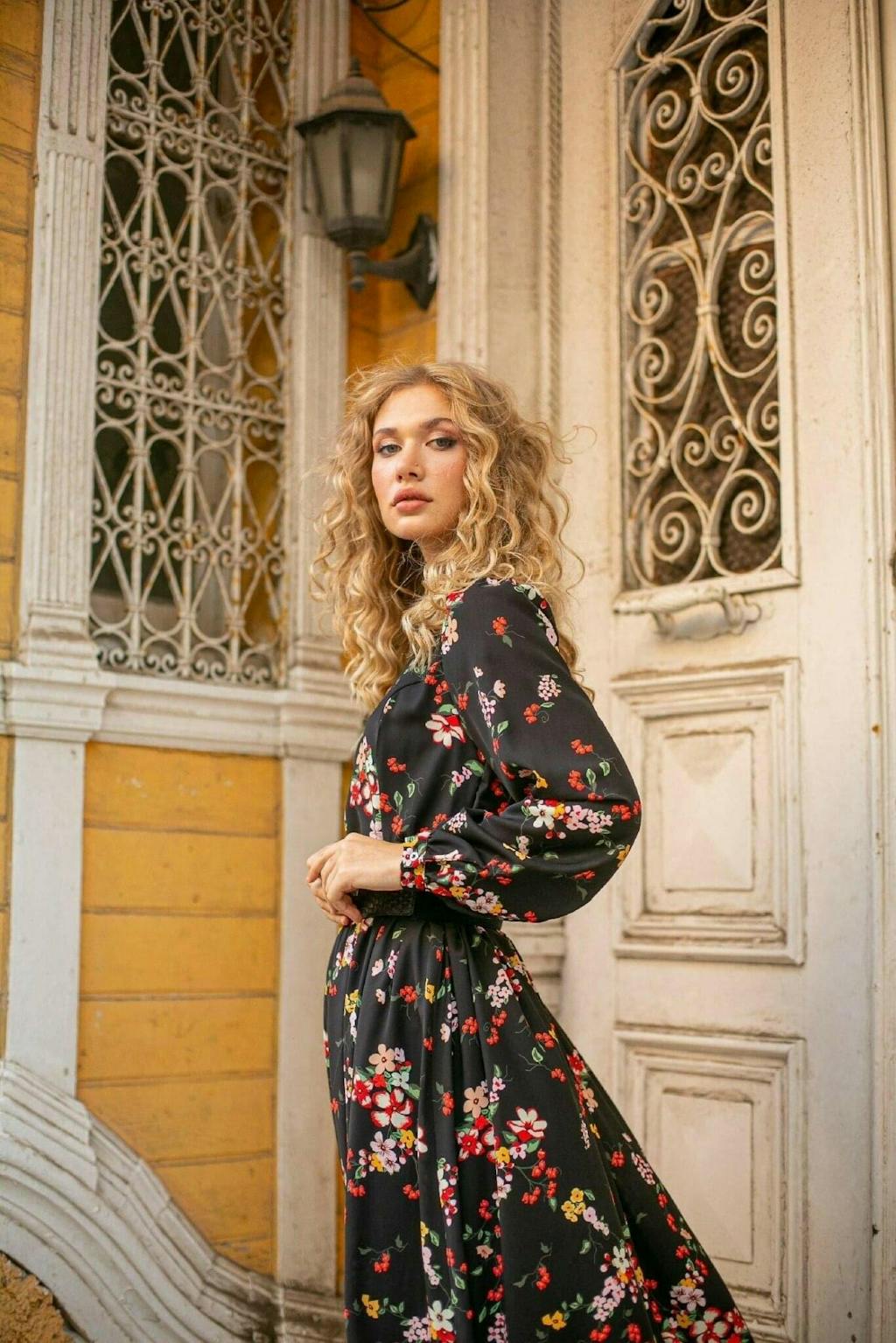
Guest Post

5 Proven Tips to Boost Your Confidence While Shopping Online - Glamourous Grace

Guest Post

5 Proven Tips to Boost Your Confidence While Shopping Online

By Baano.Feb 06, 2026
Understanding the Importance of Confidence in Online Shopping When I shop online, having confidence is essential, especially when navigating the endless options available. Without it, I can find myself second-guessing my choices, unsure about sizing, quality, or even the legitimacy of a store. Building confidence helps me make informed decisions, avoid unnecessary worries, and ultimately enjoy the convenience of online shopping. One of the major aspects I focus on is thoroughly reviewing FAQs and customer reviews. These two sources are my go-to for gauging a product's quality and a store's reliability. Detailed reviews help me assess real user experiences, while FAQ sections answer many practical questions, reducing uncertainty. I always consult the size chart before purchasing clothing to avoid sizing mishaps. It’s surprising how this small step can make me more confident. Integrated tools like a size guide adapt to various brands, ensuring the fit aligns with my expectations. I often rely on features such as a wishlist to save items for later, letting me take time to decide, compare, and revisit options. Services like order tracking ensure transparency, giving me peace of mind about when to expect my purchases. Participating in store incentives such as a referral program or the ByBaanos Rewards Program enhances my online shopping confidence. These programs offer perks that add value and reassurance that I’m engaging with a trustworthy platform. Learning how to organize a wardrobe with style and exploring tips like those shared in The Ultimate Capsule Wardrobe Guide simplify my shopping further. Articles like "How to Be a Modest Woman in Today’s Society" broaden my perspective, helping me connect online purchases with personal values. Research and Compare Before Making a Purchase When shopping online, I find that the best approach is to start with thorough research. Exploring product reviews from other customers is crucial in understanding the quality and functionality of an item. Customer reviews frequently provide insights into aspects I wouldn’t catch just from reading product descriptions. Whenever possible, I prioritize websites offering detailed reviews, FAQs, or referral programs—for example, platforms like "Bybaanos Rewards Program" that incentivize my purchases while helping me gauge the trustworthiness of a retailer. Another essential step I take is comparing prices. Online shopping platforms often feature similar products across various sellers, and taking time to compare pricing not only saves money but ensures that I achieve maximum value. In scenarios where discounts or rewards are tied to loyalty programs, it’s worth looking into. I also factor in shipping charges and delivery times so I can efficiently track orders across different vendors. To ensure I make informed decisions, I like organizing my purchase plans beforehand. For instance, curating a wishlist is an effective way for me to keep track of items I’m considering without impulsively buying them. While browsing, I carefully consult a size chart, particularly for clothing items, as sizes can vary drastically between brands. Access to guides such as "The Ultimate Guide to Creating a Capsule Wardrobe" or "The Ultimate Wardrobe Closet Guide" helps me develop a clear picture of how to integrate new purchases into my lifestyle. If the purchase relates to personal values—like modest fashion—I sometimes rely on articles or resources, such as "How to Be a Modest Woman in Today’s Society," to affirm my choices. Transitioning into an organized fashion mindset often simplifies purchasing decisions, while simultaneously enabling me to discover products that align with both practicality and personal style. Read Reviews and Customer Feedback Carefully When shopping online, I prioritize checking reviews and customer feedback before making a purchase. These insights are invaluable for gauging product quality, fit, and reliability. I often begin by searching for reviews directly on the retailer’s website. Most platforms, like Bybaanos, include a section for verified customer opinions, helping me make informed decisions about everything from wardrobe choices to organizational tools like a new closet featured in "Organize Your Space With Style: The Ultimate Wardrobe Closet Guide." I always pay attention to detailed reviews. For instance, when I'm researching wardrobe essentials inspired by “The Ultimate Guide to Creating a Capsule Wardrobe: Simplify Your Style,” reviews mentioning material quality or durability help me narrow down my options. Some customers also provide insights about fit, and I cross-check these details with the available size chart to avoid unnecessary returns. Additionally, I look for photos uploaded by buyers to get a realistic view of the products. To ensure I’m considering a balanced perspective, I deliberately look into negative reviews or feedback. While no product is entirely perfect, consistent complaints about critical features—like stitching flaws or poor customer service—serve as red flags. On sites offering a rewards program like Bybaanos Rewards Program New, customers often share whether they found points or offers valuable in relation to the overall shopping experience. Beyond the website, I sometimes rely on third-party review platforms or forums discussing modest fashion topics, as these can provide more candid opinions. If items are part of my wishlist, I bookmark them but hold off purchasing until I’ve explored reviews thoroughly. Feedback also influences my decision when using referral discounts or tracking orders for items bought at a recommendation. To shop with confidence, I make it a habit to leverage customer feedback as a guide, especially for categories like "How to Be a Modest Woman in Today’s Society." Verify Seller Credibility and Website Security When I shop online, verifying the seller’s credibility is my first line of defense. I look for reviews on the website or product pages, as these often reflect the experiences of other customers. If I can’t find reviews there, I check third-party review platforms to cross-check claims. Plus, I watch out for red flags like overly generic or poorly written testimonials that might be fake. To determine the reliability of an online store, I make use of their FAQ section. It’s a goldmine of information, especially when it details policies on refunds, exchanges, and payments. I also take a look at whether they provide resources like a size chart, particularly for clothing retailers, to reduce the risk of ordering items that don’t fit. Trustworthy sellers often have features that enhance customer engagement, such as a bybaanos rewards program, wishlist, or even tracking tools to track orders. Aside from evaluating seller credibility, I always make website security my priority. I check whether the URL of the site begins with “https://,” as the “s” signifies encryption, safeguarding my payment and personal data. A trustworthy site often carries third-party security seals, such as Norton or McAfee. But I don't just rely on visual elements—I click on these seals to ensure they lead to authentic verification pages. Finally, I avoid stores that don’t have clear contact information or require creating an account for checkout. Credible sellers should make it easy for customers to ask questions, address complaints directly, or even utilize a referral program. These touches signal a legitimate and customer-focused business. Utilize Tools to Track Price History and Discounts Shopping online offers a convenient way to explore countless options, but I’ve found that to truly make smart buying decisions, it’s essential to use tools that track price history and discounts. These tools empower me to distinguish between a genuine sale and inflated discounts, helping me save money while boosting my confidence during my shopping journey. Whether I’m browsing for the perfect closet piece from The Ultimate Wardrobe Closet Guide or sourcing modest fashion tips inspired by How to Be a Modest Woman in Today’s Society, price tracking tools are invaluable allies. When I shop, I pay attention to features that provide transparency. Platforms often allow me to add items to a wishlist and notify me when prices drop. Apps or browser extensions designed specifically to analyze price fluctuations can show me the product’s price changes over time. This avoids situations where a so-called discount is misleading. For purchases like wardrobe staples I’ve discovered through The Ultimate Guide to Creating a Capsule Wardrobe: Simplify Your Style, these tools reassure me that I’m investing wisely. Some platforms also have built-in programs like the Bybaanos Rewards Program, which makes shopping even more rewarding. I check if points earned can be redeemed for discounts or cashback. When shopping for items with uncertain sizing, I cross-check the size chart to ensure fit while simultaneously tracking possible price updates. To organize my shopping, I always use features like “track order” to monitor delivery timelines, further enhancing my experience. Additionally, browsing reviews plays a pivotal role alongside pricing research. For instance, when referencing items shared by friends through a referral, I ensure the product matches quality standards and is reasonably priced by consulting price tracking tools. These methods not only help me stay within budget but also allow me to shop without hesitation. Combining tools and strategies assures me that I’m making well-informed choices while shopping online. Learn About Returns, Refunds, and Warranty Policies When I shop online, understanding the returns, refunds, and warranty policies is non-negotiable. Exploring the FAQ section is one of the first things I do. It often outlines the retailer’s stance on these matters, saving me from potential inconveniences later. I also skim through reviews to see if other customers have encountered issues and how those were resolved. This gives me insights into a brand’s reliability. If I’m adding items to my wishlist, knowing my rights helps me feel more confident about following through on the purchase. I always ensure to check if the store provides a clear size chart for clothing items. Misjudging size can make returns inevitable. When it comes to high-ticket items, any mention of warranty coverage catches my attention. I’ve noticed that trustworthy shops provide detailed information about repairs, replacements, or refunds for faulty goods. Additionally, I keep an eye out for perks like the Bybaanos Rewards Program or a referral discount. These services sometimes come with exclusive return benefits, such as extended periods to send back items or free shipping on returns. Some platforms also allow me to track orders, which is invaluable when awaiting a return label or exchange shipment. If I’m juggling purchases for multiple people, staying organized in my space is crucial. Using wardrobe planning strategies from “Organize Your Space with Style: The Ultimate Wardrobe Closet Guide” improves efficiency. Finally, simplicity matters. Drawing inspiration from wardrobe-focused resources, such as “The Ultimate Guide to Creating a Capsule Wardrobe: Simplify Your Style,” helps me value quality over quantity, reducing the need for returns altogether. This is especially important if I aspire to shop consciously, aligning with values like those discussed in “How to Be a Modest Woman in Today’s Society.” Know Your Rights as an Online Shopper When I shop online, I always make sure I’m informed about my rights as a consumer. Knowing the details of my online shopping rights gives me the confidence to finalize purchases, track orders, or even handle issues like returns. Here’s what I’ve learned about protecting myself while shopping online: Refund and Return Policies Before making a purchase, I check the store's FAQs and refund policies. Retailers are required to let me know upfront if a product is non-refundable. This works hand-in-hand with reviewing the size chart carefully because if the item doesn’t fit, I want to know whether I can return or exchange it. Consumer Protection Laws Depending on where I live, consumer rights may vary, but I typically have protections that require sellers to provide accurate product descriptions. Reading product reviews, especially verified ones, is an essential part of ensuring the product matches what the seller advertises. Secure Payment Options It’s my responsibility to ensure the website I’m buying from uses encrypted payment systems. When I see indicators like “https” in the URL or logos of trusted payment platforms, I gain clarity that my payment information will be secure. Data Privacy I check what kind of personal data the store collects and how it’s used. Many sites incentivize me to join programs like Bybaanos Rewards Program or use referral codes, but I make sure the privacy policy protects my info. Right to Cancel an Order Some platforms let me cancel an order immediately if I change my mind. Others offer a brief window to modify or remove items from my cart or wishlist before the shipping process begins. Staying vigilant allows me to enjoy the convenience of online shopping without compromising my rights or security. Use Secure Payment Methods for Transactions When it comes to shopping online, I prioritize security, particularly when entering sensitive payment information. Choosing safe and verified payment methods is essential for protecting my financial information. Whether browsing items through reviews or organizing my wishlist, I make sure I'm not letting my enthusiasm for online deals compromise my safety. Platforms often offer payment options ranging from debit or credit cards to digital wallets, but not all of them ensure the same level of protection. Whenever I check out items from my wishlist or explore new deals through programs like Bybaanos Rewards Program, I ensure the website supports encryption. Secure payment gateways are non-negotiable when it comes to keeping my transactions safe. I rely on clues such as the presence of HTTPS in the website’s URL or security certifications that guarantee the retailer collects and processes payment data securely. It’s imperative to steer clear of websites that fail to meet these standards. If I'm buying apparel and checking the size chart or exploring referrals for discounts, it’s helpful to seek FAQs and reviews on their payment policies. Knowing how refunds or disputes are managed gives me extra peace of mind. Sometimes, online shopping includes larger purchases, like wardrobe setups inspired by guides such as Organize Your Space with Style: The Ultimate Wardrobe Closet Guide or The Ultimate Guide to Creating a Capsule Wardrobe. For such transactions, I prefer payment systems that include buyer protection, such as PayPal or other digital wallets, as they can assist me in dispute resolution if needed. In today's online shopping ecosystem, where staying modest, cautious, and informed is critical—such as noted in How to Be a Modest Woman in Today’s Society—I pay extra attention to secure payment practices. By saving receipts and always tracking orders through trusted systems, I can feel more confident about the transaction process. Above all, I never allow impulsive purchases to override careful evaluation, ensuring each click is backed by a secure payment method. Set a Budget and Stick to It When I shop online, setting a budget helps me feel more confident about my choices and prevents unnecessary financial stress. By clearly defining a spending limit before browsing, I not only avoid impulsive purchases but also ensure that I focus on items I genuinely need, whether they’re wardrobe essentials, products for living modestly, or tools to organize my space with style, such as in The Ultimate Wardrobe Closet Guide. To begin, I make a list of items I plan to buy and estimate how much each product would reasonably cost. For example, if I’m adding high-quality basics for a capsule wardrobe — like in The Ultimate Guide to Creating a Capsule Wardrobe: Simplify Your Style — I check prices and compare options beforehand. I often consult reviews or FAQs of products to make informed decisions about the value and durability of the items. To streamline the process, I utilize tools available on the shopping site itself. Features such as a wishlist allow me to save items I’m considering buying in the future. Programs like Bybaanos Rewards Program or referral incentives can stretch my budget further, offering valuable discounts or points on purchases. These perks empower me to optimize spending without compromising on quality. Once my budget is set, sticking to it is equally important. I resist the temptation of promotions and limited-time offers that don’t align with my list or needs. If the site I’m shopping on offers a size chart, I double-check to avoid ordering the wrong size, which could result in additional returns or exchanges. Tracking my order progress helps ensure transparency and accountability, further boosting confidence throughout the shopping journey. By keeping my spending aligned with a clear plan, I reduce stress and focus on items that contribute to my personal goals, such as dressing modestly or simplifying my wardrobe. Timely preparation, thoughtful decision-making, and using available online tools ultimately enhance my shopping experience—the confidence boost is simply the icing on the cake! Practice Mindful Shopping: Avoid Impulse Buying When I shop online, I know the process can often spark a whirlwind of excitement. With tempting promotions, trending products, and enticing "limited-time offers," it's incredibly easy to get swept away in a buying spree. To stay grounded, I make it a priority to practice mindful shopping, ensuring that I avoid unnecessary impulse purchases. I start by identifying my needs and wants before browsing. By creating a wishlist, I can clearly visualize what I genuinely require. This not only helps me weigh my priorities but also aligns my spending with long-term goals, like organizing my space with style using the ultimate wardrobe closet guide or building a capsule wardrobe to simplify my style. To further curb impulse buying, I always consult reviews. Knowing what other shoppers think about a product arms me with reliable insights, preventing emotional or hasty decisions. Additionally, I double-check product details like the size chart to ensure I’m choosing the right fit. Whenever I feel the urge to click "Add to Cart" impulsively, I pause and question myself: “Do I truly need this item, or am I simply caught up in the thrill of shopping?” If it’s the latter, I delay the purchase and revisit the product later. This method often highlights whether the item in question is an essential or an impulsive whim. I also transfer my focus to finding value elsewhere. Whether earning bybaanos rewards program points, sending referrals to a friend, or tracking an order I’ve already placed, I channel my shopping energy effectively. These actions remind me of the joy and practicality of thoughtful purchases, rather than succumbing to the fleeting appeal of unnecessary items.
The Ultimate Guide to Buying Clothes on Amazon Like a Pro - Glamourous Grace

Guest Post

The Ultimate Guide to Buying Clothes on Amazon Like a Pro

By Baano.Feb 06, 2026
Introduction to Shopping for Clothes on Amazon When I first ventured into buying clothes on Amazon, the options felt overwhelming. With thousands of sellers and countless styles, navigating the platform requires a bit of strategy. It isn’t just about clicking “Add to Cart”; it’s about finding the best combinations of quality, size, and style to fit your needs. From essentials like denim shirt and pants two-piece sets with rhinestones design to statement pieces like the Parnihan Premium Cachet Trench Coat, Amazon offers something for every fashion taste. One thing I’ve realized is how Amazon caters to various personal style goals. Whether you aim to simplify your look by following the principles of the ultimate guide to creating a capsule wardrobe or want to keep your space functional with the ultimate wardrobe closet guide, there are resources at your fingertips. Amazon serves everyone, from those looking to embrace minimalism to fashion-forward shoppers unveiling the latest trends. The best part of shopping on Amazon is the diversity. For modest fashion lovers, options like the Molly Full-Length Trench Coat or Haifa Long Maxi Dress in nine solid colors redefine elegance and versatility. For more specific tastes, designs like the Alexia Vintage Baroque Self-Belted Maxi or the Alia Burkini Premium Design Full Set cater to those seeking unique selections. Amazon also simplifies decision-making with reviews and even “Customer Questions and Answers” sections. Whether you want to step into elegance with the Lara Long Sleeve Floral Maxi Dress or find a utility piece with versatility, there’s guidance available to ensure every purchase feels informed and worthwhile. With careful searching and a clear idea of personal style, Amazon quickly transforms into a reliable way to rebuild or enhance your wardrobe. Benefits of Buying Clothes on Amazon Shopping for clothes on Amazon completely shifts how I manage my wardrobe. As someone looking to simplify my style while keeping it trendy, Amazon offers both variety and convenience. Whether I’m curating pieces for a capsule wardrobe, exploring wardrobe closet guides, or organizing my space with style, Amazon always surprises me with its expansive inventory and helpful features. Wide Variety of Styles Amazon allows me to stay fashion-forward by unveiling the latest trends and styles in its collection. From the elegance of the Haifa long maxi dress available in nine solid colors to the vintage charm of the Alexia Vintage Baroque Self-Belted Maxi, every fashion need is fulfilled. I also discover modest fashion staples like The Molly Full-Length Trench Coat and the Parnihan Premium Cachet Trench Coat, making it easy to dress with versatility and class. Affordable Choices and Deals One of the major upsides of shopping for clothes on Amazon is finding deals that fit my budget. I can often snag premium pieces like the Alia Burkini Premium Design Full Set or Step into Elegance with the Lara Long Sleeve Floral Maxi Dress for considerably lower prices compared to retail stores. Discounts, lightning deals, and seasonal offers make shopping even smarter. Convenience and Accessibility The convenience of browsing endless options is unbeatable. Whether it’s denim shirts paired with rhinestone-design pants or a trench coat that redefines elegance, I can shop anytime, anywhere. Features like user reviews and product ratings make decision-making easier by offering honest feedback on quality and fit. Versatile Sizing Options Amazon caters to diverse body types with an inclusive array of size options. I appreciate how easy it is to find flattering fits across casual staples, formal attire, or outerwear options. Fast and Reliable Delivery Services With Prime shipping, I enjoy fast delivery on many clothing items, saving me time for events or last-minute wardrobe emergencies. No need to visit crowded malls when my order arrives right at my doorstep! Choices like the Denim Shirt and Pants Two-Piece with Rhinestones Design show me Amazon’s flexibility in offering everything, from daily wear to curated statement outfits. For anyone aiming to organize their space with style, Amazon transforms not just closets but shopping experiences themselves. Understanding Amazon Clothing Categories and Filters When I shop for clothes on Amazon, the wide range of categories and filters is one of the first things I tap into to help narrow my options. Amazon organizes items into straightforward categories like “Women’s,” “Men’s,” “Kids’,” and “Baby,” so it’s easy to specify who I’m shopping for. Beyond these basics, there are subcategories like dresses, tops, jeans, outerwear, and more. This makes shopping feel like I have my own digital closet, echoing themes from "The Ultimate Guide to Creating a Capsule Wardrobe Simplify Your Style" and "The Ultimate Wardrobe Closet Guide." I’ve also noticed some unique fashion-forward options that allow me to browse for specific trending items. For instance, Amazon features standout pieces such as the "Alexia Vintage Baroque Self-belted Maxi," "Haifa Long Maxi Dress in Nine Solid Colors," or even modest clothing like "The Molly Full-Length Trench Coat" or "The Parnihan Premium Cachet Trench Coat." Whether I need streamlined staples or want to explore the latest styles like a "Denim Shirt and Pants Two Piece with Rhinestones Design," Amazon is packed with diverse options. Filters are where I really fine-tune my search. I can set preferences for size, color, material, and even specific patterns like floral designs to find options aligning with my sense of style. For example, when I want effortless elegance, I can easily sort through dresses and spot items like “Step into Elegance with the Lara Long Sleeve Floral Maxi Dress.” Additionally, filters like price range, seller ratings, and shipping speed are indispensable when I'm searching for deals or last-minute fits. Amazon even accommodates specific lifestyles and occasions. I’ve explored tailored picks like "Alia Burkini Premium Design Full Set" for beach outings or maxi dresses ideal for formal events. By using strategic filters and categories, I organize my space with style and save time locating exactly what I need. How to Identify Quality Clothing from Product Listings When browsing Amazon for clothing, I take the time to carefully examine each product listing, as this is where I can uncover the clues that determine quality. Starting with the provided photos, I always zoom in on images to closely observe fabric textures, stitching, and details that can indicate durability and craftsmanship. For example, if I’m considering pieces like the Molly Full-Length Trench Coat or the Parnihan Premium Cachet Trench Coat, I check for clean, reinforced seams, as these signal long-lasting wear. Next, I focus on reading the product descriptions thoroughly. Many listings, especially those for items like the Denim Shirt and Pants Two-Piece with Rhinestones Design or the Haifa Long Maxi Dress, will list fabric compositions. Natural fibers like cotton or linen, blended with synthetic fibers like polyester for durability, tend to indicate a higher-quality garment. I avoid listings with generic materials mentioned, as these often lack sufficient detail. Customer reviews are essential in my process. I pay attention to ratings but, more importantly, dive into detailed reviews. Buyers often mention the feel of the fabric, how the garment fits (such as with the Lara Long Sleeve Floral Maxi Dress), or whether a piece matches the description. Any consistent negative feedback about stitching unraveling, thin fabric, or uncomfortable wear warns me to reconsider. Size charts are equally crucial for quality assurance. I check if precise measurements are provided in addition to generic “S/M/L” sizing. Listings such as Alexia Vintage Baroque Self-belted Maxi or Alia Burkini Premium Design Full Set with comprehensive size guides often reflect a brand’s attention to detail, demonstrating their commitment to customer satisfaction. Finally, I evaluate brand reputation. In modest fashion, designs like the Molly Trench Coat or Step into Elegance with the Lara Maxi Dress often come from sellers that emphasize durability, functionality, and timeless style. I ensure their credibility by researching the seller’s history and other garments they’ve created, which helps me select items that align with being fashion-forward while organizing my space with style. Tips for Reading Reviews and Ratings Effectively When I shop for clothes on Amazon, I rely heavily on reviews and ratings to guide my decisions. To make informed choices, I’ve developed a methodical approach to reading them. Here's what I focus on: Start with the Overall Rating I first glance at the average star rating, but I don’t stop there. A high rating is important, yet it’s not always a guarantee. I cross-check this with the number of reviews. A product like the Molly full-length trench coat redefines elegance and versatility in modest fashion, but seeing a 4.7-star rating from 500 reviewers holds more weight than the same rating from 10 people. Skim Recent Reviews Trends change quickly, so I prioritize reviews from the past few months. A dress like the Haifa long maxi dress in nine solid colors might change in quality or style based on recent batches or new versions. Look for Specific Feedback on Fit and Fabric Reviews describing real-life experiences are invaluable. If someone notes that the Alexia vintage baroque self-belted maxi runs small, or the fabric of the Parnihan premium cachet trench coat feels heavy, I am better prepared to make a choice. I pay extra attention to sizes, especially if I’m eyeing fitted pieces like a denim shirt and pants two-piece with rhinestones design. Prioritize Reviews with Photos Visual proof makes all the difference. Photos help me understand the product’s true color and fit. They can clarify how the Lara long sleeve floral maxi dress or Alia burkini premium design full set fits on different body types. Focus on Verified Purchases I trust reviews labeled as “Verified Purchase” since they come from users who actually bought the item. This helps me avoid reviews that are inauthentic or overly promotional. Filter for Critical Reviews The lowest-rated reviews often point out flaws. If multiple people mention shrinking after washing or fading colors, I avoid the product. Even the most fashion-forward unveiling the latest trends and styles shouldn’t come with major risks like these. By analyzing these factors, I feel confident making a decision, whether I’m shopping for casual staples, like the Molly trench coat, or bold pieces like the Alexia vintage baroque self-belted maxi. Navigating Sizing Charts and Ensuring the Perfect Fit When shopping for clothes online, mastering sizing charts is crucial to avoiding unpleasant surprises. Whether I'm eyeing the Alexia Vintage Baroque Self-Belted Maxi or considering the Haifa Long Maxi Dress in Nine Solid Colors, ensuring the perfect fit makes the difference between a cherished wardrobe piece and a return headache. Amazon provides detailed sizing charts for most clothing items, but it often requires a few extra steps to personalize the fit. Step 1: Take Accurate Measurements I start by measuring myself using a soft measuring tape, focusing on my bust, waist, hips, and inseam depending on what I'm shopping for. For dresses like the Lara Long Sleeve Floral Maxi Dress, bust and waist measurements are key, while for sets like the Denim Shirt and Pants Two Piece with Rhinestones Design, I’ll also check arm length and hip circumference. Accuracy is essential, so I prefer doing this in fitted clothing or undergarments. Step 2: Compare with the Provided Chart Once I have my sizes, I closely compare my measurements to the provided sizing chart under the product description. These can differ significantly across brands. For example, the sizing for the Parnihan Premium Cachet Trench Coat might not match that of the Molly Full-Length Trench Coat. If information is missing, I check customer reviews for guidance, as these often highlight if the item runs small, large, or fits true to size. Step 3: Look for Fit Descriptions Descriptions like "relaxed fit," "form-fitting," or "tailored" give me an idea of how the clothing will sit. For items with specific fits, such as the Alia Burkini Premium Design Full Set, I inspect photos of real customers or seek product recommendations based on sizing filters. Words like “stretchable fabric” can also indicate leniency in fit. Step 4: Take Note of Fabric Fabric types can drastically affect fit. For structured pieces like the Molly Full-Length Trench Coat, sizes tend to be stricter than those made of flexible fabrics. Similarly, dresses with intricate detailing, such as baroque designs, often leave little room for adjustment. If the product is made from delicate fabric and I’m unsure how it drapes, I often order one size up. Step 5: Use Try Before You Buy I take advantage of Amazon’s Try Before You Buy program whenever possible. It lets me order items, such as the Step Into Elegance Lara Long Sleeve Floral Maxi Dress, try them on at home, and return anything that doesn't fit—all at no cost upfront. This minimizes guessing and ensures I don’t miss out on fashion-forward clothing, no matter how adventurous I get in exploring styles. Pro Tips for Success Consult Reviews: I always read reviews for insights on fit and fabric quality. Look for Photos: I trust customer photos to see the real-life fit of items like the Alexia Vintage Baroque Self-Belted Maxi. Check Return Policies: Before committing, I ensure the item is returnable—especially for timeless garments like the Haifa Long Maxi Dress. By following these steps, I navigate Amazon's clothing selection with confidence, ensuring each piece complements both my style and my measurements. Smart Strategies for Finding Deals and Discounts When I shop for clothing on Amazon, I always try to take advantage of deals and discounts, especially when browsing staple pieces like those highlighted in The Ultimate Guide to Creating a Capsule Wardrobe. From versatile basics like denim shirts and pants to statement pieces like the Haifa Long Maxi Dress or Alexia Vintage Baroque Selfbelted Maxi, finding the best price elevates the shopping experience. Here’s how I maximize savings: 1. Utilize Filters and Categories for Discounts I start by exploring Amazon’s filters to find items marked as discounted. The “Deals & Promotions” section is my go-to. Using this feature, I can pinpoint fashionable pieces like the Lara Long Sleeve Floral Maxi Dress or Molly Full Length Trench Coat for less. Sorting by price or discount percentage helps me zero in on clothing options that match both my style and my budget. 2. Follow Timing Patterns for Seasonal Sales Amazon frequently runs seasonal sales, and I make it a habit to shop during these events. Events like Prime Day, Black Friday, and the back-to-school sales have helped me snag items like the Parnihan Premium Cachet Trench Coat or Alia Burkini Premium Design Full Set at steep discounts. I keep a wish list of items I love and monitor them as sales approach—it’s a smart way to stay prepared. 3. Buy Bundled Sets to Save More I check regularly for bundled offerings. For instance, two-piece sets like the Denim Shirt and Pants with Rhinestones Design often come with lower prices than buying each item separately. This works particularly well when building a capsule wardrobe or investing in timeless closet essentials. 4. Apply Amazon Coupons and Subscribe for Notifications I’ve learned to keep an eye out for Amazon’s digital coupons. They commonly appear on product pages for items like the Fashion Forward Unveiling the Latest Trends clothing lines I’ve browsed. Subscribing to notifications for specific brands also alerts me whenever discounts go live for items on my radar. 5. Leverage Promotions for Free Shipping Whenever the total value of my cart qualifies for free shipping, I ensure that amount includes closet staples or trendy items I’ve been eyeing. Combining pieces like the Molly Full Length Trench Coat or Haifa Long Maxi Dress in Nine Solid Colors helps me save on shipping fees, allowing those savings to go toward more purchases. By employing these strategies, I’ve transformed how I shop for clothes on Amazon, making elegant and trendy pieces more accessible without sacrificing my budget. Exploring Amazon's Return and Exchange Policies When buying clothes on Amazon, understanding their return and exchange policies is essential to make sure I’m confident in my purchases, whether it’s the Alexia Vintage Baroque Self-Belted Maxi or the Haifa Long Maxi Dress in Nine Solid Colors. One of the reasons I love shopping for fashion on Amazon is the flexibility it offers regarding returns for items that don’t meet expectations or sizing that isn’t quite right. Amazon’s clothing categories often feature items eligible for free returns, which takes the stress out of choosing trendy pieces like the Molly Full-Length Trench Coat that redefines modest fashion or the Denim Shirt and Pants Two-Piece with Rhinestones Design. When browsing, I always check for the “Free Returns” note displayed under the price—this small detail ensures I can try on my selection at home with minimal worry. I’ve even encountered items like the Lara Long Sleeve Floral Maxi Dress that allow returns or exchanges for up to 30 days after delivery. Amazon enables me to initiate returns quickly through my account. I simply go to the “Orders” section, find the item, and click “Return or Replace Items.” From there, the process is straightforward, and often I don’t even need to print a label since I can drop it off at selected locations or schedule a pickup from my space. For my wardrobe essentials—whether it’s bold choices like the Parnihan Premium Cachet Trench Coat or pieces from Alia Burkini Premium Design Full Set—this convenience is key to organizing my fashion journey. It’s important for me to read the seller’s return policies closely, especially for items from third-party brands that embody elegance, like the Step into Elegance Lara Maxi Dress. Occasionally, items may have specific conditions, like restocking fees or return time frames shorter than Amazon’s usual standards. Since I aim to create a versatile capsule wardrobe that simplifies my style, understanding return flexibility helps me shop carefully and avoid clutter in my closet. In cases where an exchange is needed—perhaps I selected the wrong size for the Haifa Long Maxi Dress or underestimated how the Molly Trench Coat would fit—Amazon usually streamlines the process. If the same item is available in a different size or color, the platform lets me make swaps without additional hassle. For wardrobe staples that accent modest fashion or fashion-forward trends, knowing exactly what to expect from Amazon’s exchange policies keeps me confident throughout the shopping experience. Amazon’s return policies are just another reason why I trust their marketplace to elevate my personal style, whether I’m exploring the ultimate wardrobe closet guide or simplifying fashion with elegant essentials. Understanding this aspect ensures I can step forward with my purchases and stay fashion-forward with ease. Top Clothing Brands to Look for on Amazon When I’m shopping for clothes on Amazon, I always prioritize finding top-quality brands that cater to a variety of styles and preferences. From timeless classics to fashion-forward trends, Amazon offers a vast selection that makes it easier for me to build the ultimate wardrobe. Whether you’re simplifying your style through capsule wardrobe essentials or exploring the latest trends and styles, these brands stand out for their designs, quality, and versatility. 1. Alexia Designs If I’m drawn to vintage-inspired pieces, Alexia Designs delivers beautifully crafted clothing like the Vintage Baroque Self-Belted Maxi Dress. This long, elegant style exudes sophistication, combining timeless charm with modern aesthetics. It’s ideal for events where stepping into elegance is the goal. 2. Alia Burkini For chic and modest swimwear, the Alia Burkini Premium Design Full Set is one brand I appreciate. It blends premium fabrics with refined detailing, allowing me to feel stylish and comfortable for days spent by the water. 3. Denim Couture When I’m looking to add some sparkle to everyday casuals, denim brands like Denim Shirt and Pants Two-Piece with Rhinestones Design are perfect. They offer an edgy twist on traditional denim, bringing glamour into laid-back outfits. 4. Haifa Clothing The Haifa Long Maxi Dress in nine solid colors is my go-to when I need versatile yet understated pieces. Its flowing silhouette makes it adaptable for everything—from a casual lunch to a formal evening invite. 5. Lara Designs Floral prints catch my eye often, and Lara Long Sleeve Floral Maxi Dress doesn’t disappoint. Its subtle elegance paired with delicate patterns ensures sophistication without overpowering my look. 6. Molly Trench Coats Trench coats are wardrobe staples for me, and The Molly Full-Length Trench Coat is a standout. It redefines elegance and suits modest fashion admirers while staying functional and timeless in design. 7. Parnihan Premium Every capsule wardrobe needs a quality trench coat, and The Parnihan Premium Cachet Trench Coat hits the mark. It integrates both luxurious textures and minimalist appeal—perfect for organizing my space with style. By focusing on these brands, I feel confident that my wardrobe remains well-rounded, versatile, and full of pieces worth investing in. Amazon's Subscription Services for Fashion Lovers When I first explored Amazon’s fashion section, I was struck by the convenience and variety offered, but what truly set it apart was the subscription services designed for those of us who love curated wardrobes. Whether you're building the ultimate guide to creating a capsule wardrobe or staying ahead with fashion forward unveiling the latest trends and styles, Amazon’s subscription services bring modern solutions to simplify shopping. One standout service is Prime Try Before You Buy. With this feature, I can select up to six fashion items—say, an alexia vintage baroque self-belted maxi, a haifa long maxi dress in nine solid colors, or even a denim shirt and pants two piece with rhinestones design—and try them on at home before committing to purchase. Shipping is free, and I only pay for the items I decide to keep. It’s ideal for someone like me who hates the hassle of in-store fitting rooms. Another subscription to consider for organizing your space and life is Personal Shopper by Prime Wardrobe. This service connects me with expert stylists who handpick clothes tailored to my taste. Looking to simplify your choices? They can find timeless pieces, like the molly full-length trench coat or the parnihan premium cachet trench coat, which redefines versatility and elegance in modest fashion. It’s great for building the ultimate wardrobe closet guide without the overwhelm. Recurring delivery is another useful feature for wardrobe essentials. I can set up subscriptions for basics like socks, tank tops, and activewear, ensuring I'm always stocked. For travelers like me, this is especially convenient when packing versatile staples, such as the alia burkini premium design full set. Amazon’s subscription services give me confidence to step into elegance. Whether I need a lara long sleeve floral maxi dress or prefer longevity in styling with curated pieces, it makes creating and maintaining a personal style effortless while keeping my wardrobe fresh. Must-Have Tools and Apps for a Seamless Shopping Experience When it comes to shopping for clothes on Amazon like a pro, having the right tools and apps transforms the journey into an enjoyable and efficient experience. I’ve come across several tools that simplify the search for capsule wardrobe essentials, such as the Haifa Long Maxi Dress, offered in nine stunning solid tones, and the Molly Full-Length Trench Coat, a masterpiece of versatility and elegance for modest fashion. Browser Extensions to Compare Prices I rely on extensions like Honey or CamelCamelCamel to find the best deals. These tools monitor price fluctuations, ensuring I grab a Denim Shirt and Pants Two-Piece with Rhinestones Design or an Alexia Vintage Baroque Belted Maxi at the lowest possible rate. Honey also applies discount codes at checkout, taking the stress away from manually searching for them. Mobile Shopping Apps for Personalized Recommendations Apps such as Amazon’s own shopping app or tools like ShopStyle allow me to stay fashion-forward by unveiling the latest trends and styles. For instance, the app can recommend a Lara Long Sleeve Floral Maxi Dress or Parnihan Premium Cachet Trench Coat based on my preferences and search history. Create wish lists, set alerts for price drops, and organize your space with stylish options curated just for you. Virtual Try-On and Size Guide Tools I find Amazon’s Virtual Try-On feature lifesaving when visualizing how certain clothes might look on me. Pair that with detailed size guide apps to ensure the Alia Burkini Premium Design Full Set or a formal item like a sleek Molly Trench Coat fits perfectly. This saves time by eliminating returns caused by sizing issues. Pinterest and Pinterest Lens Pinterest is my go-to for capsule wardrobe inspiration. A quick image search for terms like “simplify your style” or “ultimate wardrobe closet guide” highlights pieces perfectly suited for a cohesive wardrobe, like the Haifa Maxi or Lara Maxi. The Pinterest Lens tool even identifies similar items on Amazon when I spot something I love. Wishlist and Wardrobe-Organizing Apps Lastly, free tools like Closet+ and Stylebook let me organize new wardrobe additions with ease. I can upload items I purchase, such as the Molly Trench Coat, and visualize pairings for outfits. Keeping an organized digital closet ensures I can create effortless looks while staying on-trend. These tools empower me to shop smarter, create a personal style, and curate fashionable outfits without stress. Final Tips for Buying Clothes Like a Pro on Amazon When I shop for clothes on Amazon, there are a few strategies I always follow to ensure I make the best choices while staying organized and fashion-forward. These tips have helped me simplify my wardrobe and feel confident about my purchases, whether I’m exploring timeless capsule wardrobe pieces or diving into trendy statement outfits. Here's how I manage it. Read Reviews Thoroughly I never skip customer reviews. Reviews often include insights that help me assess the fit, quality, or even details about the garment that might not appear in the product description. If I’m considering something like the Alexia Vintage Baroque Self-Belted Maxi or the Haifa Long Maxi Dress in Nine Solid Colors, I pay close attention to sizing comments and user-uploaded photos. This way, I know what works and what doesn’t before I add it to my cart. Check Sizing Charts Amazon offers size charts for most apparel, but I always double-check them and compare them to my measurements. Some clothing items—like the Denim Shirt and Pants Two-Piece with Rhinestones Design or the Alia Burkini Premium Design Full Set—might run smaller or larger depending on their cut and fabric. Knowing my exact measurements helps me avoid unnecessary returns. Think Versatility I try to buy pieces that align with my lifestyle and wardrobe needs. Items like The Molly Full-Length Trench Coat or The Parnihan Premium Cachet Trench Coat are versatile staples that work for both casual and modest fashion looks. Meanwhile, dresses such as the Lara Long Sleeve Floral Maxi Dress allow me to step into elegance effortlessly while fitting multiple occasions. Compare Similar Items Amazon’s suggestion tool often shows alternatives that might match the style I’m looking for. When shopping for staples like coats or two-piece sets, I compare fabric quality, pricing, and reviews. This helps me decide whether I should go for something trendy or stick with classic and reliable options like pieces recommended in The Ultimate Wardrobe Closet Guide. Focus on Care Instructions As much as I love staying on-trend with pieces such as those from Fashion Forward: Unveiling the Latest Trends and Styles, I avoid anything with overly complicated care instructions. Simplifying my wardrobe also includes choosing items I can maintain easily. If an item needs frequent dry cleaning or special care, I reconsider unless it’s truly worth it. Save and Organize Finally, I always use Amazon’s lists and wish list tools to organize potential buys. This is particularly handy when I’m putting together stylish capsule wardrobe essentials or planning seasonal purchases. Before checking out, I review my saved items to confirm everything aligns with what I need. These steps are how I make sure my Amazon clothing purchases keep me fashion-forward, organized, and effortlessly chic every time.
Master the Art of Choosing the Right Fabric for Any Use - Glamourous Grace

Guest Post

Master the Art of Choosing the Right Fabric for Any Use

By Baano.Feb 06, 2026
Introduction to Fabric Selection When it comes to choosing the perfect fabric for any use, I find it essential to consider the purpose, style, and feel of the material. Fabric selection is the foundation of any garment or accessory, whether I’m assembling pieces for the ultimate guide to creating a timeless wardrobe or curating outfits from the ultimate guide to creating a capsule wardrobe to simplify your style. Each material speaks a unique language, impacting aesthetics, comfort, and longevity. For instance, when I’m looking for airy and breathable fabrics for summer staples like the Alice Bohemian Summer Dress (100% cotton), cotton feels like an obvious choice for its natural fibers and cool texture. Meanwhile, I'd turn to lightweight chiffon for the Kadija Long Sleeve Chiffon Draped Bodice Long Maxi Dress because of its flowing, elegant drape. Understanding the properties of fabrics like cotton, chiffon, or even plush glittering designs informs how I style and wear them. I also think about special occasions where fabrics play an even larger role in expressing elegance. For evening styles like the Al Mala All Glitter Finish Long Maxi Evening Gown with Long Sleeve, texture and sheen matter to me, elevating the sophistication of the look. When choosing modest attire, such as an abaya, I explore trends in Embrace Elegance with Our Ultimate Guide or lean into versatility with the luxurious Aaliyah Abaya with Side Design and Open Front. I always weigh diversity in colors. Pieces like the Haifa Long Maxi Dress in Nine Solid Colors make every shade a backdrop for creativity, while printed designs like the Malala Flower Garden Maxi Dress with Long Sleeves infuse fun and whimsy. Beyond aesthetics, practicality is key—fabric choice dictates wearability, such as lightweight chiffon for hijabs or heavier blends for well-structured abayas. Fabric selection, to me, is understanding the fabrics’ personalities and matching them to purpose and vision. Understanding Fabric Categories and Types When selecting fabric, I always begin by considering the category it falls under since every fabric serves a specific purpose. Broadly, fabrics are categorized into natural, synthetic, and blended types. Natural fabrics like cotton, silk, and wool offer breathability and comfort. For instance, the Alice Bohemian Summer Dress, 100% Cotton is a great example of soft, breathable fabric ideal for warm weather, making it a must-have in the ultimate guide to creating a timeless wardrobe. On the other hand, synthetic materials such as polyester and nylon are prized for durability and resistance to wrinkles, often found in modern evening wear. Blended fabrics combine the best features of both categories, balancing luxury and practicality. The feel, weight, and look play a significant role in determining suitability. For flowing, elegant outfits like the Kadija Long Sleeve Chiffon Draped Bodice Long Maxi Dress or the Haifa Long Maxi Dress in Nine Solid Colors, lightweight fabrics such as chiffon or georgette lend themselves well to graceful movement. Chiffon, in particular, often complements modest yet sophisticated designs found in hijab styles or The Luxurious Aaliyah Abaya with Side Design and Open Front. Heavier materials like velvet or satin suit more structured designs such as the Al Mala All-Glitter Finish Long Maxi Evening Gown with Long Sleeve, perfect for formal occasions. Prints and patterns add personality to garments. Floral designs, as seen in the Malala Flower Garden Maxi Dress with Long Sleeves, bring a fresh touch to summer wear. Meanwhile, solid-colored fabrics are essential for creating versatility in the ultimate guide to creating a capsule wardrobe simplify your style. Each choice greatly influences how fabrics mesh with abaya trends, helping me consistently embrace elegance with our ultimate guide. Key Factors to Consider When Choosing a Fabric When selecting the perfect fabric, I know it’s essential to take several factors into account to ensure a harmonious blend of form, function, and aesthetic appeal. Whether I’m curating the ultimate guide to creating a timeless wardrobe or embracing abaya trends with the luxurious Aaliyah Abaya, the fabric plays a pivotal role in achieving the desired outcome. Here are the key considerations I look into: 1. Purpose and Functionality The first thing I examine is how I intend to use the fabric. For an airy Alice Bohemian summer dress made of 100% cotton, I lean towards breathable and lightweight materials that ensure comfort during warmer months. Similarly, for evening gowns like the Al Mala Glitter Finish Maxi or Kadija Chiffon Draped Maxi, I opt for luxurious and elegant fabrics that complement formal settings. I always think about whether the fabric suits the outfit’s purpose—whether casual, formal, or active. 2. Seasonality I closely evaluate fabrics based on seasonal needs. When simplifying my style with the ultimate guide to creating a capsule wardrobe, I prioritize materials like wool and fleece for colder weather and chiffon or satin for summer pieces. Hijabs, for example, often require materials that balance modesty with comfort, which is why lighter fabrics like jersey or silk are ideal for warmer months. 3. Durability and Maintenance Another critical factor for me is how durable and easy to care for the fabric is. While curating versatile staples like the Haifa Maxi Dress available in nine solid colors, I look for materials that resist wear and withstand regular use. Cotton and polyblend fabrics are excellent for durability, whereas delicate ones like chiffon require extra care but are worth considering for their flowy aesthetic in pieces like the Malala Flower Garden Maxi Dress. 4. Style and Texture I also pay attention to the fabric’s appearance and feel when crafting outfits that embody timeless elegance. To embrace modern abaya trends, fabrics like crepe or satin offer an effortless drape for items such as the Kadija Long Sleeve Draped Maxi Dress. Textured fabrics like velvet evoke luxury, perfect for adding charm to evening or formal wear. 5. Climate Comfort How comfortable the fabric feels against the skin in different climates is crucial to me. For something breathable in summer, like the Alice Bohemian 100% cotton dress, I stick to natural fibers. When layering is needed in cold weather, blends or thicker fabrics like wool work best, ensuring practical use for seasonally changing wardrobes. 6. Cultural and Personal Preferences Cultural and individual choices are factors I never overlook. Hijabs or abayas often require fabrics that harmonize modesty with comfort. Details like side designs or open fronts on pieces like the luxurious Aaliyah Abaya lend uniqueness. Similarly, lighter, flowy designs in chiffon or glitter finish maxi evening gowns mirror cultural elegance and sophistication. Choosing the right fabric requires careful thought. By following these considerations, I make well-informed decisions that fit not only the garment’s purpose but also my lifestyle and aesthetic preferences. Natural vs. Synthetic Fabrics: Pros and Cons When I think about choosing the perfect fabric—whether I’m styling an Alice Bohemian Summer Dress 100% Cotton or curating pieces for *the ultimate guide to creating a capsule wardrobe simplify your style*—I often weigh the pros and cons of natural versus synthetic fabrics. Each fabric type has unique strengths and weaknesses depending on the occasion, comfort, and longevity I’m aiming for. Natural Fabrics: Pros Natural fabrics such as cotton, silk, and wool are my go-to for their breathability and softness. When I wear cotton dresses like the Haifa Long Maxi Dress in Nine Solid Colors, I feel cool and comfortable even on warm summer days. Wool, on the other hand, offers stellar insulation, making it ideal for winter wear. I also appreciate how eco-friendly natural fabrics can be; they're biodegradable and sustainable, especially when sourced responsibly. Their hypoallergenic nature is a standout feature, too, as they’re gentle on sensitive skin. Natural Fabrics: Cons However, I know natural fabrics come with some limitations. Cotton wrinkles easily, which can make maintaining garments like summer dresses a hassle. Natural fabrics are also prone to shrinking after washing—a factor I need to consider, especially for more fitted clothing. Additionally, these fabrics usually have a higher price point, particularly silk or luxury wool options. Synthetic Fabrics: Pros Synthetic fabrics like polyester, nylon, and spandex are prized for their durability and affordability. I find them essential when I need low-maintenance clothing such as the Kadija Long Sleeve Chiffon Draped Bodice Long Maxi Dress or even hijabs made from polyester blends. These fabrics resist wear and tear, making them ideal for active lifestyles or party dresses like the Al Mala All Glitter Finish Long Maxi Evening Gown With Long Sleeve. Synthetic Fabrics: Cons But I can’t ignore the downsides. Synthetic materials often lack breathability, leaving me feeling stuffy during prolonged wear. While many popular abaya trends embrace elegance with our ultimate guide, lower-quality synthetics can feel uncomfortable or look less luxurious compared to natural fibers. Another drawback is their environmental impact since synthetic fabrics take decades to decompose. Understanding these tradeoffs ensures I make thoughtful choices, whether I’m donning luxury like the Aaliyah Abaya with Side Design and Open Front or opting for a casual style in the Malala Flower Garden Maxi Dress with Long Sleeves. Knowing this balance is key to achieving functionality and elegance in any wardrobe. Exploring Weaves and Textures When it comes to choosing fabrics, the weave and texture significantly define the garment's character and practical use. As someone delving into the ultimate guide to creating a timeless wardrobe, I’ve noticed how fabric structures dictate drape, feel, and durability. Whether you're selecting Alice bohemian summer dress—100% cotton, or considering Kadija long sleeve chiffon draped bodice long maxi dress, the fabric's weave and texture play an essential role in its performance. Understanding Common Weaves I’ve learned that different weaves influence not only how the fabric feels but also its appearance and strength. For example: Plain Weave: This is the simplest, most durable type of weave, used in cotton, chiffon, and even luxurious items like the Aaliyah abaya with side design and open front. It’s versatile and beautifully suited to capsule wardrobes aiming to simplify your style. Twill Weave: Recognizable by its diagonal pattern, it’s suitable for thicker fabrics that offer structure; perfect for garments like Haifa long maxi dress in solid colors. Satin Weave: Known for its smooth and glossy surface, satin finds its home in elegant pieces such as Al Mala all glitter finish long maxi evening gown with long sleeve. Exploring Textures Texture is equally important, impacting both the aesthetic and the tactile experience of wearing an outfit. I’ve often leaned toward soft yet structured textures for everyday hijab styling. Here are some key texture considerations I regularly weigh: Smooth Fabrics: These, such as chiffon and satin, are favored in Kadija and Malala flower garden maxi dress with long sleeves due to their lightweight and luxurious touch. Textured Fabrics: Think of cotton, Jacquard, or the delicate sparkle seen in Al Mala evening gowns. They add depth while maintaining comfort. Blended Fibers: These combine natural and synthetic materials to provide enhanced performance and durability, ideal for versatile abayas that embrace elegance with our ultimate guide. I find that asking myself how the texture complements the garment’s intended purpose helps narrow choices. For summer events, I often gravitate toward airy cotton dresses like Alice bohemian summer dress. For formal evenings, structured satin like Al Mala makes all the difference. Blockquote "Texture and weave don’t just define how a fabric feels—they transform any outfit into a statement." Understanding these aspects has simplified my fabric selection process, whether I’m building a timeless wardrobe or selecting pieces for seasonal trends. Matching Fabric to Intended Use When I consider the fabric to match the purpose of an outfit, it’s all about balancing function and aesthetics. Beginning with casual wear, breathable and durable fabrics like 100% cotton are my go-to choices. For example, the Alice Bohemian Summer Dress made from 100% cotton not only provides comfort but also ensures style during summer. Cotton absorbs moisture effectively, making it a practical choice for warm climates and long wear. Formal occasions demand sophistication, and this starts with fabric selection. For instance, chiffon, as seen in the Kadija Long Sleeve Chiffon Draped Bodice Long Maxi Dress, delivers an airy, elegant look. Its soft, flowing nature enhances grace, making it ideal for evening soirees. Meanwhile, glitter and sequined fabrics, showcased in the Al Mala All Glitter Finish Long Maxi Evening Gown with Long Sleeve, offer a luxurious feel, perfect for gala events or ceremonies where a dramatic, eye-catching appearance is desired. When I think of fabrics for modest fashion, such as hijabs or abayas, lightweight and layered materials excel. The Luxurious Aaliyah Abaya with Side Design and Open Front exemplifies this balance, combining practicality with high-end fashion. For a more versatile option, dresses like the Haifa Long Maxi Dress in Nine Solid Colors ensure adaptability without sacrificing elegance. Floral patterns can elevate a feminine aesthetic, and the Malala Flower Garden Maxi Dress with Long Sleeves incorporates soft, flowy fabric, great for outdoor settings or daytime functions. Additionally, abaya trends stress materials that drape beautifully and feel comfortable, as seen in our ultimate guide to abaya trends—a resource that embraces elegance in every choice. Choosing the right fabric isn’t just functional; it simplifies wardrobe planning. Whether building with capsule wardrobe essentials or timeless wardrobe pieces, fabrics create the foundation for unforgettable outfits. Choosing Fabrics Based on Seasonality When considering fabrics for any purpose, I always start with the season in mind because it directly affects comfort and style. In summer, lightweight and breathable materials like 100% cotton are my go-to. For instance, a delicate piece like the Alice Bohemian Summer Dress 100% Cotton is perfect for staying cool while exuding elegance. Similarly, chiffon stands out as a summer favorite—its airy texture is not just practical but also versatile. A Kadija Long Sleeve Chiffon Draped Bodice Long Maxi Dress combines sophistication with seasonal functionality. In winter, warmth is the priority. Heavier and insulated fabrics, such as wool, flannel, or knits, are more appropriate. I also love reaching for long-sleeve options made with thicker material, which provide coverage and keep the cold at bay. Options like the Al Mala All Glitter Finish Long Maxi Evening Gown with Long Sleeves or the timeless Hijab styles in velvety fabrics blend comfort and seasonality seamlessly. For transitional seasons like spring and fall, I prefer fabrics that balance warmth and breathability. Satin and jersey knits are excellent for layering. In embracing elegance, The Luxurious Aaliyah Abaya with Side Design and Open Front or something like the Haifa Long Maxi Dress in Nine Solid Colors works wonderfully. These fabrics adapt to variable temperatures while enhancing your capsule wardrobe. When seasonal occasions arise, such as summer weddings or formal evening events in winter, specialty fabrics like glittery finishes or floral designs, exemplified by the Malala Flower Garden Maxi Dress with Long Sleeves, elevate your attire. Choosing season-appropriate fabrics not only simplifies your style but also helps create a timeless wardrobe. In essence, fabric choice tied to seasonality lets me balance utility with trends, ensuring both comfort and a polished look year-round. Tips for Identifying Quality Fabrics When mastering the art of fabric selection, as emphasized in guides like the ultimate guide to creating a timeless wardrobe or the ultimate guide to creating a capsule wardrobe simplify your style, understanding the difference between premium and subpar materials is crucial. I pay attention to specific characteristics when shopping for fabrics to ensure they align with the requirements of versatile garments like the alice bohemian summer dress 100 cotton, kadija long sleeve chiffon draped bodice long maxi dress, or an elegant al mala all glitter finish long maxi evening gown with long sleeve. 1. Check Fabric Composition I always start by evaluating the material composition listed on the label. Natural fabrics like cotton, linen, silk, and wool are reliable for durability and breathability. For instance, the haifa long maxi dress in nine solid colors made with quality cotton or chiffon feels soft and comfortable. If synthetic fibers are present, I check their percentage to avoid overly cheap blends prone to wear. 2. Examine the Feel and Texture The way a fabric feels under my fingers speaks volumes about its quality. A luxurious item like the luxurious aaliyah abaya with side design and open front should feel smooth, without irregularities or harshness. Rough edges or uneven texture signal poor craftsmanship. 3. Inspect the Weave or Knit I closely observe the weave or knit for tightness and consistency. Loose, uneven patterns tend to snag or fray easily. When designed well, options such as the malala flower garden maxi dress with long sleeves demonstrate a refined weaving process, ensuring longevity. 4. Conduct a Stretch Test For fabrics with flexibility, such as those used in hijabs or abayas inspired by abaya trends embrace elegance with our ultimate guide, I lightly stretch the material to see if it bounces back. High-quality options retain their elasticity without distortion. 5. Assess Weight and Opacity I hold textiles against light to check for transparency and sturdiness. Gowns like the al mala all glitter finish long maxi evening gown with long sleeve often use layers to ensure appropriate opacity, signaling thoughtful design. 6. Smell and Sound Indicators I sometimes smell fabrics—natural fibers shouldn’t have chemical odors. Rustling sounds, especially with silk and chiffon, indicate freshness and quality, as seen in premium options like the kadija long sleeve chiffon draped bodice long maxi dress. By carefully evaluating these traits, I make confident choices in selecting fabrics for both timeless classics and statement pieces. Caring for Different Types of Fabrics When planning the ultimate guide to creating a timeless wardrobe, I’ve realized that fabric care plays a vital role in maintaining its longevity and appeal. Every textile demands specific attention for storage, washing, and ironing. Understanding these nuances ensures that your investment in pieces, such as the Alice Bohemian Summer Dress 100 Cotton or the Kadija Long Sleeve Chiffon Draped Bodice Long Maxi Dress, remains timeless. Cotton Cotton fabrics, like those in the Malala Flower Garden Maxi Dress with Long Sleeves, are generally easy to care for. I recommend washing cotton in cold or warm water to prevent shrinking. Air-drying is ideal, though these fabrics are dryer-friendly on low heat. Avoid high ironing temperatures, as it may scorch the fibers, though most cotton can handle moderate heat with ease. Chiffon Chiffon items, including the Haifa Long Maxi Dress in Nine Solid Colors, demand gentleness. Hand washing in cold water using a mild detergent works best. If I need to machine wash it, I always opt for a delicate cycle inside a mesh laundry bag. Avoid wringing or twisting chiffon, as it can damage its lightweight texture. Iron it on low heat if necessary, layering a thin towel between the iron and the fabric to avoid discoloration. Glitter Finishes For special occasion dresses, such as the Al Mala All Glitter Finish Long Maxi Evening Gown with Long Sleeves, I advise against machine washing. Spot cleaning or professional dry cleaning preserves the shimmer and intricate details. Try storing them in a garment bag to prevent glitter transfer onto other clothing in your wardrobe. Abayas Pieces like the Luxurious Aaliyah Abaya with Side Design and Open Front deserve extra care to sustain their elegance. Many abayas are crafted using delicate synthetic blends, necessitating hand-washing or low-temperature machine cycles. I suggest steam ironing to smooth wrinkles without damaging embellishments. Silk Silk hijabs and garments require specialized care. I use cool water and silk-approved detergents for washing, followed by gentle blot drying with a clean towel. Avoid exposure to sunlight while drying, as it can fade colors quickly. Iron silk on low heat to retain its luxurious character. Storage Tips Organized storage matters. Storing abaya trends or chiffon dresses separately prevents snagging or fading. Fold heavier textiles, while hanging lightweight pieces like the Kadija Long Sleeve Chiffon Draped Bodice Dress protects them from unnecessary creases. From everyday essentials to statement pieces like the Malala Flower Garden Maxi Dress with Long Sleeves, fabric care ensures that your capsule wardrobe stays fresh while allowing you to embrace elegance with our ultimate guide. Sustainable and Eco-Friendly Fabric Options When exploring sustainable and eco-friendly fabric options, I find it essential to consider not just the environmental footprint but also how these materials complement a timeless wardrobe. Whether you're piecing together the ultimate guide to creating a capsule wardrobe to simplify your style or selecting fabrics for a bespoke Alice Bohemian summer dress (100% cotton), understanding these textiles helps ensure that your choices are kind to both the planet and your aesthetic. 1. Organic Cotton Organic cotton is free from synthetic pesticides and fertilizers. It feels softer and safer against the skin, making it an ideal pick for summer staples like the Haifa long maxi dress in nine solid colors. Since it requires less water than conventional cotton and avoids harmful chemicals, I consider it a go-to fabric for breathable and eco-conscious wear. 2. Linen Linen is naturally sustainable and highly durable. It's crafted from flax plant fibers, requiring minimal water and pesticide use. I think linen’s minimalist texture pairs well with the luxurious Aaliyah abaya with side design and open front, offering both sophistication and eco-consciousness. 3. Hemp Hemp is among the most sustainable fibers, with its adaptability to various climates and minimal soil impact. As a high-performance fabric, I suggest hemp for lightweight dresses like the Kadija long sleeve chiffon draped bodice long maxi dress, providing both comfort and a clear conscience. 4. TENCEL™ TENCEL™, a brand for lyocell and modal fibers, is derived from responsibly sourced wood pulp. I value its silky texture for elegant options such as Al Mala all glitter finish long maxi evening gown with long sleeve, where luxury meets sustainability. 5. Recycled Fabrics Recycled polyester and nylon are made from post-consumer waste like plastic bottles or discarded garments. I believe these are great for creating durable hijabs or any item requiring elasticity and resilience without undermining environmental integrity. By selecting these fabrics, you're not only contributing to the planet but also aligning with the principles of elegance and simplicity seen in abaya trends: embrace elegance with our ultimate guide. How to Test and Inspect Fabrics Before Buying When I’m choosing fabric for a specific purpose, whether it’s for building the ultimate guide to creating a timeless wardrobe, simplifying my style with a capsule wardrobe, or finding pieces like the Alice Bohemian Summer Dress 100% Cotton, understanding the fabric quality is my top priority. Here's how I ensure I’m investing in the right textiles every time. Use the Touch Test Touch tells me a lot about fabric quality. I run my fingers over the material to feel its texture. Is it smooth, soft, or coarse? For breathable everyday options like cotton dresses or Haifa Long Maxi Dress in Nine Solid Colors, I look for softness and comfort. If I’m examining something luxurious, like the Luxurious Aaliyah Abaya with Side Design and Open Front, I expect smoothness and a refined finish consistent with its premium style. Examine Fabric Weight and Stretch Next, I assess the weight by holding a piece of the fabric. Lightweight fabrics work well for airy clothing like Malala Flower Garden Maxi Dress with Long Sleeves, while heavier ones suit structured outfits. To test for elasticity, I pull a small section gently. If I’m eyeing the Kadija Long Sleeve Chiffon Draped Bodice Long Maxi Dress, I check whether the fabric stretches back into place without leaving wrinkles or signs of wear. Look Through the Fabric Another trick involves holding the material up to the light. I want to evaluate its density and transparency. For modest styles such as Al Mala All Glitter Finish Long Maxi Evening Gown with Long Sleeve or hijabs, I avoid sheer fabrics unless they have purposeful lining. Inspect for Imperfections I go over the fabric surface closely, noting any flaws like snags, uneven weaves, or loose threads. While trends like Abaya Trends – Embrace Elegance with Our Ultimate Guide emphasize beauty and details, I want a flawless finish for fabrics representing elegance and craftsmanship. Smell the Fabric Sometimes, I take a moment to smell the material. Strong chemical odors could suggest heavy treatments or poor manufacturing processes. For pieces I use frequently, like those in my capsule wardrobe, I aim for more natural, untreated fabrics for longevity. By taking the time to test, touch, and inspect, I ensure the fabrics I choose live up to their purpose—whether it’s creating statement pieces or functional yet elegant wardrobe items. Common Mistakes to Avoid When Selecting Fabrics When I’m choosing fabrics for any purpose—whether it’s to build the ultimate guide to creating a timeless wardrobe, a versatile capsule collection, or to design a standout piece like the **Alice Bohemian Summer Dress (100% cotton)**—certain pitfalls can easily ruin the outcome. Here’s what I've noticed as common mistakes that you’ll want to steer clear of: 1. Ignoring Fabric Content I’ve learned the hard way that not all "polyester" fabrics feel or behave the same. It’s crucial to check fiber composition. For breathable and skin-friendly options, natural fibers like cotton or chiffon (as seen in the Kadija Long Sleeve Chiffon Draped Bodice Long Maxi Dress) are often better. Synthetic fabrics might work for formal wear like the dazzling Al Mala All-Glitter Finish Long Maxi Evening Gown, but comfort could be sacrificed if worn too long. 2. Overlooking Fabric Weight Fabric weight directly affects how the final garment drapes. I’ve found that lightweight chiffon works perfectly for layering pieces like the luxurious Aaliyah Abaya with Side Design and Open Front, while heavier knits lend structure to a maxi dress like the Haifa Long Maxi Dress in Nine Solid Colors. Choosing the wrong weight can make a garment look cheap or unflattering. 3. Not Considering Seasonality I always ensure my fabric matches the season. For summer ensembles, breathable cotton blends are ideal, like those used in Malala Flower Garden Maxi Dress with Long Sleeves. Velvet or heavy satin, though luxurious, can feel suffocating in warmer weather. I’ve made the mistake of picking the wrong seasonal fabric and regretted it later. 4. Disregarding Color Durability Some fabrics fade after a few washes, which is disheartening when you've invested in a favorite piece. While assembling my wardrobe staples, I prioritize color-fast materials—especially for darker abayas inspired by abaya trends like “Embrace Elegance with Our Ultimate Guide”. 5. Neglecting Care Requirements Fabric care often goes unnoticed, but I’ve realized its importance. Certain fabrics—such as the delicate chiffon in hijabs or glittered gowns—require hand washing or dry cleaning. I always think twice before buying high-maintenance fabrics if my lifestyle doesn’t allow it. 6. Being Unaware of Stretch and Recovery A dress in stretchy jersey knit might seem like the perfect fit at first, but if the fabric lacks recovery, it can sag over time. I always test the stretch factor for anything requiring mobility, especially with maxi dresses or form-fitted wear. By avoiding these missteps, I find it easier to craft timeless, purposeful collections that align with style, comfort, and practicality. Fabric choice can make or break my design vision—so I always take a moment to double-check these aspects. Expert Advice on Making Fabric Decisions When selecting fabrics, I always consider the end goal of the garment. A classic piece, such as the Alice Bohemian Summer Dress 100% Cotton, benefits from breathable, lightweight cotton to complement its relaxed silhouette. On the other hand, a piece like the Kadija Long Sleeve Chiffon Draped Bodice Long Maxi Dress calls for the fluidity and elegance of chiffon, which drapes beautifully to enhance a sophisticated look. If you’re working on a wardrobe inspired by the ultimate guide to creating a timeless wardrobe or the ultimate guide to creating a capsule wardrobe simplify your style, investing in durable, versatile fabrics is non-negotiable. Look for materials like wool, linen, and organic cotton. These not only wear well over time but also mix and match effortlessly. For eye-catching eveningwear like the Al Mala All Glitter Finish Long Maxi Evening Gown With Long Sleeve, opt for fabrics with shimmer or embellishments, such as sequins or metallic threads, to create a striking elegance. For cultural and modest options such as hijabs, the luxurious Aaliyah Abaya with Side Design and Open Front, or the Haifa Long Maxi Dress in Nine Solid Colors, lightweight but opaque fabrics like crepe chiffons, georgettes, or jersey knits are highly practical. They offer a blend of comfort, coverage, and movement, fitting seamlessly into abaya trends embrace elegance with our ultimate guide. Seasonality is another critical consideration I adhere to. Fabrics like wool and cashmere work best for cooler months, while lighter options like linen or cotton are perfect for summertime ensembles, such as the breezy Malala Flower Garden Maxi Dress with Long Sleeves. Delicate garments like this require durability without sacrificing softness, so I prioritize high-thread-count natural fabrics. Ultimately, the texture, weight, and purpose of the material shape every decision. Matching the right fabric to the right garment transforms each piece into a wearable masterpiece. Conclusion: Crafting Confidence in Fabric Selection When I approach fabric selection, I find that understanding the interplay between material composition, purpose, and design is key. From experiences like choosing breathable fabrics for an Alice Bohemian summer dress in 100% cotton, to selecting flowy and lightweight chiffon for the Kadija long sleeve chiffon draped bodice maxi dress, I’ve learned how fabric directly affects not only the aesthetics but also the functionality of an outfit. This awareness guides me in curating collections, like those found in capsule wardrobe guides, aimed at versatility and timelessness. For instance, lightweight chiffon or satin tends to enhance formal ensembles like the Al Mala glitter finish long maxi evening gown with long sleeves, perfect for elegant evening events. On the other hand, breathable fabrics such as cotton make summer-friendly attire not only stylish but also practical. I always factor in flexibility and movement as I evaluate fabrics, especially with options like the Haifa long maxi dress available in nine solid colors, designed for casual and professional settings alike. When it comes to specific cultural or modest fashion needs, I pay close attention to how different fabrics like jersey or crepe support the design and elegance of pieces such as the luxurious Aaliyah abaya with side design or Hijab-friendly styles. Pieces like the Malala flower garden maxi dress with long sleeves perfectly combine elegance with functionality, showcasing a fabric that flows beautifully without compromising modesty. Through this process, I’ve realized that fabric choice plays a foundational role in successfully achieving any desired look or purpose. Whether I’m referencing abaya trends to embrace elegance, exploring the ultimate guide to creating a timeless wardrobe, or simplifying my closet with the ultimate guide to creating a capsule wardrobe, these decisions are grounded in fabrics that inspire confidence, style, and practicality.
What is Hajj and Umrah? History, Meaning, and Essentials - Glamourous Grace

Guest Post

What is Hajj and Umrah? History, Meaning, and Essentials

By Baano.Feb 06, 2026
Introduction to Hajj and Umrah When I delve into the profound rituals of Islam, Hajj and Umrah stand out as sacred journeys that carry enormous religious significance. Both represent acts of devotion, but they differ in obligation, timing, and practice. While Hajj is one of the Five Pillars of Islam and mandatory for Muslim adults who meet certain criteria, Umrah is a supplementary pilgrimage that remains highly recommended but not obligatory. Understanding their significance requires a closer look at their spiritual, historical, and cultural contexts. What fascinates me most about these pilgrimages is how they encapsulate submission to Allah and unity among Muslims worldwide. Hajj, performed annually in Dhul-Hijjah, must be completed between the 8th and 12th days of the Islamic month. In contrast, Umrah, often referred to as the "lesser pilgrimage," can be carried out at any time of the year, offering more flexibility for those seeking to immerse themselves in spiritual growth. During both journeys, pilgrims perform key rituals such as donning the ihram. The ihram, much like the hijab or abaya, is not merely an outward garment but a profound symbol of humility, equality, and self-discipline. These rituals reflect deeper values that align with the significance of hijab and demonstrate how modesty and devotion intertwine in Islamic practice. Hajj and Umrah connect me, and others, to centuries of tradition. Their ongoing relevance can be likened to modern Islamic practices, such as embracing abaya trends and celebrating the hijab’s purpose, both of which emphasize faith and elegance. From the Tawaf around the Kaaba to the Sa’i between Safa and Marwah, every act echoes devotion and surrender to Allah, fostering a collective sense of humility and oneness. Historical Origins and Significance of Hajj When I reflect on the historical origins of Hajj, I find its depth both fascinating and profoundly instructive. As one of the Five Pillars of Islam, Hajj holds a place of immense spiritual and communal importance within the faith. Tracing its roots unveils a narrative intertwined with the lives of Prophets, sacred rituals, and the timeless teachings of Islam. The pilgrimage originates with the Prophet Ibrahim (Abraham) and his family. Ibrahim’s unwavering submission to the will of Allah commands both reverence and admiration. It begins with his rebuilding of the Kaaba alongside his son, Prophet Ismail (Ishmael), as a house of worship to Allah. During this time, Hajj rituals were established as acts of devotion, humility, and unity. These include the Tawaf, or the symbolic act of circumambulating the Kaaba, and the Sa’i, which commemorates Hagar's search for sustenance in the barren desert between the hills of Safa and Marwah. When learning about Hajj’s significance, I find its connection to the Day of Arafah particularly poignant. Arafah is where Prophet Muhammad, peace be upon him, delivered his Farewell Sermon, stressing the unity and equality of humanity. Hajj is also deeply symbolic of the submission and gratitude displayed in Ibrahim’s willingness to sacrifice his son as an act of obedience, a ritual that continues to be honored through Eid al-Adha. This pilgrimage represents far more than a physical journey; it encapsulates a spiritual transformation meant to bring Muslims closer to Allah. Reflecting on this history, I also see parallels with our daily practices, such as wearing the hijab or embracing abaya trends. These symbolize devotion, purpose, and identity, much like Hajj does for the global Muslim ummah. Historical Background and Development of Umrah When examining the practice of Umrah, I find it essential to trace its deeply rooted origins within the history of Islam and its spiritual significance. Umrah, often referred to as the "lesser pilgrimage," dates back to the era of Prophet Ibrahim (Abraham, peace be upon him), who is central to its ritualistic foundation. It was Ibrahim and his son, Prophet Ismail (Ishmael, peace be upon him), who built the Kaaba in Makkah, which serves as the focal point of both Hajj and Umrah. The concept of Umrah was later revived and formalized by Prophet Muhammad (peace be upon him), who emphasized its role as an act of devotion independent of the obligatory Hajj pilgrimage. The development of Umrah as a spiritual journey has evolved within Islamic teachings to provide believers with an opportunity to renew their faith and seek closeness to Allah. Unlike Hajj, which is performed during specific days in Dhul-Hijjah, Umrah can be undertaken at any time of the year, a characteristic that undoubtedly increases its accessibility. Key rituals, such as Ihram (a sacred state), Tawaf (circling the Kaaba), Sa’i (walking between Safa and Marwah), and shaving or cutting the hair, continue to reflect the profound history tied to the footsteps of Prophet Ibrahim and his family. Historically, Umrah provided an avenue for spiritual purification and unity, evident in its universal appeal among Muslims around the world. Pilgrims, while embracing their devotion, express a shared humility, much akin to the principles I associate with understanding the purpose of hijab. Just as hijab and abaya trends symbolize modesty and elegance, so, too, does Umrah demonstrate simplicity and submission to Allah. Transitioning through centuries of Islamic traditions, it remains a deeply symbolic and meaningful act of worship. Its historical significance stands as a testament to the faith, continuity, and resilience of the believers who strive to maintain this bond with their Creator. Throughout its evolution, Umrah has remained steadfast as an expression of spiritual unity that draws Muslims nearer to the core of their beliefs. The Spiritual Purpose and Importance of Hajj When I think about Hajj, it strikes me as an unparalleled journey of faith, one that transcends the physical rituals to deeply connect the soul with the Creator. Hajj is not merely a pilgrimage; it is a profound act of devotion and submission to Allah. From the moment I step into the sacred state of Ihram to the final rituals of Tawaf and Sa’ee, every step in the process reflects worship, humility, and a yearning to draw closer to the Divine. As Muslims, our lives are anchored in the concept of Tawheed, or monotheism. Hajj serves as the ultimate affirmation of this belief, where millions—dressed in simple white garments that erase distinctions of wealth, status, or nationality—gather to proclaim their unity and absolute faith in Allah. The very structure of the rituals, from standing at Arafat to performing Tawaf around the Kaaba, mirrors how I seek to center my life around divine purpose. One of the most humbling aspects of Hajj is its role in cleansing the soul. It provides a chance for every Muslim, including me, to seek forgiveness, purify the heart, and start anew. The act of physically retracing the steps of Prophets Ibrahim and Muhammad resonates with the timeless nature of faith and devotion. For me, it is a reminder of the trials faced by these noble figures and their unwavering trust in Allah. Furthermore, Hajj amplifies the sense of community. When I see Muslims from all walks of life gathered in one place, I feel a profound connection to the global ummah. This solidarity is a poignant reminder of equality, where superficial labels fade, leaving behind the essence of being a servant of Allah. The Spiritual Meaning of Umrah As I reflect on the spiritual significance of Umrah, I recognize it as more than just a physical journey; it is, above all, a deeply transformative act of devotion. Often referred to as the "lesser pilgrimage" when compared to Hajj, Umrah holds a unique place in the hearts of Muslims worldwide. Its voluntary nature signifies a personal yearning to draw nearer to Allah, echoing a profound submission to His divine will. The act itself is filled with symbolism. When I put on the Ihram—a plain, unstitched garment for men and modest attire such as an abaya or hijab for women—it strips away markers of class, wealth, and nationality. This moment reminds me of the equality of all believers before Allah, reducing life’s complexities to focus on the spiritual essence. This simplicity mirrors the significance of hijab and its purpose as a means to adopt humility and modesty in devotion. Performing the Tawaf, where I circle the Kaaba seven times, feels like a reset for the soul. This act symbolizes my acknowledgment of Allah as the center of my existence, much like the way Muslims strive to center their lives around faith and submission. Sa’i, the act of walking between the hills of Safa and Marwah, calls to mind the resilience and unwavering trust of Hagar as she sought water for her son, Ishmael. It teaches me that hope bears fruit and that Allah’s mercy is always present, even in dire circumstances. The supplications and prayers I offer during Umrah carry immense significance because they are acts of intimate connection with Allah. Through this experience, my worldly concerns fade, allowing me to purify my intentions and recalibrate my spiritual focus. Just as embracing abaya trends teaches me to value comfort and elegance in my external attire, embracing Umrah teaches me to seek inner refinement. This pilgrimage, though optional, is undeniably profound. By stepping on sacred ground with sincere intention, I engage in a spiritual exercise that renews my faith and reminds me of my ultimate purpose. Understanding the Key Rituals of Hajj When I delved into the key rituals of Hajj, I found each practice deeply symbolic and rooted in the historical and spiritual essence of Islam. Beginning with Ihram, pilgrims adopt a state of spiritual purity by donning simple garments—men wear two unstitched white cloths, while women often dress modestly in attire such as an abaya or a plain outfit paired with a hijab to fulfill the purpose of maintaining humility and focus. The attire represents unity and equality, erasing distinctions of wealth, status, and nationality. The journey continues to the Kaaba in Masjid al-Haram, where pilgrims perform Tawaf, circling the sacred house seven times in a counterclockwise direction. This act represents the unity of worship and the centrality of Allah in a Muslim’s life. I then perform Sa’i, the moving back and forth between the hills of Safa and Marwah, echoing the story of Hagar’s endurance as she sought water for her son Isma’il. Water remains a symbol of sustenance and spirituality, embodied in the Zamzam well, which pilgrims often visit. On the Day of Arafah, I stand in prayer and reflection at Mount Arafah. This ritual represents the culmination of understanding, repentance, and unity. The pilgrimage’s final days include throwing pebbles at the Jamarat, denoting the rejection of evil, followed by Qurbani, or the sacrifice of an animal, commemorating Prophet Ibrahim’s devotion. The completion of Hajj concludes with Tawaf al-Ifadah and the act of cutting one’s hair, which signifies a fresh start. These rituals profoundly connect each pilgrim to Islamic legacy and purpose in their spiritual journey. It’s a process that fosters humility, inner renewal, and a commitment to faith. Step-by-Step Guide to Performing Umrah As I reflect on the essential rituals of Umrah, I understand it’s a spiritual journey that requires preparation and intention. Here’s how I approach this sacred act, step by step: 1. Entering the State of Ihram Before starting, I don the Ihram, which represents purity and equality. For men, this means wearing two seamless white garments, while women can wear modest clothing like an abaya paired with their hijab. Understanding the significance of hijab and modesty during this process helps me focus on the spiritual purpose. At this stage, I say the Niyyah (intention) for Umrah and recite the Talbiyah prayer: “Labbaik Allahumma Labbaik...” 2. Performing Tawaf Upon arriving at Masjid al-Haram, I proceed to the Kaaba for Tawaf. I circle the Kaaba seven times counterclockwise, beginning at the Black Stone. As I walk, I recite prayers, making my connection with Allah deeper. I strive to maintain humility, avoiding distractions, and reminding myself of the spiritual significance of the act. 3. Prayers at Maqam Ibrahim After Tawaf, I pray two Rakats near Maqam Ibrahim, or elsewhere if it’s crowded. During this moment of reflection, I am reminded of Prophet Ibrahim’s dedication to Allah, which inspires me to remain steadfast in my faith. 4. Sa’i Between Safa and Marwa Next, I perform Sa’i by walking seven times back and forth between the hills of Safa and Marwa. This commemorates Hajar’s search for water for her son, a timeless lesson of faith, perseverance, and trust in Allah. 5. Shaving or Trimming Hair To complete Umrah, I symbolically renew myself by shaving my hair (or trimming a portion). For women, a few strands are cut. This act marks the conclusion of the rituals and signifies a new beginning. Each step embodies profound spiritual meaning. I align my heart and mind with the essence of submission, humility, and devotion to Allah throughout the process. Essential Preparations for Hajj and Umrah Embarking on the sacred pilgrimage of Hajj or Umrah requires thorough preparation to ensure a spiritually fulfilling journey. As I planned for this profound experience, I quickly realized the importance of understanding the necessary steps, including both practical and spiritual aspects, to fully immerse myself in the rituals. Pack Smart and Purposefully I approached packing with careful thought, prioritizing items that would be essential for my comfort and obligations. Here are some key items I included: Ihram clothing: For men, this includes two seamless white cloths, and for women, modest attire that aligns with the significance of hijab, showcasing simplicity and respect. Everyday essentials: Travel-sized toiletries, unscented soap, and a reusable water bottle to stay hydrated in the holy cities. Weather-appropriate gear: Breathable abayas for the hot climate, taking inspiration from abaya trends to combine elegance and practicality. Health supplies: Necessary medications, a small first-aid kit, and vaccination records. Strengthen Spiritual Readiness Preparing for Hajj or Umrah is not just physical but deeply spiritual. I devoted time to study the rituals in detail, seeking answers to my questions through religious texts, scholars, and resources like an FAQ section from trusted sources. I also reflected on the symbolic meanings behind each act, allowing the pilgrimage to be more meaningful. Manage Logistics Thoughtfully I prioritized organizing my journey well in advance. This included securing visas, booking accommodations close to the holy sites, and understanding transportation options within Mecca and Medina. I also researched group packages that could ease the logistical burdens while fostering a sense of community. Embrace Patience and Resolve Recognizing that Hajj and Umrah are journeys of endurance, I mentally prepared myself for potential challenges. From lengthy waits to navigating language barriers, I aimed to adopt a mindset of patience and gratitude, knowing every step holds immense spiritual merit. By embracing these essential preparations, I set the stage for a transformative experience, striving to honor the sacred purpose behind the pilgrimage, much akin to understanding the essence of faith and personal devotion that parallels learning the significance of hijab. The pilgrimage becomes not just a physical journey but a profound spiritual renewal. Rules, Requirements, and Eligibility for Pilgrims As I delve into the rules, requirements, and eligibility for Hajj and Umrah, I’m reminded of the profound significance these pilgrimages hold for Muslims globally. Every Muslim adult is required to meet specific conditions, ensuring their journey aligns with Islamic principles and preserves the spiritual sanctity of the pilgrimage. To be eligible for Hajj or Umrah, I must fulfill the primary prerequisite of being a Muslim. Non-Muslims are explicitly not permitted to enter the holy cities of Mecca and Medina, a ruling rooted in the religious sanctity of these sites. The second criterion demands that I possess sound mental and physical health since the rites can be physically strenuous. Financial affordability is another key aspect. I must personally fund my pilgrimage and ensure that I leave my family with sufficient financial resources during my absence, per Islamic tenets. A fundamental requirement for women involves traveling in the company of a mahram (a male relative like a father, brother, or husband), particularly for Hajj. However, some contemporary scholars and judicial rulings in countries like Saudi Arabia have evolved to permit women to perform the pilgrimage without a mahram, provided travel arrangements ensure safety. Observing modesty in attire is non-negotiable. Men must don seamless white garments signifying equality and humility, while women are required to maintain proper hijab, covering fully without adorning themselves excessively. Exploring the significance of hijab and understanding its purpose is essential during such pivotal spiritual undertakings. For women, an abaya is culturally embraced—a detail eloquently addressed in elegant abaya trends guides. Moreover, I must adhere to Ihram—a state of ritual purity achieved before entering designated holy areas. Abstaining from bloodshed, personal grooming, sexual activity, and disputes during Ihram further safeguards devotion. Once eligible and prepared, I’d consult credible sources, such as FAQ sections on trusted platforms, to address uncertainties. This sacred journey is both a privilege and a spiritual obligation, warranted only when all stipulated criteria are met. Modern Challenges and Considerations for Pilgrims When I think about embarking on the sacred journey of Hajj or Umrah, I recognize that today's pilgrims face a blend of logistical complexities, cultural considerations, and spiritual preparations. The modern era introduces challenges that extend beyond the essential guidance usually found in an about us or FAQ section. Understanding these realities is crucial for creating a meaningful and rewarding pilgrimage experience. One challenge involves navigating the intricacies of travel planning. From securing visas and booking flights to choosing accommodations near the Haram, these logistical hurdles require careful research and early preparation. For those unfamiliar with cultural norms, understanding elements like the significance of hijab and its purpose becomes vital. Whether it’s selecting abayas that uphold modesty while embracing contemporary trends or ensuring adherence to spiritual dress codes, proper attire plays a key role in fulfilling religious duties. Another pressing concern is technological reliance. Smartphones provide tools like prayer apps, maps, and real-time updates, but many pilgrims, including myself, find it essential to strike a balance between leveraging such conveniences and ensuring tech doesn’t distract from spirituality. The high density of visitors also highlights the importance of patience and adaptability in navigating crowded holy sites, as this environment tests emotional resilience and physical endurance. Health and safety are paramount. Extreme temperatures and prolonged physical exertion during rituals, like the Tawaf or Sa’i, can be taxing. Staying hydrated, packing essential medications, and wearing comfortable footwear are practical considerations I always prioritize. Finally, I reflect on the emotional preparedness required to leave behind daily life distractions. It is a time to embrace humility, patience, and reflection while creating space for the profound connection to one’s Creator. Understanding these modern realities ensures that Hajj and Umrah remain not only a spiritual obligation but also a profoundly enriching journey. Social and Community Impact of Hajj and Umrah As I reflect on the social and community dimensions of Hajj and Umrah, I realize these sacred pilgrimages transcend personal spiritual fulfillment. They foster a profound sense of unity, as millions of Muslims from diverse ethnicities, cultures, and languages assemble to worship together. The communal prayers, shared rituals, and collective recitation of the Talbiyah create an environment of harmony that transcends geographical and societal divides. Even while reading about Hajj and Umrah in frequently asked questions (FAQs) or engaging with resources like our about us section, I notice that unity and humility are recurring themes. Through the pilgrimages, I see the impact on individuals who embody the values of generosity and altruism upon their return. Pilgrims are encouraged to give back to their local communities, contributing to charity and acting as role models of spiritual growth. Hajj, in particular, reinforces equality by removing markers of wealth or status. I truly admire how everyone adopts the simple Ihram garments, reflecting equality—much like how the hijab signifies modesty and purpose with its understated elegance. In some ways, it parallels my understanding of the significance of hijab in embodying a shared spiritual expression. An incredible ripple effect unfolds when returned pilgrims disseminate the stories of their journey. The lessons of patience, empathy, and universal brotherhood inspire friends, families, and neighborhoods. I liken this transformational influence to modern elements of Islamic culture, such as abaya trends, where embracing traditional elegance within a contemporary framework uplifts identity. Hajj and Umrah are profound in building a global Muslim community—a collective strengthened by acts of faith, humility, and mutual respect. Differences Between Hajj and Umrah When I explore the nature of Hajj and Umrah, I perceive distinct differences in their scope and requirements, even though both are essential Islamic acts of worship. While these rituals share deep historical origins and spiritual intentions, their unique characteristics set them apart, requiring us to understand their meanings thoroughly. Obligation and Significance Hajj: It is a mandatory pilgrimage for Muslims who meet specific criteria such as financial and physical ability. It is one of the Five Pillars of Islam, representing a cornerstone of our faith. Umrah: Umrah, on the other hand, is a voluntary act. Completing it brings immense blessings and spiritual rewards, but it is not required for every believer like Hajj is. Timing Hajj: This pilgrimage is restricted to a specific timeframe in the Islamic lunar calendar, taking place during the first ten days of Dhul-Hijjah. Umrah: Unlike Hajj, I can perform Umrah at any time of the year, without restrictions on seasonal timing. This flexibility offers an opportunity for devotion year-round. Rituals Hajj: The rituals for Hajj are more extensive and include unique practices, such as standing at Arafat (Wuquf), participating in the symbolic stoning of the devil (Ramy), and sacrificing an animal during Eid al-Adha. Umrah: Umrah involves fewer rituals, including Ihram, Tawaf (circumambulating the Kaaba), Sa’i (walking between Safa and Marwa), and shaving or cutting the hair (Tahallul). Duration and Intensity Hajj: The Hajj journey is longer and more physically demanding due to its length and the range of rituals that must be completed across multiple days. Umrah: Umrah is shorter and comparatively less physically exhaustive, typically requiring a few hours to complete. Understanding these distinctions helps frame how I view their spiritual essence and learn about the diversity of worship in Islam. The Rewards and Benefits of Completing These Pilgrimages When I think about Hajj and Umrah, I am immediately struck by the spiritual significance these sacred acts of worship hold. Undertaking these pilgrimages isn't merely about fulfilling obligations; it is about deepening one’s faith, achieving inner peace, and connecting directly with Allah. Through this journey, I witness the essence of humility and gratitude unfold in ways that transform my daily life. The most profound reward of Hajj is the promise of forgiveness. Prophet Muhammad (peace be upon him) said, "Whoever performs Hajj and does not involve themselves in obscene behavior or sin will return like a newborn—free from all sins." As I perform the required rituals, from the Tawaf around the Kaaba to standing in Arafat, I am reminded that this pilgrimage serves as an unparalleled spiritual cleanse. Similarly, I find Umrah offers immense spiritual benefits, especially when completed sincerely. Though smaller in scale than Hajj, it is often referred to as the "lesser pilgrimage." Performing Umrah not only atones for sins but also strengthens my bond with Allah and recalibrates my focus on faith and piety. Beyond spiritual rejuvenation, I discover life-changing practical benefits. With the experience of standing shoulder-to-shoulder with Muslims of different races, cultures, and nationalities, I gain a renewed sense of brotherhood and unity within the Ummah. Meanwhile, the mental discipline developed during the pilgrimage translates into patience, gratitude, and resilience in my everyday life. Above all, these acts remind me of a higher purpose—aligning my life with divine will. It is through Hajj and Umrah that I fully understand worship’s significance, similar to reflecting on "the significance of Hijab understanding its purpose." Just as one thoughtfully selects abaya trends or embraces Hijab with elegance, Hajj and Umrah demand devotion, sincerity, and mindfulness, all of which pave the path to ultimate rewards in this world and the Hereafter. Conclusion: The Continued Relevance of Hajj and Umrah in the Modern World As I reflect on the traditions of Hajj and Umrah, I find it remarkable how these sacred pilgrimages remain profoundly significant, even in today’s modern and fast-paced world. Both journeys are deeply rooted in faith, history, and spiritual transformation. Yet, they continue to resonate with millions, transcending generations and cultures. To many, they serve as a beacon of unity, humility, and devotion—values that hold timeless relevance in navigating contemporary challenges. Through the lens of today's globalized society, I see Hajj as a reminder of equality. When pilgrims gather in Ihram, without distinction of wealth, nationality, or social status, it symbolizes a collective human experience. Personally, I understand it as a demonstration of how faith can unite us beyond societal divides. Similarly, the practices and rituals associated with Umrah allow me to connect with the essence of Islam, encouraging mindfulness and clarity amidst modern distractions. From navigating logistical challenges to embracing technological innovations, many elements of the Hajj and Umrah experience have evolved over time. Yet, at its core, the spirit of these pilgrimages remains unchanged. Just as I appreciate having resources like an FAQ available to guide first-time pilgrims on their journey, or how abaya trends seamlessly mix tradition and modernity for those embracing elegance, I observe similar adaptability in the practices surrounding Hajj and Umrah today. For individuals like me who seek a deeper understanding of matters such as the significance of hijab and its purpose, or the timeless values embedded in Islamic traditions, Hajj and Umrah stand as living examples. These pilgrimages not only reaffirm spiritual commitments but also reflect how faith continues to guide us in aligning with our higher selves, making their relevance undiminished in our evolving world.
10 Outfit Tips on How to Dress for Ramadan with Elegance - Glamourous Grace

Guest Post

10 Outfit Tips on How to Dress for Ramadan with Elegance

By Baano.Feb 06, 2026
Understanding the Importance of Modest Clothing During Ramadan Each year, when Ramadan arrives, I find myself reflecting on how this holy month intertwines with our choices in clothing. Dressing modestly goes beyond a simple adherence to Islamic principles—it becomes a meaningful expression of respect, devotion, and self-discipline. During Ramadan, our attire should reflect the spiritual essence of the season, blending tradition with practicality while also embracing current style elements. This is why I’ve noticed a growing interest in the top trends in abaya dresses for modern women that masterfully combine modesty with elegance. The abaya, in particular, stands out as an iconic garment for Ramadan. Over the years, the evolution of abaya dresses: tradition meets fashion has given modern women more versatile options. From the luxurious Aaliyah abaya with side design and open front to the Hamida navy blue rhinestone abaya with neck tie, the emphasis on honoring tradition while embracing contemporary designs has never been stronger. I find this delicate balance essential during Ramadan, as it allows us to celebrate modesty without compromising on personal expression. In choosing what to wear, I also consider practicality and comfort to accommodate the heightened spiritual and social activities throughout Ramadan. For instance, I’ve turned to versatile options like the Parnihan premium cachet trench coat for cooler evenings or the Alexia vintage baroque self-belted maxi for a sophisticated look. When breaking fast with family or attending Taraweeh prayers, pairing a new two-piece abaya in mint green with a belt and lace design sleeves can add grace while staying true to modest standards. Ramadan-specific clothing essentials are designed not only to meet the demands of spirituality but also to adapt to modern trends. Whether it’s opting for the Haifa long maxi dress in nine solid colors for everyday wear or exploring the top 10 classy abayas in the USA as a style guide, I find these options provide flexibility and elegance for any occasion. Embracing abaya trends that promote elegance helps maintain focus on the essence of Ramadan while feeling confident and appropriately dressed in diverse settings. Choosing Fabrics That Balance Comfort and Elegance During Ramadan, selecting fabrics that merge comfort with elegance ensures that I stay polished and respectful throughout the day. The evolving trends of abaya dresses, such as those highlighted in guides like “The Evolution of Abaya Dresses: Tradition Meets Fashion” or “Top Trends in Abaya Dresses for Modern Women,” emphasize embracing materials that cater to both practicality and style. Here’s what I personally consider when choosing fabrics for Ramadan attire: 1. Breathable Fabrics for Long Hours I look for fabrics such as cotton, linen, or jersey that allow the skin to breathe, particularly for daytime events during Ramadan fasting. Whether I’m wearing the Haifa Long Maxi Dress in Nine Solid Colors or the Alexia Vintage Baroque Self-Belted Maxi, it’s important for me to feel comfortable even in warmer weather while still looking graceful. 2. Luxurious Textures for Evening Gatherings Silk, chiffon, and satin fabrics add an element of luxury to my wardrobe. Pieces like the Hamida Navy Blue Rhinestone Abaya with Neck Tie or The Parnihan Premium Cachet Trench Coat are perfect options with their flowing textures and elevated designs. Such fabrics lend an elegant finish appropriate for iftars or evening prayers. 3. Layer-Friendly Materials Because layering is often necessary to achieve a modest look, I opt for lightweight underlayers that don’t feel bulky beneath outfits like the New In Two-Piece Abaya in Mint Green with a Belt and Lace Design Sleeves. Adding a soft cardigan or open-front abaya like the Luxurious Aaliyah Abaya with Side Design and Open Front improves functionality without compromising on form. 4. Fabric Maintenance I ensure the fabrics I choose are easy to care for. Ramadan schedules can be full, and garments that wrinkle easily or require dry cleaning, like some intricate abayas, might not fit into my routine. However, pieces like the Top 10 Classy Abayas in the USA often blend elegance with practicality for an easier wardrobe experience. Balancing materials that highlight elegance yet adapt to daily demands allows me to celebrate Ramadan with timeless style. This thoughtful approach mirrors the modern embrace of sophistication seen in abaya trends while honoring tradition. Incorporating Traditional Styles with a Modern Twist When I think about dressing for Ramadan, I aim to combine the essence of tradition with the vibrancy of modern fashion. The evolution of abaya dresses—where timeless simplicity meets contemporary design—is a testament to how tradition can seamlessly blend with today’s trends. Whether it’s finding inspiration in top trends in abaya dresses for modern women or selecting from the top 10 classy abayas in the USA, I carefully choose pieces that resonate with both cultural heritage and today’s style-forward aesthetics. One way I incorporate this fusion is by selecting abayas that exude refinement while embracing fresh, innovative elements. For instance, the Alexia Vintage Baroque Self-Belted Maxi is a stunning blend of intricate vintage detailing and a contemporary silhouette. Its self-belt design adds a modern edge while staying true to its roots. Similarly, the Haifa Long Maxi Dress in Nine Solid Colors provides versatility with its minimalist structure, perfect for pairing with modern accessories. The luxurious Aaliyah Abaya with Side Design and Open Front is another favorite of mine for Ramadan occasions. It masterfully combines traditional modesty with chic, modern patterns. For more everyday wear, the New in Two-Piece Abaya in Mint Green stands out with its matching belt and lace design sleeves, infusing subtle elegance into a practical, modern ensemble. When I want a polished yet distinctive look, I gravitate toward sophisticated options like the Parnihan Premium Cachet Trench Coat. This piece offers a hybrid of classic trench designs and traditional elements, making it ideal for various settings. For an evening gathering, the Hamida Navy Blue Rhinestone Abaya with Neck Tie balances glamour and subtlety with its sparkling accents and refined details. By focusing on abaya trends that effortlessly merge tradition and fashion, I ensure my wardrobe reflects both my values and modern sensibilities. Selecting Colors That Align with the Spirit of Ramadan When thinking about colors for Ramadan outfits, I focus on shades that resonate with the cultural essence and spiritual ambiance of the holy month. Neutral color palettes, such as beige, cream, and soft pastels, often take center stage as they evoke a sense of peace and modesty. Embracing these hues aligns with top trends in abaya dresses for modern women, where simplicity meets sophistication in design. Rich earthy tones like olive green, rust, and deep brown also beautifully bridge tradition and modernity, channeling the evolution of abaya dresses tradition meets fashion. These subdued tones speak to the introspective and serene nature of this time while maintaining a timeless appeal. For more formal settings, I might opt for elegant blacks, navies, and jewel tones that radiate a sense of grace—whether it’s with the Hamida Navy Blue Rhinestone Abaya with Neck Tie or the Parnihan Premium Cachet Trench Coat, these colors exude understated luxury. For individuals who enjoy experimenting with vibrant colors, warm golds, mint greens, or blush pinks may provide an uplifting alternative without overpowering the look. For inspiration, the New in Two Piece Abaya in Mint Green with a Belt and Lace Design Sleeves is a spectacular choice that reflects Ramadan’s sense of renewal. Similarly, jewel-toned pieces like the Haifa Long Maxi Dress in Nine Solid Colors can strike the perfect balance between boldness and elegance. These shades not only reflect modesty but also complement intricate details, such as embroidery, lace, or rhinestone embellishments. Whether it’s the Alexia Vintage Baroque Self-Belted Maxi or the Luxurious Aaliyah Abaya with Side Design and Open Front, color choice is essential to enhancing the overall aesthetic of the garment. I aim to select tones that blend effortlessly into festive gatherings or tranquil evenings, allowing me to honor Ramadan’s essence while embracing my personal style. Layering Techniques for a Professional and Stylish Look When dressing for Ramadan, I always prioritize comfort and sophistication, which layering effortlessly provides. To achieve a professional and stylish look, layering can transform any outfit into a modest yet elegant ensemble. With the evolution of abaya dresses—where tradition meets fashion—there are endless options to layer creatively while staying on trend. For an elevated Ramadan wardrobe, I focus on integrating key pieces inspired by top trends in abaya dresses for modern women. For instance, an Alexia Vintage Baroque Self-Belted Maxi acts as a versatile base layer. Its luxurious detailing and flowy silhouette can be paired with the Parnihan Premium Cachet Trench Coat for a polished outer layer, which is ideal for professional gatherings or Iftar events. Light with structured tailoring, this trench coat not only offers modest coverage but blends seamlessly with classic or modern abayas. When creating depth, I gravitate towards abayas with unique details. The Hamida Navy Blue Rhinestone Abaya with Neck Tie embodies Ramadan elegance, especially when layered with a soft cardigan or a tailored blazer. Additionally, an abaya like the New in Two-Piece Abaya in Mint Green with a Belt and Lace Design Sleeves lends itself to layering. I often wear its inner slip dress separately while styling its outer layer with other complementary pieces, extending outfit versatility throughout Ramadan. Accessories also play a vital role in completing layered looks. For example, pairing a Haifa Long Maxi Dress in Nine Solid Colors with a statement scarf, like a silk hijab, adds refinement and a sense of occasion. Similarly, the Luxurious Aaliyah Abaya with Side Design and Open Front works well as a final layering piece. Its open-front style can be placed over slim-fit trousers and a neutral blouse, creating a balance between sophistication and modesty. By choosing layers intelligently, I am able to strike a perfect harmony between practical needs and a timeless, classy aesthetic during Ramadan. Accessorizing Modestly Without Overpowering the Outfit When it comes to dressing elegantly for Ramadan, I believe in the power of subtle accessories that enhance an ensemble without detracting from its modest charm. With the evolution of abaya dresses, where tradition meets fashion, accessories can serve as a perfect bridge between timeless modesty and modern sophistication. For instance, if I choose to wear the Aaliyah Abaya, known for its luxurious open front and side designs, I would pair it with a minimalist pendant or a simple pair of stud earrings. This approach allows the abaya’s detailing to remain the centerpiece. I also consider the color palette of my outfit when accessorizing. For abayas such as the Haifa Long Maxi Dress, available in nine solid colors, or the Hamida Navy Blue Rhinestone Abaya with Neck Tie, understated metallic tones work best. A rose gold cuff or a silver watch complements these designs without drawing attention away from the fabric’s richness. Neutral bags in muted tones, such as a beige clutch or a black crossbody bag, seamlessly complete the look while maintaining a balanced aesthetic. Scarves are another accessory I use to elevate abaya outfits while keeping things modest. With trendy yet modest abayas like the Two-Piece Mint Green Abaya with Belt and Lace Design Sleeves, a scarf in muted patterns or pastel hues can keep the softness intact. However, if I wear an abaya with a bolder pattern, like the Alexia Vintage Baroque Self-Belted Maxi, I prefer plain scarves to maintain harmony. Shoes are just as influential in striking this balance. I find that sleek flats or low-heeled mules pair wonderfully with the Parnihan Premium Cachet Trench Coat or structured abayas for a polished, understated vibe. It’s all about letting the abaya trends shine, reflecting elegance and grace without overcomplicating the outfit. Footwear Choices to Complement Modesty and Comfort When selecting footwear during Ramadan, I focus on options that balance modesty, comfort, and elegance, allowing me to honor the sacred month while staying true to my personal style. Footwear can enhance any outfit, whether I’m wearing one of the top trends in abaya dresses for modern women or experimenting with the evolution of abaya dresses where tradition meets fashion. The right pair of shoes elevates my look, whether I’m opting for the luxurious Aaliyah abaya with side design and open front or a new two-piece abaya in mint green with a belt and lace design sleeves, without compromising on practicality. 1. Incorporating Modest Fashion with Flats Flats are a staple in my Ramadan wardrobe due to their comfort, especially for extended periods of prayer or family gatherings. I pair leather loafers or embellished ballet flats with versatile pieces like the Haifa long maxi dress in nine solid colors or Alexia vintage baroque self-belted maxi for an understated yet elegant look. Neutral shades effortlessly complement intricate abayas like the Hamida navy blue rhinestone abaya with necktie, adding a subtle charm. 2. Elevating Outfits with Modest Heeled Options For evening Iftars or formal occasions, I choose low-heeled mules or block heels. These add height and sophistication without sacrificing comfort, particularly when styled with graceful abayas such as the Parnihan premium Cachet trench coat or the top 10 classy abayas in the USA. Nude tones, metallic trims, or muted pastels bring out the elegance of lace and embroidery details. Modesty doesn’t mean dressing down; it’s about thoughtful choices that blend tradition and modernity. 3. Sneakers with a Modest Twist On casual days, sleek sneakers or slip-on shoes work well. They pair harmoniously with florally embellished abayas or oversized, relaxed designs like those featured in our ultimate guide to abaya trends embracing elegance. By focusing on appropriate footwear, I create Ramadan outfits that are chic and harmonious. Dressing Appropriately for Iftar Gatherings and Special Events When deciding what to wear for iftar gatherings or special Ramadan events, I always prioritize comfort while maintaining modesty and elegance. Abaya dresses are my go-to, blending traditional and contemporary design seamlessly. Exploring the top trends in abaya dresses for modern women, I’ve come to appreciate how the evolution of abaya dresses, where tradition meets fashion, makes it easy to look polished without overdoing it. For formal iftar invites, dresses like the Hamida Navy Blue Rhinestone Abaya with Neck Tie strike the perfect balance between subtle glamour and cultural appropriateness. If the setting is more intimate, I prefer the luxurious feel of the Alexia Vintage Baroque Selfbelted Maxi, which features intricate detailing that enhances its regal simplicity. Another favorite for Ramadan-related events is the Haifa Long Maxi Dress in Nine Solid Colors—it’s versatile and allows me to accessorize without overwhelming my outfit. For outdoor evening gatherings, lighter hues in abayas not only reflect a cool and composed appearance but also feel seasonally apt. The New in Two-Piece Abaya in Mint Green with a Belt and Lace Design Sleeves is an exceptional choice, blending fresh tones with intricate lace accents for a sophisticated look. I keep in mind both functionality and tradition, which is why the Parnihan Premium Cachet Trench Coat offers another excellent option when layering for cooler nights. If you’re attending a more celebratory event, the Luxurious Aaliyah Abaya with Side Design and Open Front truly stands out. It’s a statement piece that allows for effortless styling. By referring to the Top 10 Classy Abayas in the USA, I stay updated on versatile designs to expand my wardrobe. Each piece ensures I embrace Ramadan with grace, as noted in the Abaya Trends: Embrace Elegance with Our Ultimate Guide. These garments make dressing for Ramadan gatherings both thrilling and meaningful. Adapting Workwear for Ramadan with Style and Modesty When I think about Ramadan, a period that blends spirituality with everyday responsibilities, incorporating modest yet stylish choices into workwear becomes essential. Navigating professional spaces during this sacred month means stepping up my wardrobe game to respect the occasion while ensuring practicality and elegance. This is where I draw inspiration from the evolution of abaya dresses—tradition meets fashion seamlessly, offering modern solutions for women like me. To maintain professionalism without compromising on modesty, I favor pieces that resonate with sophistication and comfort. Among the top trends in abaya dresses for modern women, I find options like Alexia Vintage Baroque Self-Belted Maxi and The Luxurious Aaliyah Abaya with Side Design and Open Front to stand out. These bring a sense of elegance to the workplace while adhering to Ramadan’s principles of modesty. The clean lines, ornate touches, and refined materials exude versatility, helping me move from a business meeting to iftar seamlessly. Layering becomes my best tool during this time. A chic yet modest trench coat, such as the Parnihan Premium Cachet Trench Coat, can be paired with a simple dress underneath, ensuring I am fully covered without compromising on a tailored look. For a pop of subtle elegance, the Hamida Navy Blue Rhinestone Abaya with Neck Tie is a standout choice, offering just the right blend of polished style for formal engagements. When it comes to color palettes for Ramadan workwear, I opt for neutral or soft tones like mint green paired with subtle textures. Items such as the New in Two-Piece Abaya in Mint Green with a Belt and Lace Design Sleeves bring an understated sophistication that’s perfect for office wear. I’ve also noticed that outfits like the Haifa Long Maxi Dress in Nine Solid Colors offer versatility for layering, allowing me to adjust my outfit according to the day’s schedule. Ramadan fashion for work doesn’t just revolve around aesthetics but also comfort and practicality. Investing in timeless, breathable fabrics ensures that my choices pay homage to tradition while proving functional for longer days. By embracing clothing that is as comfortable as it is visually appealing, I effortlessly adapt to the challenges of maintaining a professional image during this special month. Practical Tips for Maintaining Elegance Throughout the Day When it comes to dressing for Ramadan with refinement, I find that thoughtful planning and attention to detail serve as the foundation for maintaining elegance from morning to evening. While embracing the evolution of abaya dresses where tradition meets fashion, I turn to versatile and comfortable options that hold their form throughout the day. Here are my practical tips: Prioritize Comfort Without Compromising Style I always opt for breathable fabrics, especially those featured in trending styles like the Alexia Vintage Baroque Self-Belted Maxi or the elegant Haifa Long Maxi Dress in Nine Solid Colors. These options strike the perfect balance between sophistication and practicality, ensuring I stay comfortable during long hours. Incorporate Versatile Designs To adapt to different settings, I prefer versatile pieces like the Luxurious Aaliyah Abaya with its side designs and open front. This allows me to effortlessly move from casual gatherings to formal prayers without needing a wardrobe change. Choose Durable and Wrinkle-Resistant Fabrics Maintaining a polished look throughout the day often comes down to fabric quality. Pieces like the Parnihan Premium Cachet Trench Coat offer structure and elegance, ensuring that creases and wrinkles never overshadow my ensemble. Mix and Match With Layering Staples Layering not only adds dimension but fosters practicality. For instance, pairing the New-In Two-Piece Abaya in Mint Green with statement accessories helps me transform my appearance while staying true to Ramadan’s modest dress code. Rely on Subtle Details That Elevate Style Rhinestone-embellished pieces like the Hamida Navy Blue Rhinestone Abaya With Neck Tie or lace-designed sleeves add just enough detail to keep the look elegant without overdoing it. Such tweaks make each outfit feel fresh and unique. Stay Ahead of Abaya Trends Following trending abaya styles documented in guides like “Top Trends in Abaya Dresses for Modern Women” or "Top 10 Classy Abayas in the USA" helps me stay current and incorporate fresh ideas into my wardrobe. This ensures I never compromise on the visual appeal of my attire. Practical Accessories for Long Hours The key to maintaining elegance lies in sensible accessorizing. Lightweight scarves, structured handbags, and comfortable footwear prevent fatigue and add a polished finishing touch throughout the day. Ultimately, these small but deliberate choices ensure I can embrace abaya trends while achieving effortless sophistication for Ramadan.
10 Outfit Tips on How to Dress for Ramadan with Elegance - Glamourous Grace

Guest Post

10 Outfit Tips on How to Dress for Ramadan with Elegance

By Baano.Feb 06, 2026
Understanding the Importance of Modest Clothing During Ramadan Each year, when Ramadan arrives, I find myself reflecting on how this holy month intertwines with our choices in clothing. Dressing modestly goes beyond a simple adherence to Islamic principles—it becomes a meaningful expression of respect, devotion, and self-discipline. During Ramadan, our attire should reflect the spiritual essence of the season, blending tradition with practicality while also embracing current style elements. This is why I’ve noticed a growing interest in the top trends in abaya dresses for modern women that masterfully combine modesty with elegance. Crush Frill Maxi Dress in Rose Pink MASTER COLLAR LACE DRESS - Beige BABY COLLAR OVERSIZED DRESS: The Perfect Blend of Elegance and Comfort Frill Long Maxi Dress with Long Sleeves 0 0 0 0 The abaya, in particular, stands out as an iconic garment for Ramadan. Over the years, the evolution of abaya dresses: tradition meets fashion has given modern women more versatile options. From the luxurious Aaliyah abaya with side design and open front to the Hamida navy blue rhinestone abaya with neck tie, the emphasis on honoring tradition while embracing contemporary designs has never been stronger. I find this delicate balance essential during Ramadan, as it allows us to celebrate modesty without compromising on personal expression. In choosing what to wear, I also consider practicality and comfort to accommodate the heightened spiritual and social activities throughout Ramadan. For instance, I’ve turned to versatile options like the Parnihan premium cachet trench coat for cooler evenings or the Alexia vintage baroque self-belted maxi for a sophisticated look. When breaking fast with family or attending Taraweeh prayers, pairing a new two-piece abaya in mint green with a belt and lace design sleeves can add grace while staying true to modest standards. Ramadan-specific clothing essentials are designed not only to meet the demands of spirituality but also to adapt to modern trends. Whether it’s opting for the Haifa long maxi dress in nine solid colors for everyday wear or exploring the top 10 classy abayas in the USA as a style guide, I find these options provide flexibility and elegance for any occasion. Embracing abaya trends that promote elegance helps maintain focus on the essence of Ramadan while feeling confident and appropriately dressed in diverse settings. Choosing Fabrics That Balance Comfort and Elegance During Ramadan, selecting fabrics that merge comfort with elegance ensures that I stay polished and respectful throughout the day. The evolving trends of abaya dresses, such as those highlighted in guides like “The Evolution of Abaya Dresses: Tradition Meets Fashion” or “Top Trends in Abaya Dresses for Modern Women,” emphasize embracing materials that cater to both practicality and style. Here’s what I personally consider when choosing fabrics for Ramadan attire: 1. Breathable Fabrics for Long Hours I look for fabrics such as cotton, linen, or jersey that allow the skin to breathe, particularly for daytime events during Ramadan fasting. Whether I’m wearing the Haifa Long Maxi Dress in Nine Solid Colors or the Alexia Vintage Baroque Self-Belted Maxi, it’s important for me to feel comfortable even in warmer weather while still looking graceful. 2. Luxurious Textures for Evening Gatherings Silk, chiffon, and satin fabrics add an element of luxury to my wardrobe. Pieces like the Hamida Navy Blue Rhinestone Abaya with Neck Tie or The Parnihan Premium Cachet Trench Coat are perfect options with their flowing textures and elevated designs. Such fabrics lend an elegant finish appropriate for iftars or evening prayers. 3. Layer-Friendly Materials Because layering is often necessary to achieve a modest look, I opt for lightweight underlayers that don’t feel bulky beneath outfits like the New In Two-Piece Abaya in Mint Green with a Belt and Lace Design Sleeves. Adding a soft cardigan or open-front abaya like the Luxurious Aaliyah Abaya with Side Design and Open Front improves functionality without compromising on form. 4. Fabric Maintenance I ensure the fabrics I choose are easy to care for. Ramadan schedules can be full, and garments that wrinkle easily or require dry cleaning, like some intricate abayas, might not fit into my routine. However, pieces like the Top 10 Classy Abayas in the USA often blend elegance with practicality for an easier wardrobe experience. Balancing materials that highlight elegance yet adapt to daily demands allows me to celebrate Ramadan with timeless style. This thoughtful approach mirrors the modern embrace of sophistication seen in abaya trends while honoring tradition. Incorporating Traditional Styles with a Modern Twist When I think about dressing for Ramadan, I aim to combine the essence of tradition with the vibrancy of modern fashion. The evolution of abaya dresses—where timeless simplicity meets contemporary design—is a testament to how tradition can seamlessly blend with today’s trends. Whether it’s finding inspiration in top trends in abaya dresses for modern women or selecting from the top 10 classy abayas in the USA, I carefully choose pieces that resonate with both cultural heritage and today’s style-forward aesthetics. One way I incorporate this fusion is by selecting abayas that exude refinement while embracing fresh, innovative elements. For instance, the Alexia Vintage Baroque Self-Belted Maxi is a stunning blend of intricate vintage detailing and a contemporary silhouette. Its self-belt design adds a modern edge while staying true to its roots. Similarly, the Haifa Long Maxi Dress in Nine Solid Colors provides versatility with its minimalist structure, perfect for pairing with modern accessories. The luxurious Aaliyah Abaya with Side Design and Open Front is another favorite of mine for Ramadan occasions. It masterfully combines traditional modesty with chic, modern patterns. For more everyday wear, the New in Two-Piece Abaya in Mint Green stands out with its matching belt and lace design sleeves, infusing subtle elegance into a practical, modern ensemble. When I want a polished yet distinctive look, I gravitate toward sophisticated options like the Parnihan Premium Cachet Trench Coat. This piece offers a hybrid of classic trench designs and traditional elements, making it ideal for various settings. For an evening gathering, the Hamida Navy Blue Rhinestone Abaya with Neck Tie balances glamour and subtlety with its sparkling accents and refined details. By focusing on abaya trends that effortlessly merge tradition and fashion, I ensure my wardrobe reflects both my values and modern sensibilities. Selecting Colors That Align with the Spirit of Ramadan When thinking about colors for Ramadan outfits, I focus on shades that resonate with the cultural essence and spiritual ambiance of the holy month. Neutral color palettes, such as beige, cream, and soft pastels, often take center stage as they evoke a sense of peace and modesty. Embracing these hues aligns with top trends in abaya dresses for modern women, where simplicity meets sophistication in design. Rich earthy tones like olive green, rust, and deep brown also beautifully bridge tradition and modernity, channeling the evolution of abaya dresses tradition meets fashion. These subdued tones speak to the introspective and serene nature of this time while maintaining a timeless appeal. For more formal settings, I might opt for elegant blacks, navies, and jewel tones that radiate a sense of grace—whether it’s with the Hamida Navy Blue Rhinestone Abaya with Neck Tie or the Parnihan Premium Cachet Trench Coat, these colors exude understated luxury. For individuals who enjoy experimenting with vibrant colors, warm golds, mint greens, or blush pinks may provide an uplifting alternative without overpowering the look. For inspiration, the New in Two Piece Abaya in Mint Green with a Belt and Lace Design Sleeves is a spectacular choice that reflects Ramadan’s sense of renewal. Similarly, jewel-toned pieces like the Haifa Long Maxi Dress in Nine Solid Colors can strike the perfect balance between boldness and elegance. These shades not only reflect modesty but also complement intricate details, such as embroidery, lace, or rhinestone embellishments. Whether it’s the Alexia Vintage Baroque Self-Belted Maxi or the Luxurious Aaliyah Abaya with Side Design and Open Front, color choice is essential to enhancing the overall aesthetic of the garment. I aim to select tones that blend effortlessly into festive gatherings or tranquil evenings, allowing me to honor Ramadan’s essence while embracing my personal style. Layering Techniques for a Professional and Stylish Look When dressing for Ramadan, I always prioritize comfort and sophistication, which layering effortlessly provides. To achieve a professional and stylish look, layering can transform any outfit into a modest yet elegant ensemble. With the evolution of abaya dresses—where tradition meets fashion—there are endless options to layer creatively while staying on trend. For an elevated Ramadan wardrobe, I focus on integrating key pieces inspired by top trends in abaya dresses for modern women. For instance, an Alexia Vintage Baroque Self-Belted Maxi acts as a versatile base layer. Its luxurious detailing and flowy silhouette can be paired with the Parnihan Premium Cachet Trench Coat for a polished outer layer, which is ideal for professional gatherings or Iftar events. Light with structured tailoring, this trench coat not only offers modest coverage but blends seamlessly with classic or modern abayas. When creating depth, I gravitate towards abayas with unique details. The Hamida Navy Blue Rhinestone Abaya with Neck Tie embodies Ramadan elegance, especially when layered with a soft cardigan or a tailored blazer. Additionally, an abaya like the New in Two-Piece Abaya in Mint Green with a Belt and Lace Design Sleeves lends itself to layering. I often wear its inner slip dress separately while styling its outer layer with other complementary pieces, extending outfit versatility throughout Ramadan. Accessories also play a vital role in completing layered looks. For example, pairing a Haifa Long Maxi Dress in Nine Solid Colors with a statement scarf, like a silk hijab, adds refinement and a sense of occasion. Similarly, the Luxurious Aaliyah Abaya with Side Design and Open Front works well as a final layering piece. Its open-front style can be placed over slim-fit trousers and a neutral blouse, creating a balance between sophistication and modesty. By choosing layers intelligently, I am able to strike a perfect harmony between practical needs and a timeless, classy aesthetic during Ramadan. Accessorizing Modestly Without Overpowering the Outfit When it comes to dressing elegantly for Ramadan, I believe in the power of subtle accessories that enhance an ensemble without detracting from its modest charm. With the evolution of abaya dresses, where tradition meets fashion, accessories can serve as a perfect bridge between timeless modesty and modern sophistication. For instance, if I choose to wear the Aaliyah Abaya, known for its luxurious open front and side designs, I would pair it with a minimalist pendant or a simple pair of stud earrings. This approach allows the abaya’s detailing to remain the centerpiece. I also consider the color palette of my outfit when accessorizing. For abayas such as the Haifa Long Maxi Dress, available in nine solid colors, or the Hamida Navy Blue Rhinestone Abaya with Neck Tie, understated metallic tones work best. A rose gold cuff or a silver watch complements these designs without drawing attention away from the fabric’s richness. Neutral bags in muted tones, such as a beige clutch or a black crossbody bag, seamlessly complete the look while maintaining a balanced aesthetic. Scarves are another accessory I use to elevate abaya outfits while keeping things modest. With trendy yet modest abayas like the Two-Piece Mint Green Abaya with Belt and Lace Design Sleeves, a scarf in muted patterns or pastel hues can keep the softness intact. However, if I wear an abaya with a bolder pattern, like the Alexia Vintage Baroque Self-Belted Maxi, I prefer plain scarves to maintain harmony. Shoes are just as influential in striking this balance. I find that sleek flats or low-heeled mules pair wonderfully with the Parnihan Premium Cachet Trench Coat or structured abayas for a polished, understated vibe. It’s all about letting the abaya trends shine, reflecting elegance and grace without overcomplicating the outfit. Footwear Choices to Complement Modesty and Comfort When selecting footwear during Ramadan, I focus on options that balance modesty, comfort, and elegance, allowing me to honor the sacred month while staying true to my personal style. Footwear can enhance any outfit, whether I’m wearing one of the top trends in abaya dresses for modern women or experimenting with the evolution of abaya dresses where tradition meets fashion. The right pair of shoes elevates my look, whether I’m opting for the luxurious Aaliyah abaya with side design and open front or a new two-piece abaya in mint green with a belt and lace design sleeves, without compromising on practicality. 1. Incorporating Modest Fashion with Flats Flats are a staple in my Ramadan wardrobe due to their comfort, especially for extended periods of prayer or family gatherings. I pair leather loafers or embellished ballet flats with versatile pieces like the Haifa long maxi dress in nine solid colors or Alexia vintage baroque self-belted maxi for an understated yet elegant look. Neutral shades effortlessly complement intricate abayas like the Hamida navy blue rhinestone abaya with necktie, adding a subtle charm. 2. Elevating Outfits with Modest Heeled Options For evening Iftars or formal occasions, I choose low-heeled mules or block heels. These add height and sophistication without sacrificing comfort, particularly when styled with graceful abayas such as the Parnihan premium Cachet trench coat or the top 10 classy abayas in the USA. Nude tones, metallic trims, or muted pastels bring out the elegance of lace and embroidery details. Modesty doesn’t mean dressing down; it’s about thoughtful choices that blend tradition and modernity. 3. Sneakers with a Modest Twist On casual days, sleek sneakers or slip-on shoes work well. They pair harmoniously with florally embellished abayas or oversized, relaxed designs like those featured in our ultimate guide to abaya trends embracing elegance. By focusing on appropriate footwear, I create Ramadan outfits that are chic and harmonious. Dressing Appropriately for Iftar Gatherings and Special Events When deciding what to wear for iftar gatherings or special Ramadan events, I always prioritize comfort while maintaining modesty and elegance. Abaya dresses are my go-to, blending traditional and contemporary design seamlessly. Exploring the top trends in abaya dresses for modern women, I’ve come to appreciate how the evolution of abaya dresses, where tradition meets fashion, makes it easy to look polished without overdoing it. For formal iftar invites, dresses like the Hamida Navy Blue Rhinestone Abaya with Neck Tie strike the perfect balance between subtle glamour and cultural appropriateness. If the setting is more intimate, I prefer the luxurious feel of the Alexia Vintage Baroque Selfbelted Maxi, which features intricate detailing that enhances its regal simplicity. Another favorite for Ramadan-related events is the Haifa Long Maxi Dress in Nine Solid Colors—it’s versatile and allows me to accessorize without overwhelming my outfit. For outdoor evening gatherings, lighter hues in abayas not only reflect a cool and composed appearance but also feel seasonally apt. The New in Two-Piece Abaya in Mint Green with a Belt and Lace Design Sleeves is an exceptional choice, blending fresh tones with intricate lace accents for a sophisticated look. I keep in mind both functionality and tradition, which is why the Parnihan Premium Cachet Trench Coat offers another excellent option when layering for cooler nights. If you’re attending a more celebratory event, the Luxurious Aaliyah Abaya with Side Design and Open Front truly stands out. It’s a statement piece that allows for effortless styling. By referring to the Top 10 Classy Abayas in the USA, I stay updated on versatile designs to expand my wardrobe. Each piece ensures I embrace Ramadan with grace, as noted in the Abaya Trends: Embrace Elegance with Our Ultimate Guide. These garments make dressing for Ramadan gatherings both thrilling and meaningful. Adapting Workwear for Ramadan with Style and Modesty When I think about Ramadan, a period that blends spirituality with everyday responsibilities, incorporating modest yet stylish choices into workwear becomes essential. Navigating professional spaces during this sacred month means stepping up my wardrobe game to respect the occasion while ensuring practicality and elegance. This is where I draw inspiration from the evolution of abaya dresses—tradition meets fashion seamlessly, offering modern solutions for women like me. To maintain professionalism without compromising on modesty, I favor pieces that resonate with sophistication and comfort. Among the top trends in abaya dresses for modern women, I find options like Alexia Vintage Baroque Self-Belted Maxi and The Luxurious Aaliyah Abaya with Side Design and Open Front to stand out. These bring a sense of elegance to the workplace while adhering to Ramadan’s principles of modesty. The clean lines, ornate touches, and refined materials exude versatility, helping me move from a business meeting to iftar seamlessly. Layering becomes my best tool during this time. A chic yet modest trench coat, such as the Parnihan Premium Cachet Trench Coat, can be paired with a simple dress underneath, ensuring I am fully covered without compromising on a tailored look. For a pop of subtle elegance, the Hamida Navy Blue Rhinestone Abaya with Neck Tie is a standout choice, offering just the right blend of polished style for formal engagements. When it comes to color palettes for Ramadan workwear, I opt for neutral or soft tones like mint green paired with subtle textures. Items such as the New in Two-Piece Abaya in Mint Green with a Belt and Lace Design Sleeves bring an understated sophistication that’s perfect for office wear. I’ve also noticed that outfits like the Haifa Long Maxi Dress in Nine Solid Colors offer versatility for layering, allowing me to adjust my outfit according to the day’s schedule. Ramadan fashion for work doesn’t just revolve around aesthetics but also comfort and practicality. Investing in timeless, breathable fabrics ensures that my choices pay homage to tradition while proving functional for longer days. By embracing clothing that is as comfortable as it is visually appealing, I effortlessly adapt to the challenges of maintaining a professional image during this special month. Practical Tips for Maintaining Elegance Throughout the Day When it comes to dressing for Ramadan with refinement, I find that thoughtful planning and attention to detail serve as the foundation for maintaining elegance from morning to evening. While embracing the evolution of abaya dresses where tradition meets fashion, I turn to versatile and comfortable options that hold their form throughout the day. Here are my practical tips: Prioritize Comfort Without Compromising Style I always opt for breathable fabrics, especially those featured in trending styles like the Alexia Vintage Baroque Self-Belted Maxi or the elegant Haifa Long Maxi Dress in Nine Solid Colors. These options strike the perfect balance between sophistication and practicality, ensuring I stay comfortable during long hours. Incorporate Versatile Designs To adapt to different settings, I prefer versatile pieces like the Luxurious Aaliyah Abaya with its side designs and open front. This allows me to effortlessly move from casual gatherings to formal prayers without needing a wardrobe change. Choose Durable and Wrinkle-Resistant Fabrics Maintaining a polished look throughout the day often comes down to fabric quality. Pieces like the Parnihan Premium Cachet Trench Coat offer structure and elegance, ensuring that creases and wrinkles never overshadow my ensemble. Mix and Match With Layering Staples Layering not only adds dimension but fosters practicality. For instance, pairing the New-In Two-Piece Abaya in Mint Green with statement accessories helps me transform my appearance while staying true to Ramadan’s modest dress code. Rely on Subtle Details That Elevate Style Rhinestone-embellished pieces like the Hamida Navy Blue Rhinestone Abaya With Neck Tie or lace-designed sleeves add just enough detail to keep the look elegant without overdoing it. Such tweaks make each outfit feel fresh and unique. Stay Ahead of Abaya Trends Following trending abaya styles documented in guides like “Top Trends in Abaya Dresses for Modern Women” or "Top 10 Classy Abayas in the USA" helps me stay current and incorporate fresh ideas into my wardrobe. This ensures I never compromise on the visual appeal of my attire. Practical Accessories for Long Hours The key to maintaining elegance lies in sensible accessorizing. Lightweight scarves, structured handbags, and comfortable footwear prevent fatigue and add a polished finishing touch throughout the day. Ultimately, these small but deliberate choices ensure I can embrace abaya trends while achieving effortless sophistication for Ramadan.
The Rise and Popularity of Jersey Scarf Hijabs: A Comprehensive Look - Glamourous Grace

Guest Post

The Rise and Popularity of Jersey Scarf Hijabs: A Comprehensive Look

By Baano.Feb 06, 2026
Introduction to Jersey Scarf Hijabs When delving into the abaya trends and embracing elegance with our ultimate guide, it becomes apparent how significantly the introduction of Jersey Scarf Hijabs has transformed the landscape of modest clothing. I recall a time when hijabs made from cotton or silk were the only options, often posing challenges in terms of comfort and practicality. Jersey fabric has since emerged as a game-changer, offering a perfect blend of comfort, style, and functionality for those covering for faith with modest apparel insights. Benefits of Jersey Fabric Choosing a Jersey Scarf Hijab comes with several remarkable benefits: Softness and Comfort: The fabric feels gentle against the skin, which is paramount for day-long wear. Stretchability: Jersey material's elasticity makes it versatile, ensuring a snug yet comfortable fit without causing headaches. Breathability: Despite its thickness, Jersey fabric is remarkably breathable, making it suitable for various weather conditions. Drappability: The natural drape of Jersey fabric allows it to fall beautifully, offering a chic look. Versatility in Styling Understanding the significance of hijab and its purpose becomes even more enriching with Jersey Scarf Hijabs: Casual Wear: Perfect for everyday use due to its simplicity and ease of care. Work Attire: Its neat appearance makes it suitable for professional settings. Formal Occasions: Paired with stylish abayas and modest clothing trends, Jersey Scarfs can elevate one's look to a new level of sophistication. Embracing Latest Trends Embracing the latest in stylish abayas and modest clothing trends is easier with Jersey Scarf Hijabs, thanks to their adaptability to various styles: Layering: Easily layered for added dimension and protection. Color Variety: Available in a wide array of colors to match any outfit. Pattern Options: From solid colors to intricate patterns, the options are vast. ##mAdditional Tips When choosing to embrace elegance with our ultimate guide, consider these additional tips for maximizing the use of Jersey Scarf Hijabs: Proper Care: Wash in cold water and air dry to maintain the fabric's integrity. Storage: Roll rather than fold to avoid creases. Accessorizing: Use pins and brooches sparingly to prevent damage to the fabric. By selecting Jersey Scarf Hijabs, you make a conscious choice towards enhanced comfort, versatility, and style in your modest wardrobe. Historical Context and Evolution When exploring the rise and popularity of jersey scarf hijabs, it is crucial to delve into the historical context and evolution. The hijab, as an essential component of modest apparel, has undergone significant transformations influenced by cultural shifts and fashion trends. To understanding its purpose, let’s trace its journey from traditional fabrics to the versatile, contemporary jersey material. In earlier times, hijabs were predominantly made from cotton, silk, and other natural fibers. These traditional fabrics were chosen for their comfort and availability. Over time, societal changes and globalization influenced the materials and styles of hijabs. One prominent shift was the introduction of synthetic fibers like polyester, which allowed for lighter, more breathable fabrics. This laid the groundwork for the emergence of jersey scarf hijabs. Key Factors in the Evolution: Technological Advancements: The development of knitting technology paved the way for jersey fabric production. Jersey's stretchability and softness made it an instant favorite. Cultural Integration: As Muslim communities interacted more with global cultures, there was a blend of traditional modesty requirements with contemporary fashion. This resulted in stylish hijabs that catered to modern tastes while adhering to religious principles. Fashion Industry: The fashion industry embraced elegant hijab designs, leading to trends such as abayas paired with jersey hijabs. Designers started creating chic, fashionable yet modest clothing lines. During the late 20th century, the significance of hijab understanding its purpose extended from purely religious and cultural dimensions to include fashion statements. The integration of jersey material allowed women to express their faith comfortably and stylishly. Stylish abayas and modest clothing trends began to incorporate jersey hijabs prominently, reflecting a harmonious blend of tradition and modernity. The current trends see jersey scarves paired with beautifully designed abayas, allowing Muslim women to embrace elegance with our ultimate guide. This combination underscores the versatility and adaptability of jersey fabric, making it a staple in the modern Islamic wardrobe. In summary, the journey of the hijab from traditional coverings to versatile, fashionable jersey scarves encapsulates the dynamic interplay between faith, culture, and contemporary fashion. As we continue to see the stylish abayas and modest clothing trends embrace the latest innovations, jersey scarf hijabs will likely remain a popular choice for women seeking both style and substance. Materials and Manufacturing Processes As I dive into the world of Jersey scarf hijabs, understanding the significance of hijab and its purpose is crucial. The materials and manufacturing processes used in their creation are integral to their popularity and functionality. High-quality fabrics ensure comfort, style, and durability, qualities that are valued highly in both traditional and contemporary contexts. Key Materials Jersey Fabric: Known for its stretchiness and softness, this fabric is typically made from cotton or cotton-blend fibers. The breathability and flexibility of jersey fabric make it ideal for everyday use. Cotton: Pure cotton jersey scarves are highly sought after for their natural feel and breathability, making them perfect for warmer climates. Spandex Mixes: Incorporating spandex into jersey fabric enhances its elasticity and ensures a snug fit, which is beneficial for securing the hijab without pins. Manufacturing Processes Knitting: Jersey fabric is usually knitted rather than woven. This gives it the characteristic stretch and softness that makes it comfortable for long periods. Dyeing: Advanced dyeing processes ensure rich and lasting colors. Colorfastness is crucial in maintaining the scarf's appearance despite frequent washing. Cutting and Stitching: Precision in cutting and stitching is vital to ensure that each scarf meets the requisite standards for size and shape. This guarantees uniformity and fit. Quality Control In the quest to embrace elegance with our ultimate guide to stylish abayas and modest clothing trends, quality control measures are indispensable. Each jersey scarf hijab undergoes: Fabric Inspection: Ensuring there are no defects like holes, irregularities in the knit, or dye inconsistencies. Strength Testing: Evaluating the fabric’s resistance to wear and tear, stretching, and washing. Final Review: Inspecting the finished product for symmetry, stitching quality, and overall craftsmanship. Environmental Considerations With growing awareness about sustainability, many manufacturers now adopt eco-friendly practices. This includes utilizing organic cotton and non-toxic dyes, as well as implementing recycling programs for fabric scraps. Adhering to eco-friendly standards aligns with the principles of modest apparel insights, which emphasize responsible and ethical fashion. In conclusion, the materials and processes involved in creating Jersey scarf hijabs reflect a perfect melding of tradition and modernity. By investing in high-quality materials and sophisticated manufacturing techniques, the industry ensures these hijabs meet the evolving needs of wearers, offering both functionality and fashion. Comfort and Practicality When I consider the jersey scarf hijab, comfort, and practicality stand out as key attributes that need to be discussed. Jersey fabric is renowned for its softness and flexibility, making it an excellent choice for those seeking comfort in their modest clothing offerings. Jersey material maintains a smooth texture that caresses the skin, preventing any irritation and making it suitable for long-term wear. Breathability and Warmth One aspect that cannot be overlooked is the breathability of the jersey hijab. The fabric allows for air circulation, preventing overheating — vital for someone who wears the hijab for extended periods. Equally important, the fabric provides warmth during cooler seasons. This versatility aligns well with the current modest clothing trends and stylish abayas settings. Effortless Draping When working with jersey fabric, I find that it drapes effortlessly. This ease of draping facilitates styles that are both elegant and modest, adhering to the standards of modest apparel and covering for faith. The fabric's natural weight ensures that the hijab stays in place without the need for constant adjustment, simplifying the wearer's daily routine. This provides a seamless blend between elegance and practicality. Low Maintenance and Durability Another practical benefit of the jersey scarf hijab is its low maintenance. When I'm busy navigating my day-to-day activities, the last thing I want to worry about is the upkeep of my hijab. Jersey fabric resists wrinkles and stains, and it's machine washable, embodying the essence of both convenience and durability. Versatile Styling Options I'm often amazed at the versatility the jersey materials bring to the table. Whether pairing the hijab with stylish abayas or casual outfits, the fabric supports various styles. This adaptability makes it a favorite among those who wish to embrace elegance with our ultimate guide to modest fashion. Summary Points Softness and Flexibility: Gentle on the skin, comfortable for all-day wear. Breathability: Keeps you cool and prevents overheating. Effortless Draping: Stays in place, reducing the need for constant adjustments. Low Maintenance: Machine washable and resistant to wrinkles and stains. Versatile Styling: Complements a wide range of attire. The practical benefits combined with the comfort of wearing a jersey scarf hijab make it a popular choice among many who adhere to the significance of hijab, thus defining my preferences for this modest yet elegant fabric. Fashion and Versatility When discussing the rise and popularity of jersey scarf hijabs, it becomes clear that fashion and versatility play pivotal roles. As someone who embraces elegant abayas and the significance of hijab, I've noticed how jersey scarf hijabs integrate seamlessly with contemporary modest fashion trends. Here's an insight into why they are so essential: Elegance and Style Variety of Colors and Patterns: Unlike traditional hijabs, jersey scarf hijabs come in a plethora of colors and patterns. This variety caters to diverse tastes and preferences, enabling individuals to match their hijabs with their abayas effortlessly. Modern and Chic: Jersey scarf hijabs add a modern touch to the traditional hijab. This allows one to stay fashionable while still covering for faith. The soft, flowing fabric presents a chic appearance that complements contemporary abaya trends. Practicality and Comfort Adhering to the guidelines of modest clothing doesn't mean compromising on comfort. Jersey scarf hijabs are celebrated for their practicality: Breathable Fabric: Made from light, breathable materials, they are ideal for all seasons, ensuring comfort without sacrificing modesty. Non-Slip Advantage: The fabric's texture helps keep the hijab in place all day long. This feature is particularly beneficial for those who lead busy lives yet wish to maintain a neat and presentable look. Versatility in Style In the realm of modest fashion, embracing the latest trends can sometimes be daunting. However, jersey scarf hijabs provide versatility: Ease of Styling: Whether creating intricate wraps or simple, clean lines, jersey scarf hijabs are flexible and easy to style. This adaptability adds to their appeal among women who value simplicity and efficiency. Functional Design: These hijabs can be worn in various settings, from formal events to casual outings, emphasizing their role as a versatile piece of modest apparel. Integrating with Current Fashion Trends Current stylish abayas and the latest modest clothing trends naturally intertwine with jersey scarf hijabs. Their sophisticated look complements abayas beautifully, whether going for a minimalist aesthetic or something more elaborate. "Embrace elegance with our ultimate guide," as often said, involves incorporating elements that both align with one's faith and reflect personal style. Jersey scarf hijabs perfectly exemplify this balance. Understanding the significance of hijab and its purpose, one realizes that choosing the right fabric, style, and design is crucial. Jersey scarf hijabs empower women to express their individuality while adhering to the principles of modesty, ensuring they stay both fashionable and faithful. Cultural Significance and Acceptance When discussing the rise and popularity of jersey scarf hijabs, one must consider the broader cultural and social impact. The significance of hijab is multifaceted, rooted deeply in faith and traditions. It is essential to understand the purpose behind this particular form of modest apparel and why it has garnered widespread acceptance. Key Cultural Factors Religious Significance: The jersey scarf hijab, like all forms of hijab, serves as a symbol of one's devotion and adherence to Islamic principles. Covering for faith is not just a physical act but an expression of internal beliefs. Modest clothing trends, notably stylish abayas, complement the hijab, creating a complete ensemble that respects traditional values. Modern Fashion Trends: Stylish abayas and jersey scarf hijabs have become popular due to their ability to merge tradition with contemporary aesthetics. Modest clothing trends now regularly embrace the latest fashion elements, making it easier for modern Muslim women to maintain their cultural identity while looking chic. Abaya trends and stylish hijabs, woven from jersey fabric, offer both comfort and elegance, appealing to a broader audience. Social Acceptance Intergenerational Appeal: Older generations see the jersey scarf hijab as a natural evolution of traditional modest apparel, while younger generations appreciate its stylish and functional design. Global Influence: Many international designers have recognized the growing demand for modest fashion. This has led to a noticeable presence of jersey scarves and stylish abayas in global fashion shows. Community and Confidence Empowerment: The jersey scarf hijab is more than just an item of clothing; it is an empowering tool that helps women embrace elegance with our ultimate guide on modest fashion. Many women report feeling a greater sense of community and personal confidence when wearing jersey scarf hijabs, knowing they belong to a global sisterhood that values both faith and fashion. Fashionable and Functional: The practical aspects of jersey scarves, such as their comfort and ease of wear, contribute significantly to their widespread acceptance. These hijabs are perfect for both everyday wear and special occasions, making them a versatile addition to any wardrobe. Understanding the cultural significance of the jersey scarf hijab and its universal acceptance reveals much about the intersection of faith, fashion, and personal empowerment. Market Trends and Demographics Understanding the market trends and demographics surrounding jersey scarf hijabs requires a look into evolving abaya trends, the significance of hijab, and how modest clothing is perceived and embraced globally. As someone keen on exploring these dimensions, I observed several critical factors. Key Trends Fabric Innovation: Jersey scarf hijabs are gaining traction because of their stretchability and comfort. Unlike traditional materials, jersey fabric adapts well to different weather conditions, creating an optimal balance of warmth and breathability. Versatility in Design: Designers are pushing boundaries by incorporating modern flair into traditional designs. These hijabs often come in a range of colors and patterns, aligning with the stylish abayas modest clothing trends embrace the latest fashion while adhering to religious tenets. Tech-Enhanced Purchasing: With the rise of e-commerce, tech-savvy shoppers can now explore a myriad of options online. Virtual try-ons and social media integration are transforming how buyers make their choices, bringing convenience and diversity to their shopping experience. Demographic Insights Age Group Preferences: Millennials and Gen Z: This demographic is particularly drawn to the stylish and practical aspects of jersey scarves. They value innovation and uphold the significance of hijab understanding its purpose in a contemporary context. Older Generations: While tradition remains crucial, older women are gradually adopting jersey scarves for their ease and comfort, although they may stick to more classic styles. Geographic Trends: Middle East: Jersey hijabs here are seen as an extension of the region's rich abaya trends, enhancing the elegance and sophistication of modest fashion. Western Countries: There's a growing interest in modest apparel insights, with jersey scarves providing an accessible way for women to integrate their faith with modern fashion sensibilities. Buyer Behavior Seasonal Preferences: People often seek lightweight, breathable fabrics during summer and warmer, insulated options in winter. Cultural Significance: Understanding covering for faith modest apparel insights is essential for brands aiming to appeal to a diverse customer base. Designs often reflect key cultural influences, ensuring relevance and authenticity. Conclusion Exploring these aspects reveals the dynamic nature of this market, driven by innovation, cultural importance, and evolving buyer preferences. Embracing elegance with our ultimate guide to abayas and jerseys can deepen our appreciation for this growing trend. Influence of Social Media and Celebrities When exploring the phenomenon of jersey scarf hijabs, it's imperative to emphasize the role social media and celebrities play. In an age characterized by the digitalization of almost every aspect of life, platforms like Instagram, TikTok, and YouTube have become pivotal in shaping fashion trends, including the stylish abayas modest clothing trends embrace the latest. These digital spaces not only serve as stages for showcasing new abaya trends but also facilitate a global discourse on modest apparel, highlighting the significance of hijab and understanding its purpose. Social media platforms allow influencers and celebrities to reach a vast audience almost instantaneously. When I examine profiles of prominent personalities in the modest fashion industry, I see a clear pattern: their embrace of stylish abayas and jersey scarf hijabs influences their followers' fashion choices. These influencers often break traditional mold, encouraging a younger generation to blend faith with fashion seamlessly. Celebrities, including high-profile names in the entertainment industry, have also played a pivotal role. For instance, when celebrities post images wearing jersey scarf hijabs, they not only normalize but also glamorize modest covering. This visual endorsement helps dismantle stereotypes associated with modest clothing and introduces stylish alternatives to a global audience. Such portrayals on influential platforms can't be overstated in today's digitized world. Key Influences Influencer Partnerships: Brands now frequently collaborate with social media influencers who align with their ethos of modesty. This partnership results in curated content that resonates with both the influencers' and brands' audiences. User-Generated Content: Hashtags associating hijab styles with modern fashion guide users on how to adapt these pieces into their wardrobes. User-generated content showcases real-life applications and makes jersey hijabs appear accessible and versatile. Celebrity Endorsements: When global celebrities show their embrace of jersey scarf hijabs, it sends a powerful message. Their influence often transcends cultural and geographical boundaries, creating waves of new adoption across different demographics. It’s clear that social media and celebrities have a symbiotic relationship with the fashion industry, particularly in the realm of modest apparel. By observing these viral trends, I see how social media effectively bridges traditional styles with modernity, thus making modest clothing both fashionable and socially relevant. Sustainability and Ethical Considerations In discussing the rise of Jersey Scarf Hijabs, sustainability and ethical considerations play an essential role, which ties into the significance of hijab understanding its purpose. When I shop for Jersey Scarf Hijabs, I often look at several factors to ensure the products are aligned with ethical standards and sustainability practices. Material Sourcing First, I examine the origins of the materials used. Jersey fabric is typically made from cotton, spandex, or a blend of both. I prioritize brands that source their cotton from organic farms that adhere to fair-trade practices. This ensures that the production process respects both the environment and the laborers involved. Manufacturing Practices The manufacturing process also impacts sustainability and ethics. I look for manufacturers that use eco-friendly dyes and minimize waste through efficient production methods. Such practices not only reduce the environmental footprint but also align with the larger trend of sustainable and modest clothing. Labor Conditions In ethical fashion, transparency about labor conditions is crucial. I ensure that the companies I support provide their employees with fair wages, reasonable working hours, and safe working environments. These aspects are fundamental to embracing elegance with our ultimate guide to ethical hijabs. Certifications Certifications like GOTS (Global Organic Textile Standard) and Fair Trade labels can be a good indicator of a product's ethical and sustainable credentials. I often consult these when determining the credibility of a hijab brand. Longevity and Durability I prefer Jersey Scarf Hijabs not only for their comfort but also for their durability. Buying durable scarves reduces the need for frequent replacements, which, in turn, supports sustainable fashion practices. Understanding the significance of hijab understanding its purpose, we can see how these scarves can serve both modesty and environmental responsibility. Recycling and Upcycling Innovative brands are now offering recycling programs for worn-out hijabs. Some even upcycle old fabrics into new products. I believe this aligns perfectly with the modern trends of stylish abayas and modest clothing trends, pushing the envelope on sustainable and ethical fashion. By considering these factors, I make informed choices that contribute to a more equitable and sustainable fashion industry. Covering for faith modest apparel insights aligns closely with the broader goals of ethical and sustainable fashion. Consumer Reviews and Testimonials Personal Experiences As the popularity of jersey scarf hijabs continues to rise, I’ve noticed a broad spectrum of feedback from those who wear them on a daily basis. The ultimate guide to embracing elegance with stylish abayas trends often goes hand in hand with these hijabs. The significance of hijab understanding its purpose reflects deeply in each testimonial. Comfort and Versatility Many users highlight the exceptional comfort of jersey scarves. One remarked, "Wearing a jersey scarf hijab feels like a gentle hug all day long. The fabric is so soft and breathable that I never feel uncomfortable, even during long hours at work." Another user emphasized: "The stretchiness of the material is unparalleled. It makes wrapping and styling so much easier." Fashion and Trends Users also commend the hijab’s ability to stay in place, aligning well with modest clothing trends that embrace the latest in both convenience and style. One testimonial reads: "Jersey scarf hijabs blend seamlessly with my wardrobe. They are modern and chic, perfect for both formal occasions and casual outings." Ease of Care Maintaining these hijabs is frequently noted as a significant advantage. A customer pointed out, "Jersey scarves are incredibly easy to care for. A quick wash and they’re good as new. Plus, the fabric doesn’t wrinkle easily, which is a massive plus for busy mornings." Religious Significance Reflecting on the covering for faith modest apparel insights, one reviewer shared, "I started wearing jersey scarf hijabs because they are so practical and reverent. They honor my religious commitments while also being suitable for my active lifestyle." Affordability Affordability is another aspect where jersey scarves score highly. A user mentioned, "For the quality and versatility they offer, jersey scarf hijabs are quite affordable. They provide excellent value for money, making them a staple in my wardrobe." In these testimonials, it is clear that jersey scarf hijabs are cherished for their comfort, versatility, and alignment with modest clothing trends, demonstrating their significant role in contemporary fashion and religious observance. Styling Tips and Tutorials As I navigate through the evolving abaya trends and stylish abayas modest clothing trends, it becomes clear how essential accessorizing can be to make a statement while maintaining modesty. One accessory that stands out is the jersey scarf hijab. Understanding its purpose and significance enriches your modest apparel insights and helps embrace elegance with our ultimate guide. Allow me to share some practical styling tips and tutorials: Classic Wrap Style Step-by-step: Drape the scarf over your head with one side longer than the other. Pin the shorter end under your chin. Wrap the longer end around your head from the back and secure it with a pin. Tips: Ensure the scarf is smooth and free of wrinkles. Use a patterned jersey scarf for a chic touch. Turban Style Step-by-step: Fold the jersey scarf into a triangle. Place the scarf on your head with the middle point touching your forehead. Tie the scarf at the nape of your neck and bring the ends forward. Twist the ends around each other and wrap them around your head. Tuck the ends in. Tips: This style is perfect for a casual look. Ensure the fabric is snug but comfortable. Turban styles offer a blend of tradition and modernity, making them an ideal choice for contemporary abaya trends. Loose and Flowing Step-by-step: Place the scarf on your head with equal length on both sides. Pin the scarf under your chin. Allow both sides to drape over your shoulders. Tips: This style works well with layering. Opt for solid colors to keep the look minimalistic. Layered Look Step-by-step: Fold the scarf in a slightly off-center position. Place it over your head and pin it under your chin. Take one end, wrap it around your neck, and let it fall over your shoulder. Tips: Adds depth to your outfit. Use contrasting colors for the inner and outer layers. Through these styles, I hope you find the best way to blend fashion with faith, making the jersey scarf hijab a harmonious part of your wardrobe. Future Outlook and Trends Understanding the future trends of Jersey Scarf Hijabs begins with acknowledging the broader landscape of modest fashion. As I delve into this topic, I'm reminded of the evolving perspectives surrounding abayas and hijabs. Embracing Elegance with Modern Trends Integration with Stylish Abayas: Modern Muslim women are increasingly pairing Jersey Scarf Hijabs with stylish abayas, aligning modesty with contemporary fashion. Many now prefer abayas that not only adhere to modest clothing trends but also complement their personal style. Innovative Design Elements: Designers are also innovating by incorporating modern fabrics and cuts. Jersey material is gaining wider acceptance because it perfectly combines comfort and breathability, essential for everyday wear. Understanding the Significance of Hijab Purpose and Adaptation: One cannot overlook the significance of hijab in modest apparel. The purpose of hijab goes beyond covering; it’s a physical and spiritual manifestation of faith. Jersey Scarf Hijabs are becoming popular because they meet the spiritual needs while adapting to modern fashion trends. Cultural Influence: The cultural element of hijab cannot be neglected. Jersey Scarf Hijabs are widely accepted due to their versatility across different cultural preferences. This adaptability is promising for the global spread of this apparel trend. Covering for Faith in Modern Society Inclusivity in Fashion: The continuous rise in inclusivity in the fashion industry is a key driver. Brands are now more focused on providing diverse options that are both fashionable and inclusive. Technology Integration: Technology plays a vital role in this evolution. With tech advancements, I observe that we now have jerseys with UV protection, enhanced breathability, and even eco-friendly materials, making the garments sustainable and practical. Embrace the Latest in Modest Apparel Collaborations and Influencers: Collaborations with influencers and well-known fashion brands will shape the future landscape. Influencers play a significant role in spreading the latest modest clothing trends, including Jersey Scarf Hijabs. Market Expansion: Expansion into untapped markets will increase accessibility and acceptance. As more people embrace the latest in modest apparel trends, the market for Jersey Scarf Hijabs will likely grow exponentially. The future holds promising advancements for Jersey Scarf Hijabs, reflecting a blend of tradition and contemporary trends, catering to the needs of modern women committed to faith and fashion. Conclusion Having explored the rise and popularity of jersey scarf hijabs, several factors contribute to their significant place in modern fashion, especially within the realm of modest apparel and abaya trends. Understanding their benefits and the cultural and religious significance of the hijab has provided a comprehensive insight into why these scarves have become a staple for many women. First, I noted the key attributes that set jersey scarf hijabs apart: Versatility: These hijabs are adaptable to various styles, whether worn with traditional abayas or contemporary modest clothing. Comfort: Made from soft, stretchy material, jersey scarves offer unparalleled comfort, making them ideal for all-day wear. Easy Maintenance: Their fabric is typically low-maintenance, allowing for effortless care and durability. Second, the rise in their popularity can also be attributed to broader fashion movements. Today, many women embrace elegance with our ultimate guide to stylish abayas and modest clothing trends. This intersection of style and faith highlights the essence of modern hijab choices. Furthermore, understanding the significance of hijab and its purpose is crucial. It's not merely a fashion statement but a covering for faith, reflecting a deeper commitment to modesty. For many, choosing a jersey scarf hijab aligns with personal beliefs while allowing for a fashionable expression of identity. Key highlights include: Functionality: Beyond aesthetics, jersey hijabs offer practical benefits such as breathability and ease of styling. Inclusivity: These scarves cater to diverse tastes and needs, celebrating the beauty of individuality within the framework of modest fashion. Community Influence: The influence of social media and community figures has also played a role in popularizing jersey scarf hijabs, showcasing their versatility and stylish appeal. The fusion of tradition and modernity in today's stylish abayas modest clothing trends is evident in the rise of jersey scarf hijabs. This synergy reflects an evolving yet respectful approach to modest fashion, making jersey scarf hijabs a noteworthy choice for anyone seeking both function and fashion in their wardrobe.
Societal Shifts and Their Impact on Modest Fashion Trends - Glamourous Grace

Guest Post

Societal Shifts and Their Impact on Modest Fashion Trends

By Baano.Feb 06, 2026
Introduction to Societal Shifts and Modest Fashion As societal norms evolve, I have witnessed significant changes in modest fashion trends. The rise in popularity of stylish abayas and other modest clothing options reflects broader cultural shifts. Traditional attire such as the safa bohiman digital print floral maxi dress in blue and the halimah flower party maxi dress with long sleeve are now seeing a resurgence, often reimagined with a contemporary twist. Key Societal Factors Influencing Modest Fashion Cultural Integration Increasingly, immigrants and second-generation citizens in the USA are choosing to embrace their cultural heritage. This leads to a greater demand for items like the top 10 classy abayas in usa, which provide a perfect blend of tradition and modernity. Religious Observance A renewed emphasis on religious values has played a role. As someone who observes closely, I find that many individuals are turning to modest fashion to meet religious requirements while still looking fashionable. Social Media Influence Platforms like Instagram and Pinterest showcase influencers wearing stylish abayas and modest dresses. This visibility helps to normalize and even glamorize modest fashion. The promotion of specific pieces like the halimah flower party maxi dress with long sleeve via these channels gains traction and drives trends. Celebrity Endorsements High-profile endorsements from celebrities who choose to wear modest clothing elevate the trend. These public figures often highlight intricate designs and high-quality fabrics, making items like the safa bohiman digital print floral maxi dress in blue highly desirable. Market Dynamics Designer Collaborations Designers are collaborating with traditional fashion houses to create collections that appeal to younger, fashion-conscious consumers. This results in more options that merge modesty with contemporary fashion. Retail Expansion Retailers in the USA and globally recognize the growing market and are expanding their modest fashion lines. Collections showcasing the top 10 classy abayas in usa are becoming more prevalent in mainstream stores. Personal Observations Consumer Preferences From my interactions and observations, many consumers prefer the versatility of abayas and modest dresses, which can be styled in multiple ways. Pieces like the safa bohiman digital print floral maxi dress in blue abaya dress offer flexibility and elegance, making them staples in many wardrobes. Quality and Craftsmanship There is a noticeable demand for high-quality, well-crafted modest garments. Items such as the halimah flower party maxi dress with long sleeve are particularly appreciated for their attention to detail and durability. These societal shifts undeniably influence the fashion landscape, making modest fashion not just a trend but a lasting presence in the global market. Historical Context: Evolution of Modest Fashion The journey of modest fashion has been deeply shaped by cultural, religious, and social influences over centuries. As I delve into the historical context, this evolution speaks volumes about diverse traditions, values, and the art of fashion itself. Early Foundations Modest clothing trends span across various civilizations. Ancient Greek women often wore long, draped garments like the peplos and himation, which concealed the body while displaying grace. Similarly, Ancient Rome saw the use of the stola, a long, flowing robe worn by women. In the Near East, traditional garments like the Persian chador and ancient Egyptian kalasiris were seen. Islamic Influence With the advent of Islam in the 7th century, modesty became a central aspect for Muslim women. The Quran and Hadiths provided guidance, resulting in the proliferation of abayas, hijabs, and other garments. This period marked the beginning of structured, religiously-influenced modest fashion that emphasized both faith and femininity. Stylish abayas became a symbol of Islamic identity and modesty. Medieval Europe In medieval Europe, modesty was also highly valued. Women's clothing consisted of long dresses with high necklines and covered heads. The influence of Christianity prescribed modest attire, contributing to an era where fashion was intertwined with spirituality and social norms. Renaissance and Enlightenment During the Renaissance, clothing gradually allowed more flexibility while maintaining a degree of modesty. Wealthy women wore elaborate dresses with intricate embroidery and layers, reflecting both opulence and propriety. The Enlightenment period further saw shifts towards practicality but retained modest elements, such as long sleeves and hemlines. 20th Century Transformations The 20th century brought significant changes. The emergence of cinema, increased mobility, and changing societal roles allowed more experimentation with fashion. Despite these shifts, periods like the 1940s and 1950s saw a return to modest forms influenced by wartime austerity and conservative values. Garments such as the Safa Bohiman digital print floral maxi dress in blue abaya dress draw from modest yet vibrant designs of earlier decades. Contemporary Modest Fashion Today, modest fashion embraces a multitude of styles and influences. It transcends cultural boundaries, appealing to women worldwide. From the luxurious Halimah Flower Party Maxi Dress with long sleeve to the elegant top 10 classy abayas in the USA, modern modest fashion encapsulates both tradition and contemporary chic. Women now have opportunities to wear expressive yet modest attire, reflecting personal style and cultural heritage. Key Trends Cultural Fusion: Incorporating global styles with traditional modesty. Fabric Innovation: New materials that offer comfort and design flexibility. Digital Influence: Social media and online shopping revolutionizing accessibility. By examining these historical contexts, I appreciate the depth and diversity that modest fashion embodies today, seamlessly blending tradition and modern trends. Cultural Influences on Modest Fashion Trends When discussing modest fashion trends, cultural influences play a vital role in shaping preferences and styles. I have observed that regions with diverse cultural backgrounds see a richer amalgamation of trends in modest clothing. Here, I delve into a few key influences: Middle Eastern Influence The Middle Eastern fashion scene significantly impacts stylish abayas and other modest clothing trends. In urban areas like Dubai, women embrace the latest designs, blending traditional abayas with contemporary fashion elements. Stylish Abayas: Designers in the region create top 10 classy abayas in the USA, integrating luxury fabrics and modern cuts. Flower Maxi Dresses: Garments like the Halimah flower party maxi dress with long sleeve have become popular, combining elegance with modesty. South Asian Influence South Asian countries bring vibrant colors and intricate embroidery into the modest fashion sphere. I see this influence manifest in the adoption of embellished maxi dresses and tunics that merge modesty with a festive flair. Floral Prints: The Safa Bohiman digital print floral maxi dress in blue abaya dress stands out as a notable example, highlighting how traditional patterns integrate with modern design. Western Influence Although typically associated with more revealing styles, Western fashion significantly impacts modest trends. Western designers borrow elements from modest fashion to create collections that cater to broader audience preferences. Fusion Wear: Combining modest elements with Western cuts, fusion wear is becoming more prevalent. Blazers over long-sleeve dresses and modest skirts paired with tailored blouses exemplify this trend. African Influence African cultures contribute bold colors, prints, and structural designs to modest fashion trends. The influence is evident in the vibrant and daring choices in fabrics and patterns that make modest attire both eye-catching and culturally rich. Bright Prints: Dresses adorned with batik or kente cloth provide a rich texture and design, adding to the diversity of modest fashion offerings. Understanding these cultural influences helps in appreciating the variety and depth of modest fashion. I note how each cultural facet enriches the fashion world, providing unique contributions that continue to shape modern modest attire. Impact of Religious Movements on Modest Fashion I have observed that religious movements have significantly influenced modest fashion trends over the years. This influence has manifested in various ways, particularly in the growth of stylish abayas and other forms of modest clothing. For instance, many fashion-forward individuals now embrace the latest modest clothing, like the highly sought-after halimah flower party maxi dress with long sleeve, which combines elegance with tradition. Churches, mosques, and other places of worship often emphasize the importance of modesty, making them key players in the promotion of modest attire. Religious gatherings and community events often showcase the top 10 classy abayas in the USA, highlighting how faith-based communities celebrate modest yet stylish clothing. Key Aspects Influenced by Religious Movements: Design Evolution: The traditional abaya has undergone transformations, resulting in variations including the safa bohiman digital print floral maxi dress in blue abaya dress, which combines cultural aesthetics with modern flair. Designers have creatively blended contemporary elements with classic modest designs, ensuring that religious adherence does not compromise style. Cultural Acceptance: Modest fashion has gained mainstream acceptance, breaking away from being exclusively religious or cultural attire. Social media and influencers from religious communities have played pivotal roles, showcasing the beauty and versatility of modest fashion. Market Expansion: Brands have expanded their offerings to include a wide range of modest garments catering to diverse religious backgrounds. Retailers frequently update their collections, ensuring they meet the varying demands of a growing market. Events and Celebrations: Religious holidays and ceremonies have become significant showcases for modest fashion, with attendees often flaunting elegant pieces like stylish abayas. These events serve as an avenue for fashion designers to introduce new trends and highlight their collections. Testimonials from wearers emphasize the comfort and confidence that modest clothing provides. One notable aspect is how these garments, like the safa bohiman digital print floral maxi dress in blue abaya dress, blend tradition with modern trends, making them appealing to a broad audience. In conclusion, religious movements continue to foster an environment where modest fashion thrives. This influence is evident in the design, cultural acceptance, and market dynamics of modest clothing trends. As I see it, the intersection of fashion and faith will persist in shaping clothing choices, enabling many to embrace the latest styles while adhering to their values. Role of Social Media in Shaping Modest Fashion As I examine the role of social media in shaping modest fashion trends, I see its profound impact in promoting and spreading the adoption of stylish abayas and other modest clothing. Platforms such as Instagram, Pinterest, and TikTok offer a global stage for influencers, designers, and everyday users to showcase and embrace the latest trends in modest attire. Influencer Impact Social media influencers play a critical role in this landscape. By highlighting their personal style choices and featuring items such as the Halimah Flower Party Maxi Dress with Long Sleeve or the Safa Bohiman Digital Print Floral Maxi Dress in Blue Abaya Dress, influencers set trends and inspire their followers. These items, showcased in visually appealing posts, gain popularity and drive demand among diverse demographics. Trendsetting and Innovation Introduction of New Designs: Influencers frequently introduce new designs that might include top 10 classy abayas in USA, thereby expanding the variety of choices available to consumers. Community Engagement: Social media platforms provide a space for interaction and feedback, enabling designers to innovate based on consumer preferences. Designers of garments like the Halimah Flower Party Maxi Dress with Long Sleeve consistently refine their creations. Visibility: Stylish abayas and other modest clothing are brought to the forefront of fashion conversations, something that traditional media outlets may not always prioritize. User-Generated Content User participation is another significant aspect. Through hashtags and photo-sharing, users contribute to the proliferation of modest fashion by: Showcasing Personal Style: Everyday users share their ways of styling pieces like the Safa Bohiman Digital Print Floral Maxi Dress in Blue Abaya Dress. Inspiring Others: Seeing relatable individuals embracing modest clothing trends encourages broader adoption and fosters a supportive community. E-Commerce Integration Social media also facilitates e-commerce, allowing users to purchase and explore modest fashion directly from their feeds. Links embedded in posts provide immediate access to online stores, promoting impulse buys and simplifying the shopping process. In conclusion, as I navigate the intersection of social media and modest fashion, it's evident that these platforms are instrumental in shaping trends, increasing visibility, and fostering innovation. They offer a dynamic and inclusive space where stylish abayas and other modest clothing not only thrive but also continue to evolve. Economic Factors and Consumer Behavior Understanding the economic factors driving consumer behavior is essential when analyzing how societal shifts impact modest fashion trends. I’ve noticed that the affordability and accessibility of stylish abayas and other modest clothing options significantly affect purchasing decisions. This is particularly evident as consumers increasingly seek to embrace the latest fashion while adhering to principles of modesty. Key Economic Influences Disposable Income: Higher disposable income levels often lead to increased spending on fashion. A rise in disposable income allows consumers to explore more premium options, such as the top 10 classy abayas in the USA. Economic Uncertainty: During recessions or economic slumps, spending on non-essential items, like high-end fashion, tends to decrease. Consumers seek budget-friendly alternatives without compromising their style, opting for versatile pieces like the Halimah flower party maxi dress with long sleeve. Price Sensitivity: Price sensitivity varies across different consumer segments. Budget-conscious shoppers look for cost-effective options, while premium buyers may not mind paying a premium for high-quality garments such as the Safa Bohiman digital print floral maxi dress in blue abaya dress. Consumer Behavior Patterns Value Consciousness: I’ve observed that value-conscious consumers prioritize garments that offer both style and longevity. Products that combine these aspects, like the aforementioned abaya dresses, often win favor. Ethical and Sustainable Choices: The shift towards ethical fashion influences buying patterns. Consumers show increased willingness to spend more on sustainable modest clothing. Online Shopping Trends: With the rise of e-commerce, consumers enjoy the convenience of purchasing trendy abayas online. Online platforms provide a plethora of options such as stylish abayas and other modest clothing inspired by international trends. Impact of Branding and Marketing Quality Perception: Branding plays a crucial role in shaping quality perceptions. Consumers gravitate towards brands known for their quality and design aesthetics. Social Media Influence: Social media platforms significantly impact purchasing decisions. Brands often leverage influencer partnerships to promote exclusive collections. By analyzing these economic factors, I better understand how trends in modest fashion, including popular items like the Halimah and Safa Bohiman dresses, are evolving. Gender Dynamics in Modest Fashion Trends Exploring the gender dynamics in modest fashion trends reveals intriguing insights into societal perspectives. Initially, when I delved into this area, it became clear that women predominantly drive the market. The emergence of stylish abayas and modest clothing trends showcases this involvement. Women's choices often cater to both personal belief systems and the evolving definition of fashion. Trends and Consumer Choices As women continue to embrace the latest fashion offerings, several key trends have emerged: Top 10 Classy Abayas in USA: This trend illustrates the widespread popularity of stylish and sophisticated options in the U.S. market. Halimah Flower Party Maxi Dress with Long Sleeve: Reflecting both elegance and modesty, this item resonates with many women seeking fashionable yet modest choices. Safa Bohiman Digital Print Floral Maxi Dress in Blue Abaya Dress: An example of how modern designs combine cultural cues with mainstream appeal. Influence of Male Perspectives Men's influence on modest fashion is multifaceted. While I observed that women are the primary consumers, many fashion designers and market influencers are men. Expectations around modesty are heavily shaped by cultural contexts. In some cultures, men's opinions and preferences could significantly impact women's fashion choices. This dynamic often leads to collaborations that respect both personal expression and communal standards. Societal Impact and Transformation Analyzing gender dynamics also uncovers how societal shifts influence fashion. Increased gender equality awareness has altered how modest fashion is approached. Modern fashion houses now consider the implications of inclusivity and gender parity. This shift is evident in advertising, design, and promotional narratives that more frequently highlight empowering yet modest apparel. Intersecting Identities Modest fashion often intersects with various aspects of identity, such as religion and ethnicity. Through my exploration, I see that these intersections affect both men and women. The blending of traditional wear with modern aesthetics allows for a wider audience to appreciate and engage with these trends. Both genders contribute to this evolving landscape through collaborative and individual efforts. In conclusion, the gender dynamics within modest fashion trends reflect a complex amalgamation of cultural, societal, and personal dimensions. The sector continues to grow and diversify, driven by contributions from both men and women alike. Influence of Globalization on Modest Fashion I’ve observed that globalization significantly shapes modest fashion, transforming it from a niche market to an international trendsetter. In the past decade, stylish abayas have evolved, accommodating preferences across different cultures. For instance, the modest clothing trends in the USA now embrace the latest designs seen in diverse regions. Cultural Fusion Globalization encourages the infusion of various cultures into modest fashion. I see numerous collections that blend traditional Middle Eastern designs with Western aesthetics. One clear example is the Halimah Flower Party Maxi Dress with Long Sleeve, which combines elegance with a conservative style of dress. This fusion creates items that appeal to both traditional values and contemporary tastes. Expanded Markets The increased visibility through online platforms allows extensive reach. I’ve noticed brands like Safa Bohiman leveraging this opportunity to introduce products like the Digital Print Floral Maxi Dress in Blue Abaya Dress to a global audience. Such items illustrate the versatility and adaptability of modest fashion to meet international demands. Celebrity and Influencer Endorsements Many celebrities and influencers have embraced modest fashion, which helps propagate its popularity. I’ve seen social media personalities showcase top 10 classy abayas in the USA, amplifying their appeal. This exposure not only endorses the style but also educates a broader audience about modest clothing. Technological Innovations Advancements in fabric technology and digital design tools play crucial roles. I’ve noted that modern designers use these innovations to create versatile and stylish abayas that suit different occasions and climates. Such technical progress makes modest fashion more accessible and practical worldwide. Economic Impact Globalization provides economic benefits to modest fashion, creating broader opportunities for designers and retailers. With the market's evolution, I recognize a growing number of international collaborations and investments, fostering innovation and diversity in modest fashion offerings. Technology and Innovation in Modest Fashion Embracing the latest technology and innovation in fashion allows brands to create stylish abayas and explore modest clothing trends. When I examine the evolution, I notice three key areas impacted: Fabric Technology: Advanced fabric technologies make modest fashion more comfortable and functional. This includes moisture-wicking fabrics for everyday wear and innovatively designed materials that adapt to different climates. The Halimah Flower Party Maxi Dress with long sleeve is a perfect example of how these advancements enhance comfort without compromising style. Digital Design Tools: Digital design tools revolutionize how modest fashion is created. With 3D modeling and CAD software, I can visualize abaya designs in real-time, refining them before production. Such tools have brought masterpieces like the Safa Bohiman Digital Print Floral Maxi Dress in blue abaya dress to life, highlighting intricate details and vivid prints. E-commerce Platforms: The rise of e-commerce platforms has significantly influenced the sales and reach of modest fashion. Brands can now showcase their collections globally and cater to diverse audiences. This has also led to an easy purchase process for the top 10 classy abayas in USA, ensuring customers receive the latest trends directly at their doorstep. Technological innovations further extend to: Sustainable Practices: Utilizing eco-friendly materials and sustainable production methods has become a priority. Brands now integrate recycled fabrics and environmentally conscious processes, aligning modest fashion with broader sustainability goals. Customization and Personalization: Through AI and machine learning, customers now experience personalized shopping. From custom-fit abayas to exclusive designs, technology enables me to cater to individual preferences efficiently. Virtual Try-Ons: Virtual try-on tools and augmented reality (AR) have transformed the fitting process. These tools allow customers to visualize wearing abayas before purchase, enhancing the overall shopping experience. Innovations continue to shape the modest fashion landscape, merging tradition with modernity efficiently. This synergy ensures that modest clothing not only meets religious and cultural requirements but also sets new trends in the fashion industry. Environmental and Ethical Considerations When evaluating the rise in popular modest clothing trends such as stylish abayas, it's essential for me to consider both environmental and ethical factors. The global fashion industry significantly impacts our planet, and making sustainable choices is crucial. As I explore the latest trends, like the "Halimah Flower Party Maxi Dress with Long Sleeve" or the "Safa Bohiman Digital Print Floral Maxi Dress in Blue Abaya Dress," understanding these considerations helps guide my purchasing decisions. Sustainable Materials I prioritize garments made from organic or recycled materials. These options reduce the demand for virgin resources and lower environmental footprints. When choosing among the top 10 classy abayas in the USA, I look for: Organic Cotton: grown without harmful pesticides and synthetic fertilizers. Tencel/Lyocell: derived from sustainably sourced wood pulp. Recycled Polyester: produced from post-consumer plastic waste. Ethical Manufacturing Ethical manufacturing is another crucial aspect. I prefer brands that ensure fair wages and safe working conditions for their employees. This includes: Transparency: Brands that provide detailed information about their supply chain and labor practices. Fair Trade Certification: Ensures that workers are paid fairly and work in safe conditions. Local Production: Supports local economies and reduces carbon footprints associated with shipping. Minimal Waste Reducing waste in fashion production and consumption is essential. I support brands that: Implement Zero-Waste Patterns: Design garments in ways that minimize fabric waste. Offer Recycling Programs: Allow customers to return old garments for recycling. Promote Longevity: Create high-quality pieces that last longer, promoting a more sustainable consumption model. Vegan and Cruelty-Free For me, considering animal welfare is also vital. Choosing vegan and cruelty-free options, especially in abaya dresses, ensures no animals are harmed: Plant-Based Materials: Such as hemp or bamboo. Cruelty-Free Dyes: Avoiding harmful chemicals and animal testing. By embracing sustainable and ethical considerations, I can make informed choices that align with both fashion trends and a commitment to a more responsible future. Every piece, from the latest stylish abayas to classic maxi dresses, can reflect a blend of style and conscience. Conclusion: Future of Modest Fashion in a Changing Society As I project the future of modest fashion, several key trends emerge, guiding the evolution of stylish abayas and modest clothing trends in our rapidly shifting society. Firstly, the integration of cultural and modern aesthetics continues to redefine modest fashion. For instance, the Halimah Flower Party Maxi Dress with Long Sleeve and the Safa Bohiman Digital Print Floral Maxi Dress in Blue Abaya Dress exemplify this blend, showcasing vibrant prints and contemporary cuts while maintaining traditional values. Main Trends Shaping the Future Technological Advancements: The rise of digital design and production techniques are streamlining the creation of abayas and other modest wear, enabling designers to experiment with intricate patterns and bespoke tailoring. Online Retail Expansion: E-commerce platforms increasingly list a diverse array of options, from the top 10 classy abayas in the USA to exclusive limited-edition collections. This shift makes modest fashion more accessible and personalized. Sustainability: Ethical fashion practices are not merely a trend but a necessity. The future of modest fashion will likely focus on sustainable materials and ethical labor practices, ensuring eco-friendly and socially responsible production. Inclusivity and Representation: Future designs will embrace a wider array of body types, sizes, and personal styles. The growing global demand calls for inclusivity, ensuring every individual can find something that suits their modesty preferences while also feeling fashionable. Social Influences Cross-Cultural Influence: The globalization of fashion means a continuous exchange between cultures. Designers are inspired by various traditions, incorporating these elements into their collections, thus creating a rich tapestry of modest wear. Empowerment Through Fashion: Increasingly, modest fashion is seen as an avenue for personal expression and empowerment. Stylish abayas allow women to express their cultural identity and personal taste without compromising on modesty. Innovations and Challenges Ahead Looking forward, I anticipate several innovations that will further enhance the sector: Smart Fabrics: Incorporating technology into fabrics to create dynamic and functional clothing. Customization: Advanced tailoring services that allow for personalized fits and designs at the click of a button. Challenges include the need for continuous innovation while respecting traditional aspects, and balancing between mass production and bespoke, high-quality offerings. In conclusion, the future of modest fashion looks promising and dynamic, driven by technology, inclusivity, sustainability, and the seamless blend of tradition and modernity.
Travel Tips: Packing Your Abaya Efficiently - Glamourous Grace

Guest Post

Travel Tips: Packing Your Abaya Efficiently

By Baano.Feb 06, 2026
Introduction to Packing Your Abaya When preparing for a trip, packing efficiently can be the key to ensuring your abayas remain in impeccable condition. Whether you’re bringing along an elegant Alissa Maxi Abaya or a stylish Alyah Abaya Maxi Dress, it’s essential to consider factors like fabric, durability, and style variations. I aim to share my insights on packing your abaya dresses efficiently for travel. Assess Your Wardrobe Start by taking inventory of your abayas. Do you have a versatile Madinah Bohemian Button Front Abaya Dress in Green or something more formal? Ensure you pick styles that will cater to the different events or settings you'll encounter on your trip. Choosing the Right Abayas Consider current trends and weather at your destination. Modern abaya styles have evolved significantly, blending tradition with fashion. For instance, selecting pieces from top trends in abaya dresses for modern women ensures you remain chic and comfortable. This also means balancing between heavier fabrics for cooler climates and lighter materials such as cotton or chiffon for warmer settings. Rolling vs. Folding Deciding between rolling or folding your abayas can impact how much space you utilize in your suitcase. Here’s a minimalist's approach: Rolling: Best for lightweight and wrinkle-resistant fabrics. Roll tightly to save space. Folding: Ideal for heavier materials or embellished dresses to prevent wrinkles. Packing Techniques To pack efficiently, follow these steps: Layering: Place heavier abayas like the Alissa Maxi Abaya at the bottom of your suitcase. Layer lighter ones on top. Plastic Bags: Use plastic or garment bags for items with intricate embroidery to keep them clean and protected. Packing Cubes: Separate your abayas from other clothing items using packing cubes. This makes it easier to locate them and keeps everything organized. Accessories and Essentials Don’t forget to pack essential accessories: Hijabs: Coordinate with your abayas. Belts and Pins: Versatile and can change the look of an outfit. Shoes: Two pairs - one casual and one formal. Final Checklist Before zipping up your suitcase, double-check the following: Each abaya is stored properly. Accessories are in a separate pouch. Essentials like travel-sized detergent for quick washes. By incorporating these strategies, I ensure my abaya dresses not only fit efficiently in my suitcase but also arrive in pristine condition. Efficient packing respects the evolution of abaya dresses where tradition meets fashion, allowing travelers like myself to maintain cultural elegance alongside modern trends. Selecting the Right Abaya for Travel When it comes to choosing the perfect abaya for travel, I focus on a mix of comfort, style, and practicality. After browsing through top trends in abaya dresses for modern women, I've gathered a few essential tips to make the selection process seamless. First, consider fabric. Lightweight, breathable materials like cotton or linen are ideal for travel. They keep me cool and comfortable, especially when I'm on the move. For example, the alissa maxi abaya comes in a lightweight fabric that's perfect for long journeys. Next, look at design versatility. I prefer abayas that can transition smoothly from casual daywear to elegant evening attire. The alyah abaya maxi dress is a great choice because its simple yet elegant design works for various settings. Color and pattern should also be considered. Neutral colors like black, navy, or beige are timeless and versatile. However, I sometimes lean towards a pop of color or unique pattern, like the madinah bohemian button front abaya dress in green. It adds a cultural flair to my travel wardrobe while maintaining sophistication. Here's a quick checklist I use while selecting abayas: Check the Fabric: Opt for lightweight, breathable fabrics. Design Versatility: Choose designs that work for both day and night events. Color and Pattern: Stick to neutral colors or unique patterns that are easy to mix and match. Functionality is another critical factor. Look for features like button fronts or zippers for easy wearing and removal. Spacious pockets are a bonus for storing essentials like passport, phone, or a small wallet. If you're curious about the evolution of abaya dresses tradition meets fashion, you'll notice how modern designs incorporate practical elements without sacrificing style. In short, comfortably stylish, versatile, and functional abayas ensure our travel experiences are hassle-free and enjoyable. Materials and Fabrics: What Packs Best When planning to pack an abaya for a trip, I look at the fabric first. For my specific needs, lightweight and wrinkle-resistant fabrics are ideal. The latest fashion trends in abaya dresses, like the alissa maxi abaya, often come in polyester blends, which are perfect for travel due to their durability and wrinkle resistance. Here are several fabric options I consider: Fabric Options Polyester Blends Ideal for: Wrinkle resistance, durability Example: Alyah abaya maxi dress Why I choose it: These blends pack tightly without losing their shape. Lightweight Silk Ideal for: Luxury travel, elegance Example: Madinah bohemian button front abaya dress in green Why I choose it: Silk adds a touch of elegance and packs light. Jersey Knit Ideal for: Stretch, comfort Example: Casual abaya dresses Why I choose it: Jersey does not wrinkle easily and is comfortable for long flights. Cotton Ideal for: Breathability, comfort Example: Everyday abayas Why I choose it: Cotton is breathable, though it may wrinkle more than synthetic fabrics. Packing Techniques To maximize space and keep my abayas in top condition, I use these techniques: Rolling Method: I roll each abaya tightly. This saves space and minimizes wrinkles. Use Garment Bags: For high-end or delicate abayas like the alissa maxi abaya, a garment bag provides extra protection. Layering: Placing a sheet of tissue paper between each rolled abaya can help reduce wrinkles. Evolution of Packing Abayas The evolution of abaya dresses tradition meets fashion has greatly influenced how I pack. Modern materials require less maintenance and are easier to travel with. Today’s abaya dresses combine functionality with style, making it easier for me to maintain elegance without compromising convenience. Folding Techniques for Minimal Wrinkles Packing your abaya efficiently is essential—whether it's an Alissa Maxi Abaya or an Alyah Abaya Maxi Dress, I trust these techniques to keep my attire looking flawless. To start, it's imperative to fold correctly to minimize wrinkles, especially if you're packing pieces like the Madinah Bohemian Button Front Abaya Dress in Green. Here are some ways to achieve that: Basic Folding Steps Lay Flat: I always lay my abaya flat on a clean, smooth surface. Make sure all buttons (if any) are fastened, and the abaya is spread out evenly. Sleeve Tuck: Fold the sleeves inward so they lie flat against the body of the abaya. Align them carefully to avoid creases. Fold in Halves or Thirds: Depending on the length and your luggage size, fold the abaya in half or thirds. For a maxi dress, you might prefer thirds. Fold from the bottom up to ensure that the hem and neckline align perfectly. Rolling Method Flat Lay and Sleeve Tuck: Follow the initial steps of laying flat and tucking in the sleeves. Initial Fold: Make a single fold lengthwise, bringing one half over the other. Roll from the Bottom: Start rolling the abaya from the bottom up. This technique not only reduces wrinkles but also saves space. I find this method especially useful for items in line with the top trends in abaya dresses for modern women. Use Packing Cubes Select a Suitable Cube: Choose a cube that's roughly the same dimensions as your folded or rolled abaya. Lay Inside Carefully: Place the carefully folded or rolled abaya inside the packing cube. Packing cubes provide an extra layer of compression, which minimizes wrinkles. Incorporating Tissue Paper Layering Tissue Paper: Lay a sheet of tissue paper on the surface before placing your abaya on top. After each fold, sandwich another piece of tissue paper. Extra Cushioning: The tissue paper will add a cushion, which helps keep the fabric smooth and wrinkle-free, preserving the elegance from the evolution of abaya dresses tradition meets fashion. By following these methods, I ensure my abayas remain in pristine condition throughout my travels. Utilizing Packing Cubes and Organizers When it comes to packing abaya dresses like the Alissa Maxi Abaya or the Alyah Abaya Maxi Dress, I find packing cubes and organizers indispensable. They not only maximize luggage space but keep everything in order, which is crucial if you're bringing delicate items such as the Madinah Bohemian Button Front Abaya Dress in Green. Here's how I make the most of these packing tools: Select the Right Cubes: I choose packing cubes of various sizes. Small cubes work well for accessories, medium ones for tops or hijabs, and large ones for abayas. This segregation aligns with top trends in abaya dresses for modern women, emphasizing organization and style. Fold Efficiently: I ensure to fold my abaya dresses carefully to prevent creasing. I often use the “rolling” technique for a few, especially for lightweight pieces. For more formal abayas or those made of delicate fabric like the Madinah Bohemian Button Front Abaya Dress in Green, I use the flat-fold method. Utilize Extra Space: I fill in the gaps left in cubes with smaller items like hijabs, underscarves, or even socks. Making use of every inch ensures I can bring everything I need without adding unnecessary bulk to my luggage. Label Your Cubes: Labeling helps me find items quickly. I sometimes use different colors for different types of clothing – for example, green for basics, blue for formal abayas, and so on. This also helps in maintaining the evolution of abaya dresses: tradition meets fashion, all in a well-organized suitcase. Protecting Delicate Fabrics: Using organizers with multiple compartments or layers protects delicate fabrics from damage. For instance, abayas adorned with intricate embroidery or beadwork, which are common features in the evolution of abaya dresses, get a separate breathable bag within a cube. Keep Essentials Accessible: I keep one cube for day one essentials. It might contain one of my most versatile abayas - often the Alissa Maxi Abaya - along with basic toiletries, making it easy to freshen up upon arrival without unpacking everything. By organizing my abaya dresses and other essentials efficiently with packing cubes and organizers, I ensure not just a neat suitcase but also a stress-free travel experience. Rolling vs Folding: Pros and Cons When packing your Alissa Maxi Abaya, or even the stylish Alyah Abaya Maxi Dress, the method you use can impact how your items look upon arrival. Whether you prefer the classic Madinah Bohemian Button Front Abaya Dress in Green or you're looking to embrace top trends in abaya dresses for modern women, understanding the evolution of abaya dresses tradition meets fashion can help you make an informed choice. Rolling Pros: Space-saving: I find that rolling my abayas, whether it’s an Alissa Maxi Abaya or an Alyah Abaya Maxi Dress, allows me to fit more into my suitcase. This is crucial when traveling with limited luggage space. Fewer wrinkles: Rolling can lead to fewer creases compared to folding. My Madinah Bohemian Button Front Abaya Dress in Green often looks fresher upon arrival. Easy organization: Rolled clothes are easier to organize. I can quickly spot different abayas and match them with accessories. Cons: Not suitable for all fabrics: Delicate materials may suffer from this method. I once noticed a bit of strain on the seams of my silk-based abaya dresses. May miss shape: Some structured abayas don't hold their form well when rolled. My traditional embroidered abaya looked less impressive after rolling. Folding Pros: Better for structured items: Folding helps retain the shape of more structured abayas. My intricately designed pieces, inspired by the evolution of abaya dresses tradition meets fashion, stay in better shape. Stack well: Folded clothes stack neatly, making my suitcase look organized. This is especially handy for multiple Madinah Bohemian Button Front Abaya Dresses in Green I often travel with. Less strain on fabric: Folding places less stress on delicate areas of the fabric. My chiffon abayas handle this method better. Cons: More wrinkles: Folding can lead to more creases. My experience with the unique Alyah Abaya Maxi Dress showed more wrinkles upon arrival. Takes up more space: Folded clothes often take up more room in the suitcase. If I’m carrying several abayas, I might have to compromise on other essentials. Understanding these pros and cons helps me decide the best method for packing my abayas efficiently, whether I'm integrating modern trends or sticking to traditional styles. Maximizing Luggage Space When it comes to maximizing luggage space while packing your abaya, I've learned that a few strategic techniques can make a significant difference. Firstly, rolling is the way to go. Rolling the [alissa maxi abaya](https://bybaano.com/products/alissa-maxi-abaya), alyah abaya maxi dress, or madinah bohemian button front abaya dress in green not only helps in preventing wrinkles but also saves a ton of space. I lay the abaya flat, fold the sleeves inward, and roll it tightly from the hem to the neckline. Next, using packing cubes can be a lifesaver. I place rolled abayas inside these cubes which keep my clothes organized and compact. This method also makes it easier to unpack and find specific dresses, particularly when I have several top trends in abaya dresses for modern women in my suitcase. To protect delicate fabrics, especially while traveling with multiple abayas, I use a dry-cleaning bag. Placing the abaya inside a bag before rolling it prevents friction and preserves the fabric's quality. Utilizing every inch of luggage is essential. I stuff smaller items like socks and lingerie inside shoes to save space. Abayas are relatively long, so placing these flat along the sides or at the bottom of my suitcase prevents awkward bulges. I prioritize using versatile abaya dresses that can serve multiple purposes, from casual daytime wear to more formal evening attire. This concept aligns with the evolution of abaya dresses: tradition meets fashion, allowing me to pack less and wear more. Also, in the zipped compartments, I place lightweight, often-worn pieces to ensure they're easily accessible. When packing jewelry and accessories, I keep them in small pouches or pill containers to avoid tangling. This method keeps everything neat and segmented for quick access when I need to add a finishing touch to my outfits. Ultimately, packing efficiently means embracing organization and every space available, ensuring I travel with elegance and ease. Travel-Friendly Abaya Accessories When packing for a trip, accessories can make or break your experience with your abaya. From personal experience, I know how crucial it is to choose versatile and compact accessories that complement various styles, such as the Alissa Maxi Abaya or the Alyah Abaya Maxi Dress. Here are some tips to ensure your accessories enhance your travel wardrobe without taking up too much space: Scarves and Hijabs Lightweight, wrinkle-resistant scarves are a must. I prefer fabrics like chiffon or jersey for their durability and ease of maintenance. For a pop of color, coordinate with trends in abaya dresses for modern women. Belts A stylish belt can transform the look of an abaya. Opt for slim, adjustable belts that are easy to pack. These can be especially useful for adding shape to a flowing Madinah Bohemian Button Front Abaya Dress in Green. Jewelry Keep it minimal. A couple of statement pieces, like a versatile necklace or a pair of earrings, can elevate your outfit. Portable jewelry organizers keep everything in one place, avoiding tangles and potential losses. Handbags Consider a small, multi-functional crossbody bag. Crossbody bags are perfect for holding essentials while keeping your hands free, and they pair well with various abaya styles, reflecting the evolution of abaya dresses where tradition meets fashion. Footwear Comfort is key. Choose neutral-colored, comfortable flats or sandals that can match any abaya style you bring, from a chic Alyah Abaya Maxi Dress to an Alissa Maxi Abaya. Travel-friendly Care Products Small care kits, including a travel-sized steamer, fabric freshener, and wrinkle-release spray, are lifesavers. These keep your abayas looking fresh without needing ironing, ensuring that you keep up with the top trends in abaya dresses for modern women, even on the go. Sunglasses A pair of sunglasses not only protects your eyes but also adds a touch of sophistication. Choose classic designs that can easily blend with any outfit choice. By focusing on a few strategic accessories, I can ensure my travel wardrobe remains stylish and functional. These carefully selected items enhance the versatility of my abayas, ensuring I'm prepared for any occasion without overstuffing my suitcase. Caring for Your Abaya on the Go When I'm on the move, especially during my travels, maintaining the elegance and integrity of my Alissa Maxi Abaya, Alyah Abaya Maxi Dress, or the Madinah Bohemian Button Front Abaya Dress in Green is paramount. These garments, embodying the top trends in abaya dresses for modern women, represent a beautiful blend of tradition and fashion's evolution. Here are some strategies I employ to keep my abayas pristine while traveling: Packing Techniques Use Garment Bags: I always pack my abayas in garment bags to protect them from wrinkles and damage. Folding Method: I fold my abayas carefully. For dresses like the Alyah Abaya Maxi Dress, I ensure minimal creasing by laying them flat and folding them in thirds. Rolling: For more casual trips, I roll my abayas. Rolling is great for the Madinah Bohemian Button Front Abaya Dress in Green, keeping it wrinkle-free and compact. Handling Wrinkles Wrinkles can be inevitable, but I use these techniques to keep my abayas looking fresh: Travel Steamer: I carry a small travel steamer. It's my go-to for de-wrinkling the Alissa Maxi Abaya without hassle. Shower Steam: If I don't have a steamer, I hang my abaya in the bathroom while I shower. The steam helps relax the fabric’s wrinkles. Packing a Fabric Spray: A fabric refresher spray works wonders. A few spritzes smooth out minor creases and freshen up the garment. Storage Solutions Ensuring proper storage during travel is crucial: Hang Whenever Possible: Even in hotels, I hang my abayas to maintain their shape. Use Cedar Blocks: Placing cedar blocks in my luggage helps repel moths and maintains a pleasant scent. Laundry Bags: These are great for separating dirty or used abayas until I can properly clean them. Quick Cleaning When I'm traveling, quick cleaning becomes essential: Spot Cleaning: I carry a gentle fabric cleaner for spot cleaning any spills immediately. Dry Cleaning Sheets: These sheets are convenient for a quick refresh, especially useful for the evolution of abaya dresses from pure tradition to contemporary styles. Hand Wash in a Pinch: If needed, I hand wash my abayas using mild soap and let them air dry overnight. By following these tips, I ensure my collection of abayas remains immaculate, no matter where my travels take me. Packing Light: How Many Abayas to Bring When planning my travel wardrobe, I focus on packing efficiently without sacrificing style. Abayas can be versatile and elegant, perfect for various occasions. The key is finding a balance between the number of abayas and the space in my suitcase. Here’s my strategy: First, I consider the duration of my trip and the activities planned. For a week-long trip, I usually bring: 1 casual day abaya: Something comfortable and easy to wear, like the Alissa Maxi Abaya. It’s perfect for exploring new cities or casual outings. 1 semi-formal abaya: An Alyah Abaya Maxi Dress serves well for dinner or semi-formal events without being overly dressy. 1 formal abaya: I opt for something elegant like the Madinah Bohemian Button Front Abaya Dress in Green. It’s stylish and perfect for a fancy dinner or important event. 1 versatile abaya: This could be a piece reflecting top trends in abaya dresses for modern women, something that can be dressed up or down depending on the occasion. I consider mixing and matching to maximize each piece. Here are some tips: Fabric consideration: Choose lightweight fabrics that are easy to pack and wrinkle-resistant. This makes the abayas travel-friendly and maintains their fresh look. Color scheme: Stick to neutral colors or a coordinated color palette. This makes it easier to mix and match with accessories like scarves or inner dresses. Layering: Layer outerwear and inner dresses creatively. This allows me to create different looks using fewer pieces. These tips cater to the evolving fashion scene, where the evolution of abaya dresses tradition meets fashion. Embrace both tradition and modernity by selecting timeless yet trendy designs. By packing just the right number of versatile abayas, I am able to stay stylish and efficient during my travels. Cultural Considerations When Traveling with an Abaya When planning my travels with an abaya, I always think of more than just packing efficiently. Understanding the cultural aspects is crucial. Whether it’s an Alissa Maxi Abaya or an Alyah Abaya Maxi Dress, here’s what I keep in mind: Research the Destination Before heading out, I research the local customs and norms regarding dress, especially in more conservative countries where the abaya is a common sight. This includes: Dress Code Requirements: Some places might require women to cover their heads or wear abayas in public spaces. I ensure my Madinah Bohemian Button Front Abaya Dress in Green complies with these rules. Religious Practices: In some regions, specific colors or styles might be more appropriate. By staying updated on the top trends in abaya dresses for modern women, I blend tradition with style while respecting local sensibilities. Respecting Local Practices While the abaya has evolved significantly, known as the evolution of abaya dresses tradition meets fashion, it’s essential to respect how local inhabitants wear theirs. Here’s what I do: Adhering to Local Variations: Different regions have different styles and preferences. While a black Abaya might be standard in the Gulf regions, more vibrant options could be embraced in others. Observing Fit and Length: I ensure the abayas I pack, like the Madinah Bohemian Button Front Abaya Dress, are modest and appropriately fit as per the local standards. Interacting with Locals Wearing an abaya can significantly influence how locals perceive me. Approaching interactions with respect: Showing Keen Interest: Complimenting local styles or asking about the significance of certain abaya features can be great conversation starters. Adopting Local Practices Temporarily: If invited to local ceremonies or gatherings, I consider wearing traditional, locally-accepted versions of the abaya to show respect and willingness to immerse in their culture. Practical Adjustments For convenience: Layering: I layer my Alissa Maxi Abaya with a lightweight undershirt for easy climate adjustments. Choosing Abayas with Functional Features: Opting for abayas with pockets or button fronts adds functionality for travel. Final Thought Being mindful of these cultural elements ensures that I not only fit in seamlessly but also show genuine respect and appreciation for the local customs and traditions. This approach makes my travel experiences much richer and more rewarding. Storing Your Abaya: Hotels and Beyond When traveling with your prized pieces like the Alissa Maxi Abaya, the Alyah Abaya Maxi Dress, or the Madinah Bohemian Button Front Abaya Dress in Green, keeping them in pristine condition is essential. Whether you're staying in hotels or other accommodations, knowing how to store your abayas efficiently can save you a lot of trouble. Upon Arrival Unpacking Immediately: As soon as I check into my hotel room, I make it a priority to unpack my abayas first. Folding abayas can lead to creases, so hanging them immediately helps maintain their shape. Use Hangers: Most hotel closets come equipped with hangers, but bringing a few of my own can be useful, particularly for pieces with delicate fabrics or unique styles representing the top trends in abaya dresses for modern women. Utilizing Hotel Amenities Steamers: Many modern hotels offer steamers on request. These are invaluable for getting rid of any creases that might have developed during transit. Ironing Services: If a steamer isn't available, I often request the hotel's ironing service specifically for delicate items. It's worth stressing that these are abayas and need gentle handling. Laundry Bags: Hotels usually provide laundry bags. Even if I don’t use the hotel’s laundry service, I keep abayas I may wear later in these bags to protect them from any potential exposure to spills or dirt. On-the-Go Tips Portable Solutions: I carry a portable, foldable hanger in my suitcase. This small investment has proven invaluable more than once, especially during stays in smaller boutique hotels that might lack adequate closet space. Fabric Sprays: A small fabric freshener spray can be a lifesaver. These sprays are excellent for freshening up the evolution of abaya dresses: tradition meets fashion without having to fully launder them. Abayas Beyond Hotels Staying with Friends/Family: When staying with family or friends, I often place my abayas in a separate guest room closet if available. Respecting the cultural heritage and style of these pieces is crucial, so I explain their importance and need for extra care. Public Spaces: In hostels or shared accommodations, I always use garment bags for added protection. These keep my abayas safe from unpredictable elements and ensure they remain clean and unwrinkled. Taking these steps helps preserve the beauty and elegance of my abayas, allowing me to enjoy travels while looking stylish and immaculate. Dealing with Stains and Spills While Traveling When traveling with my favorite Alissa Maxi Abaya or an Alyah Abaya Maxi Dress, I always prepare for the possibility of stains and spills. It's a common issue that can ruin even the most well-planned trip. Here’s how I handle it: Essentials to Pack Stain Remover Pens: Compact and effective for quick action. Portable Washing Bag: For emergency washing sessions. Travel-size Detergent: Just in case a full wash is needed. Microfiber Cloths: Gentle on fabric, perfect for dabbing spills. Quick Action Tips Immediate Dab: When I spill something, I always dab the area with a microfiber cloth to absorb as much as possible. Stain Remover Application: I use a stain remover pen directly on the affected area. They're safe to use on delicate fabric, so they’re perfect for my Madinah Bohemian Button Front Abaya Dress in Green. Let It Breathe: I avoid sealing the stained fabric in a plastic bag. Instead, I let it air out to prevent mold and mildew. On-the-Go Cleaning Public Restrooms: I look for family restrooms, which often have larger sinks, convenient for quick washes. Hotel Services: If immediate action doesn't suffice, I leverage hotel laundry services, specifying "delicate wash" for my abayas. Dryer Sheets: Packing a few dryer sheets helps keep the clothes fresh after cleaning. Preventive Measures Color Choice: While traveling, I often select darker colors from top trends in abaya dresses for modern women as they hide stains better. Layering: Wearing an inner layer can add a protective barrier between my abaya and potential spills. Bagging: I always carry a separate, breathable garment bag for my abayas to protect them from accidental spills in my luggage. Backup Options Second Abaya: I bring an additional abayas, such as the versatile evolution of abaya dresses tradition meets fashion pieces, ensuring I have a clean and fresh option. Coordinated Scarves: Matching scarves can both complement and cover minor imperfections, maintaining my look effortlessly. By preparing these quick solutions and preventive measures, I ensure my abayas always look their best during travels. Tips for Long-Term Travel with an Abaya Traveling long-term with an alissa maxi abaya or alyah abaya maxi dress can be a challenge. I’ve gathered some insights to make the journey more manageable. Packing EfficientlyProper packing is crucial. I roll up my abayas instead of folding them to avoid wrinkles and save space. For bulkier pieces like the madinah bohemian button front abaya dress in green, I pack it at the bottom of my suitcase. Choosing Versatile PiecesWhen packing, I prioritize versatile abayas that can transition from day to night. The latest top trends in abaya dresses for modern women have many multi-functional pieces that aim to balance tradition and modernity, making them a perfect choice. Caring for FabricsI always bring a portable steamer. It helps keep my abayas looking fresh. For delicate fabrics, I pack them in garment bags. It’s essential for maintaining the piece's quality throughout the trip. Laundry SolutionsSince laundry facilities vary, I pack a small bottle of fabric-friendly detergent. Hand washing in the hotel sink can extend the wearability of my abayas between formal laundries. Weather ConsiderationsLightweight fabrics are a great option for warmer climates. I find the evolution of abaya dresses tradition meets fashion can guide selecting breathable fabrics that still respect traditional design elements. Accessorizing SmartlyTo maximize space and versatility, I pack a few carefully chosen accessories. Scarves, belts, and pins can change the look of my abaya, making it more suitable for different occasions. ComfortLong-term travel requires comfort. I opt for abayas made from flexible materials that don't restrict movement. The alyah abaya maxi dress is one such example that provides ease and elegance. Local Customs and StyleResearching local customs helps me blend in and show respect. Each location may have its own styles and preferences. Adapting to these nuances aids in a smoother travel experience. By considering these tips, I ensure my alissa maxi abaya and other favorite dresses serve me well throughout my travels, keeping me stylish, comfortable, and culturally attuned. Conclusion and Final Tips Efficient packing can be a game-changer when traveling with your favorite abaya dresses. This way, you'll maximize space and keep your clothes in excellent condition. When packing my alissa maxi abaya or alyah abaya maxi dress, I face a challenge of avoiding wrinkles and keeping them perfectly folded. I use a rolling method for delicate fabrics to prevent creasing. Here's a quick step-by-step guide: Rolling Method Lay it Flat: Place your abaya on a flat surface. Fold in the Sides: Fold the sleeves inward, aligning with the body of the abaya. Roll Tightly: Starting from the bottom, carefully roll up, ensuring the fabric stays smooth. For my madinah bohemian button front abaya dress in green, I take extra care with the buttons. I usually button up fully before packing. It helps retain the structure and minimize any wrinkle lines. Essential Packing Tips Use a Garment Bag: If space allows, a garment bag can be a lifesaver for abayas. It keeps them straight and protected. Carry-On Space: When I have delicate or special occasion abayas, I reserve a part of my carry-on for them to avoid mishandling and excessive folding. Fabric Choice: Choosing the right fabric can make a difference. Lighter, breathable materials are more travel-friendly. This aligns with one of the top trends in abaya dresses for modern women looking for comfort and style. Managing Accessories Separate Storage: I use small pouches for hijabs and accessories to keep everything organized. Velcro Closures: These are handy for securing abaya belts and ties, avoiding unnecessary tangles and wrinkles. Abayas have evolved significantly, reflecting a blend of tradition and modern fashion trends. As I embrace the evolution of abaya dresses tradition meets fashion, integrating smart packing techniques ensures my travel experience remains stress-free and stylish. Remember these crucial tips to blend style with functionality and make your trip enjoyable with less stress about preserving your abayas' pristine condition.
What is an LDS Temple Dress and Why is it Worn? - Glamourous Grace

Guest Post

What is an LDS Temple Dress and Why is it Worn?

By Baano.Feb 06, 2026
Introduction to LDS Temple Dress In the context of LDS (Latter-day Saints) practices, temple dress serves a distinct and significant role tied to faith, modesty, and tradition. Understanding the purpose of LDS temple dress and its various components is integral for those who attend temple ceremonies and seek to uphold the values embodied within this attire. Purpose and Significance LDS temple dress is considered a form of modest apparel, reflecting the principles of humility, respect, and reverence. The temple is a sacred place, and the dress code aligns with the sanctity of the activities performed within its walls. The dress symbolizes purity and the separation of worldly distractions to focus on worship. Components of a Temple Dress LDS temple dresses are characterized by specific features: White Color: White signifies purity and cleanliness, essential in representing spiritual renewal. Simple Design: The dresses avoid ostentatious patterns or designs, promoting modesty and focus on spiritual matters. Modesty: Covers shoulders, arms, and generally reaches the ankles, adhering to modest apparel insights and cultural guidelines within the LDS faith. Modesty and Faith Just as the significance of hijab underscores faith for Muslims, LDS temple dress emphasizes modesty and spiritual devotion. The dress serves as an outward expression of inward commitments and personal covenants made with God. Practical Considerations When choosing a temple dress, individuals should: Ensure proper fit while maintaining modesty. Select materials that are both comfortable and suitable for the sacred activities. Be aware of specific guidelines provided by temples, which might vary slightly in detail. Insights on Modest Lifestyle For broader context, adhering to modest dress codes within religious settings can reflect how to be a modest woman in today's society. An LDS temple dress is more than a garment; it embodies the ideals of a modest lifestyle, prioritizing spiritual values over societal trends. The dress's simplicity and purity offer insights into leading a life marked by faith and intentionality, aligning one's outer appearance with inner beliefs and commitments. The church community often provides additional resources and guidance, found under sections like "About Us," to help members navigate the balance between modern living and traditional values. Historical Background of LDS Temple Attire The origin of LDS temple attire connects deeply with the foundational practices and revelations in the Church of Jesus Christ of Latter-Day Saints. Temple attire, which includes garments and temple dresses, has evolved, but its core significance remains rooted in religious beliefs and traditions. Understanding the purpose of modest apparel insights into the sacredness of these garments emphasizes how they are more than just clothing—they are an integral part of religious worship and covenant-making in the temple. Early Origins and Influences 19th Century Beginnings: The practice of wearing specific garments in LDS temples began in the 19th century under the direction of Joseph Smith, the church's founder. Influenced by biblical descriptions of priestly garments, these pieces were adapted to meet the new church's understanding of what constitutes sacred apparel. Biblical Inspirations: Similar to the practice observed by adherents of other faiths, such as the significance of hijab understanding its purpose, LDS temple attire is designed to represent modesty, purity, and dedication to God. Evolution Over Time The development of Garments: Temple garments initially reflected common 19th-century clothing styles but were distinct in their religious significance. Over time, they were adapted to contemporary needs while maintaining their symbolic meanings. Temple Dresses: Traditionally, temple dresses were simple and white, symbolizing purity and equality. Their design remained modest to align with teachings on how to be a modest woman in today's society and to promote a modest lifestyle. Connection to Doctrine Covenant and Commitment: The garments symbolize the wearers' covenant with God. This aligns with the broader LDS emphasis on modesty and holiness in daily life, often referred to as living a modest lifestyle. Sacred Rituals: Within the temple, these garments are worn during sacred rituals and ordinances, drawing parallels to historic, ceremonial attire used in religious rites across various faiths. Cultural Considerations Community and Uniformity: The temple dress and garments foster a sense of community and uniformity among LDS members, reflecting their collective faith and commitment. Adherence and Adaptation: Through about us and historical accounts, it's evident that while the designs and practices have adapted over centuries, the fundamental principles driving the use of LDS temple attire remain steadfast and closely tied to religious doctrine. Significance of Modesty in LDS Temple Dress The significance of modesty in LDS (Latter-day Saints) temple dress ties into a larger understanding of purpose and commitment to faith. Many members of the Church see the temple as a sacred place, and dressing modestly aligns with the principles taught within the Church. This concept is akin to other faiths' modest apparel insights, such as the significance of hijab, where covering for faith is integral to practice. Purpose of Modesty in LDS Temple Dress Expression of Faith: Wearing modest temple attire is a deliberate expression of the individual's dedication and reverence. It symbolizes internal purity and a focus on spiritual objectives rather than outward appearance. Unity and Equality: Modest temple dress creates a sense of unity and equality among members. By adhering to a standard of modest apparel, individuals are on an equal playing field in terms of dress, which shifts focus from differing socioeconomic statuses. Respect for Sacred Spaces: Just as the significance of hijab lies in its role of signifying respect and obedience to divine directives, LDS temple dress reflects a profound respect for the temple as a place of worship and learning. Modest Apparel Principles Covered Shoulders and Knees: Garments covering shoulders and knees are recommended, mirroring general principles of how to be a modest woman in today’s society. Non-Form-Fitting Clothes: Loose-fitting garments are preferred to avoid drawing attention to the body's shape, promoting a modest lifestyle and simplifying the focus on spiritual rather than physical attributes. Practical Insights Understanding modest apparel’s significance might prompt individuals to look for attire that aligns with these principles when preparing for temple activities: Simplicity: Opt for simple designs without overly elaborate decorations. Muted Colors: Prefer neutral or muted colors that do not draw unnecessary attention. Members seeking directions on temple dress often look into resources about us sections on official LDS sites, which provide guidelines and inspiration for dressing modestly within the context of the faith. Whether understanding the significance of hijab or exploring LDS modest apparel, the underlying principles of covering for faith resonate across different traditions. This approach integrates seamlessly into a modest lifestyle, focusing on faith and spiritual dedication. Materials and Fabrics Used in LDS Temple Dresses The choice of materials and fabrics is crucial in the creation of LDS temple dresses. The key factors considered are comfort, modesty, and functionality, aligning with the standards of the LDS faith, which emphasizes covering for faith and modest apparel insights. Common Fabrics Cotton Renowned for its breathability and softness, cotton ensures comfort during long temple ceremonies. It is also easy to clean and maintain, making it a practical choice for frequent use. Polyester Polyester is appreciated for its durability and resistance to wrinkles. Its lightweight nature provides ease of movement and a neat appearance. Linen Linen is selected for its natural fiber composition, offering a cooling effect in warm climates. Known for its texture and natural luster, linen fabric imparts a refined look. Fabric Properties Breathability Fabrics used in LDS temple dresses need to allow air circulation to ensure comfort during extended wear. Modesty Materials should not be sheer or overly form-fitting, reflecting the faith's principles on modest lifestyle and how to be a modest woman in today's society. Ease of Care Fabrics should be machine washable and require minimal ironing, ensuring maintenance convenience. Additional Elements Lining Some dresses incorporate lining to add structure and further modesty, ensuring full coverage. Embellishments While simplicity is key, minor embellishments like delicate lace or embroidery may be added to enhance elegance without compromising modesty. The selection of these materials points to a deeper understanding of the purpose and significance of hijab in broader modesty contexts, ensuring that LDS temple dresses meet both aesthetic and religious requirements. For more insights about us and our commitment to modest apparel, stay tuned to our detailed guides on fabric choices and modest fashion. Styles and Designs of Temple Dresses Temple dresses come in a variety of styles and designs, allowing individuals to choose options that align with their personal tastes while maintaining the required standards. There are several key elements and considerations that define these garments. Dress Length and Fit Length: Most temple dresses are designed to be ankle-length, providing full coverage and alignment with modest principles. This length is preferred to uphold the significance of hijab understanding its purpose in covering for faith. Fit: The fit of a temple dress varies from loose and flowing to more tailored cuts. Prioritizing comfort and modesty, these garments typically avoid tight-fitting designs. Sleeve Styles Long Sleeves: A common feature in temple dresses, long sleeves ensure that arms are adequately covered. This aligns with the principles of a modest lifestyle and how to be a modest woman in today's society. Three-Quarter Sleeves: Some designs offer three-quarter sleeves, balancing comfort and modest apparel insights. Necklines High Necklines: High necklines are prevalent in temple dresses, offering comprehensive coverage which aligns with modest apparel insights. Round and Boat Neck: These necklines provide a subtle, elegant look suitable for sacred temple settings without revealing too much skin. Fabric Choices Natural Fibers: Cotton, linen, and silk are popular fabric choices, known for their breathability and comfort. Synthetic Blends: Some temple dresses incorporate synthetic blends for durability and ease of maintenance. Embellishments and Detailing Simple Embellishments: Many temple dresses feature minimalistic designs with subtle embroidery or lace, allowing for personal expression while adhering to the principles of modesty. Functional Features: Some dresses include pockets, often discreetly sewn into the side seams, providing practicality without compromising the dress's aesthetics. Color Options White and Off-White: The traditional color for temple dresses is white, symbolizing purity and cleanliness. Some variations in off-white or cream are available to suit different preferences. Pastel Shades: Occasionally, pastel shades are available, though white remains the standard. Versatility and Customization Custom Orders: Certain retailers offer custom orders, allowing individuals to tailor the dress according to specific needs and preferences. Mix and Match: Some designs allow combining different tops and skirts, offering versatility in style while maintaining a consistent look of modest life style. About Us These styles and designs ensure that temple dresses cater to both the spiritual requirements and personal preferences of individuals, providing them with choices that support their faith and modesty. The Role of White in LDS Temple Attire The significance of white in LDS Temple attire cannot be overstated. White garments are worn during temple ceremonies to symbolize purity, righteousness, and holiness. This choice of color is deeply rooted in scriptural references and doctrinal teachings within the Church of Jesus Christ of Latter-day Saints (LDS). Symbolic Purity and Righteousness Purity: White is universally recognized as a symbol of purity. For members of the LDS Church, wearing white signifies a commitment to living a life free of sin and striving for spiritual cleanliness. Righteousness: The color white also represents righteousness. By donning this color, individuals show their dedication to adhering to Christ-like standards and commandments, reflecting a pure and righteous heart. Scriptural References Many scriptural passages emphasize the importance of white apparel in religious observance: Revelation 3:5: "He that overcometh, the same shall be clothed in white raiment." Isaiah 1:18: "Though your sins be as scarlet, they shall be as white as snow." These verses underscore the transformative power of repentance and the aspirational state of purity that white garments signify. Uniformity and Equality White garments also promote a sense of unity and equality among participants: Unity: When all members wear white, the focus shifts away from individual differences in dress and appearance, fostering a spirit of community and collective worship. Equality: White garments eliminate socio-economic disparities that could be highlighted by varied attire, suggesting that all are equal before God. Practical Considerations While the spiritual implications are profound, there are also practical reasons for the use of white in temple attire: Modesty: White garments are designed to be modest, reflecting the Church’s standards for covering for faith and modest apparel insights. This aligns with teachings found in the significance of hijab understanding its purpose within different cultures. Focus: The simplicity and uniformity of white attire help maintain focus on the spiritual experience rather than on outward appearances. Insights from Church Leaders Church leaders often emphasize the importance of white attire in teachings and discourses. For example: "Our white temple clothing demonstrates our desire to conform to the standards of the gospel of Jesus Christ." - [Church Leader] In conclusion, the role of white in LDS Temple attire serves multiple functions: symbolizing purity and righteousness, promoting unity and equality, and adhering to practical standards of modesty. This multifaceted significance helps members understand how to be a modest woman in today's society, contributing to a modest life style. About Us For more on the LDS faith and temple practices, visit our website. Dress Code Guidelines and Requirements Understanding the significance of dressing appropriately in an LDS temple involves recognizing the sacred nature of these places and the importance of modesty. The guidelines underscore modest apparel insights fundamental for those striving to lead a modest lifestyle. General Guidelines Modest Fit: Clothing should not be form-fitting or revealing. Material: Fabrics should be opaque, ensuring modesty. Cleanliness: All attire must be clean and free from stains or excessive wear. Specific Requirements for Men White Clothing: Men are required to wear white shirts, pants, and ties. White symbolizes purity and is an important part of temple worship. Shoes: Closed-toe, white shoes are standard. Socks: White socks should be worn. Specific Requirements for Women Dresses or Skirts: Women should wear white dresses or skirts that are ankle-length or longer. Sleeves: Short sleeves are acceptable, but sleeveless tops are not. Shoes: Like men, women should wear closed-toe, white shoes. Head Coverings: In some instances, a white veil may be required. Accessories and Additional Guidelines Jewelry: Simple and minimal, if worn at all. Makeup and Nail Polish: Should be understated, avoiding bright colors. Head Coverings for Women: More detailed guidelines may require a white veil as part of the temple attire. Special Considerations Children: If children are attending, their attire should adhere closely to these guidelines but with allowances for age-appropriate modifications. Preparing the Apparel Purchase Options: Temple clothing can often be obtained through local LDS distribution centers. Alterations: Ensuring clothes have the proper fit while maintaining the modest intent. Final Preparations Checklist: Double-check the completeness of the temple attire before visiting. Extra Set: Keeping an extra set of clothing in the car can prevent unforeseen issues. Understanding the purpose and significance of appropriate attire for LDS temple visits is paramount. Those who follow these guidelines exemplify the modest lifestyle encouraged by LDS teachings. Speaking with church leaders or consulting additional church resources can provide further insights into how to be a modest woman in today's society. How to Choose the Right LDS Temple Dress Choosing the right LDS Temple Dress is essential for ensuring comfort, appropriateness, and alignment with religious standards. Here’s a guide to making the best choice: Consider the Guidelines One must first understand the guidelines regarding temple dress: Modesty: Dresses should cover shoulders and knees. Simplicity: Avoid ornate decorations; the focus is on spiritual rather than physical beauty. Color: Traditionally, white is worn to symbolize purity and holiness. Fabric and Comfort The fabric of the dress plays a significant role in maintaining comfort during extended periods within the temple: Breathable Materials: Cotton and linen are highly recommended for their comfort. Flexibility: Ensure the fabric has some stretch to allow for ease of movement. Non-Translucent: Choose materials that aren’t see-through, meeting modesty standards. Fit and Functionality A well-fitted dress ensures modesty and comfort: Proper Sizing: Dresses should fit the wearer’s body properly. Ill-fitting dresses can be distracting. Adjustability: Features like elastic waists or ties can offer a better fit. Ease of Wear: Consider how easy it is to put on and remove the dress. Styles and Designs Although simplicity is key, variety exists within acceptable designs: Sleeve Length: Ensure sleeves cover the shoulders completely. Dress Length: The dress should extend below the knee, even when seated. Necklines: Opt for higher necklines to maintain the modesty requirement. Additional Features Other features may enhance the functionality and suitability of your dress: Pockets: Practical for carrying personal items discretely. Layering Potential: Some dresses may be designed to accommodate layering with other modest clothing items. Care Instructions: Easy-care fabrics that maintain appearance after washing are preferable. Purchasing from Reputable Sources Buy from trusted retailers who understand and respect temple dress standards: Reputation: Choose vendors known for adhering to LDS guidelines. Reviews: Check out customer feedback to gauge satisfaction with the product. Quality: High-quality garments will provide both comfort and durability. Insights from Others Seek advice from other members: Community Recommendations: Fellow members can offer valuable insights based on their experiences. About Us: Many LDS-oriented retailers provide detailed guidance on their websites. In conclusion, selecting the right LDS Temple Dress involves considering guidelines, comfort, fit, design, and reliable sources. The goal is to maintain a modest lifestyle that reflects one’s faith and values within the temple setting. Maintenance and Care of Temple Dresses Proper maintenance and care of temple dresses ensure their longevity and continued appropriateness for worship: Washing and Drying Washing Instructions Always check the care label attached to the dress. Use mild detergent to preserve the fabric’s quality. Wash using cold water to prevent color fading and fabric shrinkage. Drying Methods Air drying is recommended. Hang the dress on a padded hanger to maintain shape. Avoid direct sunlight which can cause color fading. If using a dryer, opt for the lowest heat setting to avoid damage. Ironing and Steaming Ironing Tips Set the iron to the appropriate temperature for the fabric type. Use a pressing cloth to avoid direct heat contact and to prevent scorching. Iron the dress inside-out for added protection. Using a Steamer Steaming can be an effective way to remove wrinkles without direct contact. Hold the steamer at a safe distance to prevent water spots. Storage Recommendations Hanging Use padded hangers to avoid stretching the shoulders. Ensure adequate space in the closet to prevent wrinkles. Folded Storage For long-term storage, fold the dress carefully and place it in breathable garment bags. Store in a cool, dry place to avoid moisture damage and mold growth. Stain Removal Immediate Action Treat stains as soon as possible to prevent setting. Blot gently with a clean cloth; avoid rubbing. Stain Solutions Use mild fabric stain removers specific to the type of stain and fabric. Test on a small, inconspicuous area first to ensure no discoloration. Regular Inspection Periodic Checks Regularly check for loose threads, missing buttons, and any signs of wear. Prompt repairs can extend the dress's life span. Professional Cleaning Consider professional laundry services for stubborn stains or delicate fabrics. By following these guidelines, one can preserve the integrity and appearance of their temple dress, ensuring it remains a symbol of reverence and modesty. Proper care reflects the respect for the sacred practices associated with wearing a temple dress, which embodies principles of faith and modest lifestyle. Emotional and Spiritual Impact of Wearing the Temple Dress Wearing an LDS temple dress carries deep emotional and spiritual significance, resonating with many aspects of the wearer's personal faith and commitment. This act is often seen as an outward expression of inner beliefs, comparable to the significance of hijab understanding its purpose in other faiths. Spiritual Benefits Increased Reverence: Donning the temple dress fosters a profound sense of reverence and respect within the sacred space. It encourages quiet reflection and an attitude of devotion, aligning with guidelines on how to be a modest woman in today's society. Unity and Equality: The uniformity of the dress symbolizes equality among participants, eliminating distractions related to fashion or status. This unity reflects the core principle of modest life style, focusing on inner qualities rather than outward appearances. Enhanced Focus: With a modest apparel sense, wearers find it easier to concentrate on spiritual rituals and teachings. This focus helps deepen their connection to their faith. Emotional Resonances Peace and Comfort: Wearing the temple dress often brings feelings of peace and comfort. The familiarity of the attire can provide emotional stability and a sense of belonging within the community. Identity and Commitment: The act of wearing this dress strengthens the individual's religious identity and commitment. It serves as a reminder of their promises and covenants, fostering a deeper connection to their beliefs. Shared Experience: Joining others in the same attire cultivates a sense of shared experience and fellowship. It enhances the emotional bond with fellow believers, reinforcing the insights about us and our collective spiritual journey. Encouraging Reflection "The modest life style practice of donning a temple dress doesn't just cover the body but also invites the soul to reflect on faith and modesty." This section underscores the layered impact of the temple dress, revealing that its purpose transcends mere attire, touching on the spiritual and emotional realms of a believer's life. Personal Experiences and Testimonials In sharing insights about LDS temple dress and its role in a modest lifestyle, individuals often recount deeply personal experiences that highlight their faith and understanding of modest apparel. Below are testimonials from members of the LDS community, reflecting on their own journeys and the significance of wearing a temple dress. "Wearing a temple dress for the first time was a profound experience. It wasn't just about the beautiful white fabric; it was about embracing a lifestyle of modesty and devotion. This garment reminded me of my commitment to my faith and the community." – Emily S. Another member recounted how the temple dress serves as an enduring symbol of their faith: "For me, the temple dress isn't merely an article of clothing; it's a covering for my faith. Every time I wear it, I'm reminded of the promises I've made and the blessings I've received. It strengthens my connection to my beliefs and to the broader LDS community." – Jonathan M. Additionally, some members reflect on the cultural significance of modest apparel within the church and beyond: "In today's society, understanding the purpose of modest clothing can be challenging. However, the LDS temple dress offers a clear representation of how to be a modest woman in a world that often values outward appearances. It's about devotion, humility, and respect for oneself and one's faith." – Rachel T. Many members also express their appreciation for the guidance and inspiration provided by the church: "The temple dress is a significant part of my modest lifestyle. It reminds me daily to live in a way that honors my beliefs and the teachings I've received. It has been an essential factor in how I navigate life and maintain my spiritual integrity." – Sarah L. By sharing these personal testimonials, members of the LDS community not only describe their individual experiences but also provide a glimpse into the collective understanding of sacred and modest apparel. Their stories underscore the profound spiritual and communal significance of the LDS temple dress. Where to Purchase LDS Temple Dresses Finding the right LDS temple dress involves not just understanding the significance of covering for faith and modest apparel, but also identifying reliable sources for these garments. Various online and physical stores specialize in providing temple dresses that align with LDS standards of modesty. Here are some trusted sources: Online Retailers LDS Bookstore Offers a wide variety of temple dresses in different styles and sizes. Convenient online shopping and returns policy. Customer reviews available for better purchase decisions. ModWhite Known for stylish, yet modest, temple dresses. Regularly updated inventory with seasonal collections. Free shipping options for bulk purchases. Scripture Wear Specializes in LDS clothing, including temple dresses. Offers custom fitting options for a perfect fit. Regular discounts and membership deals. Physical Stores Deseret Book Provides a comprehensive selection of temple dresses. In-store experts available to help with sizing and style choices. Membership benefits include discounts and early access to new arrivals. Distribution Services Center Official LDS Church-owned stores. Offers standard temple dresses adhering to church guidelines. Competitive pricing and guaranteed quality. Specialty Boutiques Dressed in White Unique and elegant designs with a focus on comfort. Inclusive sizing from petite to plus. Personalized customer service and fitting sessions. White Elegance Wide selection of traditional and modern temple dresses. Experience in providing customized dresses. Frequent sales and exclusive collections. Online Marketplaces Etsy Independent designers offering custom-made designs. Unique, handcrafted options not found in mainstream stores. Potential for personalized touches and fittings. Amazon Broad selection of LDS temple dresses from various sellers. User reviews and ratings to guide selections. Prime shipping for faster delivery options. Understanding the purpose of modest apparel and the significance of hijab within the context of LDS beliefs is essential. Choosing the right outlet to purchase a temple dress can make the experience seamless and fulfilling. For more insights, refer to sections on modest lifestyle and how to be a modest woman in today’s society. Each retailer listed above aims to cater to the specific needs and preferences of LDS patrons, ensuring that their temple attire is both modest and beautiful. Conclusion: Embracing Tradition and Spirituality The LDS temple dress serves several important purposes within The Church of Jesus Christ of Latter-day Saints. It is more than just modest apparel; it is a symbol of faith, tradition, and spirituality. The significance of the hijab in other faiths can be paralleled with the LDS temple dress, linking both as forms of modest living that uphold religious values and personal devotion. Key Aspects of the LDS Temple Dress Symbol of Purity: The white clothing represents purity and is worn during sacred ordinances, reinforcing the belief in approaching God with a pure heart. Uniformity and Unity: Wearing temple dresses helps eliminate distinctions based on wealth, status, or fashion, promoting a sense of unity among church members. Spiritual Focus: The simplicity and modesty of the dress help divert attention away from worldly concerns and focus on spiritual matters. Embracing Modest Apparel Insights Purpose of Modesty: Just as understanding the purpose of the hijab is crucial, knowing why the temple dress is worn helps individuals appreciate its significance. Faith and Commitment: The act of wearing the dress underscores a personal commitment to live according to the church’s teachings and maintain a modest lifestyle. Integrating Tradition with Modern Life How to Be a Modest Woman in Today’s Society: In a world where fashion trends often emphasize extravagance, the temple dress stands as a reminder of modesty and spiritual focus. Balancing Faith and Daily Life: Wearing the temple dress during sacred occasions helps church members integrate their faith with their everyday lives, promoting a holistic approach to spirituality and modest living. Additional Insights and Resources About Us: For those seeking more information about LDS temple dresses and practices, church resources and literature provide a comprehensive understanding. Community and Support: Engaging with a community that shares similar values can be a great support system, helping individuals live out their faith more fully. The LDS temple dress is a profound expression of an individual's dedication to their faith, offering a pathway to deeper spiritual engagement while embracing the values of modesty and unity.
Styling Tips: How to Dress Modestly While Staying Fashionable - Glamourous Grace

Guest Post

Styling Tips: How to Dress Modestly While Staying Fashionable

By Baano.Feb 06, 2026
Introduction: The Balance Between Modesty and Fashion In a world where fashion trends influence daily wardrobe choices, many women are left wondering how to be a modest woman in today's society while still embracing a stylish persona. The essence of modest dressing revolves around finding the right balance between covering up and remaining fashionable. This balance can be beautifully achieved with thoughtful selections such as the Alissa maxi abaya or the Alyah abaya maxi dress, both of which cater perfectly to modern modesty and elegance. For women seeking to maintain modesty without sacrificing style, choosing pieces like the Flora maxi dress with beautiful lace detailing and a lovely floral pattern can be a game changer. These pieces not only meet the criteria for modesty but also reflect the latest stylish abayas modest clothing trends. Key Elements of Modest Fashion Coverage Without Compromise: Selecting garments that provide sufficient coverage but remain chic. The Alissa maxi abaya, for instance, is a versatile choice that offers both modesty and sophistication. Stylish Designs: Incorporating stylish abayas and maxi dresses that feature intricate detailing, like the Alyah abaya maxi dress or the Flora maxi dress with its beautiful lace detailing and floral pattern. Quality Fabrics: Ensuring that the fabric used is both comfortable and compliant with modest dressing standards. This includes breathable materials that ensure comfort while maintaining elegance. Embracing the Latest Trends Women aiming to dress modestly while staying fashionable can follow these practical tips: Opt for Versatile Pieces: Invest in versatile items like the Alissa maxi abaya, which can be accessorized differently for various occasions. Pay Attention to Details: Choose designs with intricate detailing, such as lace and floral patterns, which add a touch of elegance to modest outfits. Layering: Use layering techniques to combine different pieces stylishly. For instance, pairing a stylish abaya with a light, complementary scarf can enhance the overall look. Transitioning effortlessly between the defining elements of modesty and the ever-evolving sphere of fashion is an art. By embracing stylish abayas and modern modest clothing trends, women can confidently showcase modesty without compromising their unique style. Understanding Modesty in Fashion: What It Really Means Modesty in fashion goes beyond merely covering the body; it's about embracing a sense of dignity and personal values while remaining stylish. It’s crucial to understand how garments like alissa maxi abaya, alyah abaya maxi dress, and the flora maxi dress with beautiful lace detailing and a lovely floral pattern play a role in defining modest fashion. Modest fashion includes: Full Coverage: Prioritize dresses and outfits that provide ample coverage without compromising style. For instance, stylish abayas modest clothing trends embrace the latest styles, ensuring high-fashion elegance without sacrificing modesty. Elegant Designs: Choose designs that are not only modest but also sophisticated. Garments like the flora maxi dress with beautiful lace detailing and a lovely floral pattern achieve this balance perfectly. Comfort with Style: Comfort is a key factor. Modest fashion should not restrict movement. High-quality fabrics and well-fitted designs, such as the alyah abaya maxi dress, offer a blend of comfort and style. To understand how to be a modest woman in today’s society while staying trendy, consider these essentials: Layering: Use various layers to achieve modesty. A turtleneck under a low-cut dress or a cardigan over a sleeveless top can add layers of sophistication. Length and Fit: Focus on the right length and fit; midis and maxis work exceptionally well. Items like the alissa maxi abaya offer stylish yet appropriate lengths for any setting. Accessorizing: Complement your modest outfits with accessories that reflect your personality. Scarves, belts, and jewelry can transform a simple outfit into a statement piece. By carefully selecting pieces that embody both modesty and modern trends, one can maintain a fashionable appearance without compromising on personal values. This approach helps in seamlessly blending modesty with current fashion trends, proving that one can be both fashionable and modest simultaneously. Fabric Choices: Key to Comfortable and Stylish Outfits Selecting the right fabric is crucial for crafting outfits that are both comfortable and fashionable. When it comes to modest clothing, the material plays a significant role in ensuring both coverage and style. For instance, the Alissa Maxi Abaya and Alyah Abaya Maxi Dress can be stunning choices if created from quality fabrics. Key Fabrics for Modest Outfits Cotton and Linen Breathability: Ideal for warmer climates, allowing for air circulation. Comfort: Soft against the skin, making them perfect for daily wear. Versatility: Easy to care for and can transition from casual to formal settings. Silk and Satin Luxurious Feel: Offers a high-end finish perfect for special occasions. Shimmer and Movement: Adds a touch of elegance, particularly in abaya designs. Comfort: Soft and comfortable, though typically suited for cooler climates. Jersey and Lycra Stretch and Flexibility: Excellent for active lifestyles, providing ease of movement. Comfortable Fit: These fabrics cater to fitted styles without compromising on modesty. Durability: Long-lasting, making them economical for daily wear. Chiffon and Georgette Flowy and Lightweight: These fabrics are perfect for layering, adding an ethereal quality. Breathability: Suitable for all-day wear even under multiple layers. Styling Versatility: Ideal for Flora Maxi Dress with beautiful lace detailing and a lovely floral pattern. Tips for Choosing Fabrics Climate Sensitivity: Choosing breathable fabrics like cotton and linen for summer, and opting for silk or satin for winter can significantly enhance comfort. Occasion Appropriateness: For formal events, silk and satin elevate the elegance of an outfit, while cotton and jersey are preferred for everyday wear. Care and Maintenance: Consider the ease of laundering. Cotton and jersey are low maintenance, whereas silk requires delicate handling. Durability and Longevity: Fabrics like linen and cotton are not only durable but retain their quality over time. In today’s society, understanding how to be a modest woman in today's society involves making informed fabric choices that align with personal style and comfort. Embracing the latest modest clothing trends doesn’t mean sacrificing comfort. By selecting the appropriate fabric, one can seamlessly embrace the latest stylish abayas and create looks that are both chic and modest. Layering Techniques: Adding Depth Without Compromising Modesty Layering is an effective strategy for those wishing to dress modestly while staying fashionable. It's crucial to understand how to incorporate pieces like the Alissa maxi abaya and the Alyah abaya maxi dress to create depth without sacrificing style or modesty. Essential Layering Pieces Undershirts and TurtlenecksLightweight cotton undershirts and turtlenecks are fantastic for adding an extra layer without bulk. They can be paired under a Flora maxi dress with beautiful lace detailing and a lovely floral pattern to ensure coverage while highlighting the dress's elegant design. Cardigans and BlazersThese are great for introducing structure and sophistication. Opt for longer lengths that complement stylish abayas and other modest clothing trends. A neutral-colored cardigan or blazer can effortlessly blend with various outfits. Practical Layering Techniques Overlapping HemlinesCombining shorter jackets with ankle-length dresses like the Alissa maxi abaya or the Alyah abaya maxi dress creates a tiered look. This technique ensures thorough coverage while adding a chic, fashion-forward dimension to the outfit. Adding Scarves and ShawlsScarves offer versatility and can be styled in numerous ways to enhance an outfit. Wrap a scarf over a Flora maxi dress with beautiful lace detailing for an elegant touch, or drape a shawl over your shoulders for additional warmth and coverage. Color Coordination and Texture Neutral PalettesSticking to neutral tones like blacks, whites, and beiges ensures that pieces like stylish abayas remain the focal point. Neutral palettes allow for easy mixing and matching, which is essential in mastering how to be a modest woman in today's society. Textures and PatternsAdding textured layers can elevate a look without compromising modesty. For instance, pairing a plain Alyah abaya maxi dress with a lace cardigan can add visual interest. Likewise, layering a patterned scarf over a solid color abaya introduces a playful element while maintaining a polished appearance. Embracing Modest Clothing Trends Current trends are leaning towards modest fashion, making it easier to find pieces that align with both style and modesty. Embrace these trends by incorporating the latest in modest wear such as stylish abayas. This ensures one remains contemporary without compromising on core values. Incorporating these layering techniques will help anyone master the art of dressing modestly while maintaining a fashionable edge. Color Coordination: Making Modest Clothing Stand Out Color coordination is a game-changer in modest fashion. Alissa maxi abayas and Alyah abaya maxi dresses, like the other stylish abayas modest clothing trends embrace, rely heavily on thoughtful color choices. How to be a modest woman in today's society often intersects with the art of pairing hues to create a visually appealing ensemble without compromising on modesty. Start by understanding the basics of color theory. Use a color wheel to identify complementary and analogous color schemes. This helps in mixing and matching modest clothing pieces effectively. For instance, if selecting an Alyah abaya maxi dress, a complementary scarf in a contrasting color can elevate the entire look. Palette Play: Monochromatic: Stick to one color and use different shades, tints, and tones. A head-to-toe floral maxi dress with beautiful lace detailing and a lovely floral pattern in varying blues creates a cohesive and sophisticated look without being overwhelming. Complementary: Choose colors opposite on the color wheel. A bold solid-colored Alissa maxi abaya paired with a headscarf in a contrasting color offers a striking look. Analogous: Select colors next to each other on the color wheel. Combining a pastel-colored abaya with accessories of adjacent hues provides a harmonious and serene appearance. Neutral Power: Neutrals can be powerful in modest fashion. Beige, ivory, and taupe serve as perfect canvas colors for more dynamic shades. Pairing a neutral Alissa maxi abaya with vibrant accessories can highlight certain elements. Pattern Coordination: Patterned clothing like a flora maxi dress with beautiful lace detailing requires balance. When wearing such standout pieces, pair them with solid-colored items. This keeps the focus on the patterned piece without creating visual chaos. Accessorize Smartly: Scarves: Use scarves to introduce additional colors. They can either complement or contrast with your primary outfit. Bags and Shoes: These accessories can provide the finishing touches. Opt for them to either match the primary outfit or to introduce a pop of color. Seasonal Colors: Adapt color choices according to seasons. Earthy tones are perfect for fall, while pastel shades shine in spring. This seasonal adaptation keeps the wardrobe fresh and aligned with modest clothing trends. Color coordination in modest dressing isn't just about following trends; it’s about expressing individuality while staying true to modest values. Accessorizing Right: Elevating Modest Looks with Accessories Understanding how to accessorize is crucial for styling outfits like the alissa maxi abaya, alyah abaya maxi dress, or the flora maxi dress with beautiful lace detailing and a lovely floral pattern. Accessorizing helps achieve the balance between modesty and fashion. Scarves and Hijabs Material: Choose from an array of materials like silk, chiffon, or cotton to complement different stylish abayas. Patterns: From florals to geometric designs, select prints that complement your outfit without overwhelming it. Scarves can be used to add a pop of color or texture to modest clothing trends while keeping the look cohesive. Jewelry Select subtle yet sophisticated pieces: Earrings: Studs or small hoops work best. Necklaces: Opt for minimalist designs. Bracelets: Simple bangles or delicate chains can add an elegant touch. Moderation is key when incorporating jewelry. Bags Tote Bags: Ideal for casual settings. A well-structured leather tote can pull together an abaya maxi dress outfit. Clutches: Perfect for evening events and formal gatherings. Crossbody Bags: Great for a laid-back, hands-free look. Each bag should harmonize with the attire, enhancing its sophistication. Shoes Footwear completes the look: Flats: Ballet flats or loafers are both comfortable and stylish. Heels: Block heels or modest pumps add height without compromising comfort. Sneakers: Coordinate with modest attire for a trendy, casual outfit. Shoes should complement the outfit, adhering to the day's activity level. Belts Belts can accentuate the waistline: Thin Belts: Ideal for cinching the waist on dresses like the flora maxi dress. Wide Belts: Make a statement with oversized belts on simpler styles. Proper use of belts can give definition while keeping the look modest. Learning how to be a modest woman in today’s society involves understanding that accessories enhance the wardrobe without overtaking it. Embrace the latest modest clothing trends to stay fashionable and refined. Footwear: Choosing Shoes that Complement Modest Outfits Selecting appropriate footwear is an essential aspect of creating a cohesive and fashionable modest look. Footwear choices should align with the conservative yet stylish nature of clothing such as the alissa maxi abaya, alyah abaya maxi dress, and the flora maxi dress with beautiful lace detailing and a lovely floral pattern. Here are some tips on choosing shoes that enhance modest outfits: Flats and LoafersComfort and modesty blend seamlessly with flats and loafers. These shoes are practical for everyday wear and match the simplicity of an alyah abaya maxi dress. Ballet flats and loafers in neutral tones provide a polished yet understated look. Block Heels and Low HeelsWhen the occasion calls for a bit of elevation, block heels and low heels are excellent choices. They offer stability and comfort, making them perfect for pairing with both alissa maxi abayas and flora maxi dresses with beautiful lace detailing. Opt for shades that complement the dress colors to maintain cohesion. Ankle BootsFor a trendy touch during colder seasons, ankle boots are a viable option. They pair well with stylish abayas and maxi dresses while providing additional warmth. Choose boots with minimal embellishments to keep the look sleek and modest. Closed-toe SandalsClosed-toe sandals offer a balanced mix of style and modesty, especially for warmer weather. They allow for breathability and pair nicely with modest clothing trends such as abayas and maxi dresses, adding an elegant flair without revealing too much. Key footwear features to consider: Colors and Patterns: Stick to neutral or coordinating hues that complement the ensemble. Subtle patterns or textures can add interest without overwhelming. Coverage: Ensure the shoes provide adequate coverage, aligning with the principles of modest dressing. Comfort and Support: Prioritize comfort to maintain confidence throughout the day. Look for cushioned soles and supportive structures. The role of appropriate footwear in modest fashion extends beyond just aesthetics. In today's society, knowing how to be a modest woman involves thoughtful consideration of all outfit aspects, including shoes. By choosing wisely, one can embrace the latest modest clothing trends while staying stylish and comfortable. Choosing the Right Fit: Neither Too Tight Nor Too Loose Finding the right fit is crucial when selecting modest outfits like an Alissa Maxi Abaya, an Alyah Abaya Maxi Dress, or a Flora Maxi Dress with beautiful lace detailing and a lovely floral pattern. Achieving modesty without compromising fashion means balancing between garments that are neither too tight nor too loose. Key Considerations Understanding Body Shape: Opt for styles that skim over the curves rather than clinging tightly to them. A-line cuts and empire waist dresses are flattering for many body types. Look for designs that offer structure without being constricting. Fabric and Drape: Choose fabrics that offer a good drape such as chiffon, georgette, and jersey. Heavier textiles like crepe or wool blends add a touch of sophistication while staying modest. Avoid clingy fabrics like spandex which hug the body too tightly. Layering Techniques: Integrates breathable layers to achieve a modest yet fashionable look. Long cardigans, kimonos, or open abayas can add dimension without adding bulk. Layers allow for versatility and added coverage where needed. Sleeve Length and Fit: Full-length sleeves ensure coverage while blouson or bell sleeves add fashionable flair. Ensure the sleeves are neither too tight to restrict movement nor too loose to appear unkempt. Rolled cuffs or gathered sleeves can add a stylish touch. Tailoring Tips Professional Alterations: Having garments tailored ensures a perfect fit, enhancing appearance while preserving modesty. Tailored silhouettes look polished and reduce the need for frequent adjustments. Adjustable Features: Seek out clothes with adjustable waistbands, drawstrings, or belts to customize the fit. Adjustable features increase comfort without sacrificing the trendiness of stylish abayas or modest clothing trends. Style Hacks Balance Loose with Fitted: Pair a flowy Alyah Abaya Maxi Dress with a structured blazer or jacket. A well-fitted inner blouse balances out a loose-flowing outer layer. Balancing elements keeps the look intriguing and fashionable. Accessorizing Appropriately: Use belts to cinch in at the waist on maxi dresses to define shape without tightness. Scarves and shawls add elegance without compromising coverage. Statement jewelry can detract attention from fit concerns and enhance the overall look. Learning how to be a modest woman in today's society involves understanding that the right fit is integral to both modesty and style. By paying attention to these considerations, anyone can embrace the latest modest clothing trends confidently. Seasonal Modesty: Dressing Appropriately for Different Weather Conditions When aiming for year-round modesty, it is crucial to adapt to seasonal changes while remaining stylish. Examining seasonal modest clothing trends can aid in maintaining an elegant appearance regardless of the weather. Summer: Opt for lightweight fabrics like cotton and linen to stay cool. The Alissa Maxi Abaya offers breathability and comfort during hot months. Choose loose-fitting garments that allow air circulation. The Flora Maxi Dress, with its beautiful lace detailing and floral pattern, is perfect for summer. Incorporate shades that reflect sunlight, such as white, pastels, and light colors. Consider investing in wide-brimmed hats and UV-protected sunglasses to shield from the sun while maintaining modesty. Winter: Layering is essential. Start with a base layer and add stylish abayas for warmth. The Alyah Abaya Maxi Dress, with its thick material, provides added insulation. Select thicker fabrics, such as wool or cashmere, to fend off the cold. Wear long coats or jackets over one’s outfit to enhance warmth without sacrificing modesty. Choose winter accessories—scarves, gloves, and beanies—that complement the overall outfit and provide extra coverage. Spring/Fall: Embrace transitional pieces that can be easily layered or removed. The Flora Maxi Dress works well during these seasons thanks to its versatile design. Go for mid-weight fabrics such as polyester or lightweight knitwear. Incorporate mild, earthy tones that align with the season's palette yet offer modest coverage. Focus on accessories like cardigans and trench coats that can be added or removed based on fluctuating temperatures. Rainy Weather: Pick water-resistant materials or incorporate raincoats over modest clothing. Use waterproof shoes and consider long rain boots for additional coverage. Include accessories like umbrellas and weatherproof handbags to keep dry while maintaining a cohesive, modest look. Key Considerations: Adjust fabric choices and layering techniques according to the season to sustain comfort and modesty. Stay informed on how to be a modest woman in today’s society by embracing the latest, stylish abayas and other modest clothing trends. Always aim for pieces that reflect personal style while adhering to modesty principles. By mastering seasonal dressing, one can exemplify modesty while keeping pace with fashionable trends all year round. Cultural Influences: How Different Cultures Define Modesty In exploring how different cultures define modesty, the alissa maxi abaya resonates deeply within Middle Eastern traditions. Here, modest fashion involves covering the body in a way that only reveals the face, hands, and sometimes the feet. The alyah abaya maxi dress is another staple that highlights modesty while offering elegance and comfort. These stylish abayas often feature intricate designs, embroidery, and high-quality fabrics that elevate a look without compromising on modesty. Key components of modest clothing in Middle Eastern cultures include: Loose-fitting garments: Allowing free movement without clinging to the body. Head coverings: Hijabs or shaylas often complement the abayas. Minimal skin exposure: Focusing on full-length clothing, like the maxi dress. In Western cultures, modesty can mean something entirely different. The concept encompasses a variety of styles that prioritize covering up without being bound to traditional norms. Flora maxi dresses with beautiful lace detailing and a lovely floral pattern symbolize modern western interpretations of modest fashion. Here are a few traits that define Western modest dressing: Layering techniques: Combining different garments to ensure minimal skin exposure, like pairing a dress with a cardigan. Neutral and pastel colors: Emphasizing modesty through subtlety in color choices. Versatile skirts and dresses: Knee-length or longer, often coupled with modest tops. Looking at East Asian cultures, especially in countries like Japan and South Korea, the approach to modesty converges towards a more nuanced blend of tradition and modernity. Modest clothing trends embrace the latest fashion while keeping the essence of conservative attire. Common features include: High necklines: Often using blouses and dresses that cover the clavicle area. Long sleeves: Ensuring that the arms are covered. Elegant yet conservative cuts: Tailored for a stylish yet respectful appearance. Understanding how to be a modest woman in today’s society involves recognizing these cultural variances. While each culture has its unique approach, the underlying principle remains the same: dressing in a way that expresses respect for oneself and others. Incorporating elements from various cultures, one can craft a modern, modest, and stylish wardrobe. With pieces like the alyah abaya maxi dress and flora maxi dress, it’s entirely possible to blend tradition with contemporary fashion, making modesty versatile and dynamic. Celebrity Inspirations: Modestly Dressed Style Icons In today's ever-evolving fashion landscape, numerous celebrities set a remarkable example for how to be a modest woman in today’s society while staying fashionable. These style icons embrace stylish abayas, modest clothing trends, and the latest in sophisticated wardrobe collections, such as the Alissa Maxi Abaya, the Alyah Abaya Maxi Dress, and the Flora Maxi Dress with beautiful lace detailing and a lovely floral pattern. Noteworthy Modestly Dressed Celebrities Meghan Markle: Known for her sleek, polished looks, Meghan Markle often dons long-sleeved dresses and elegant coats that inspire many to adopt a more modest yet chic style. Her choice of neutral colors and structured silhouettes makes for timeless, modest outfits. Gigi Hadid: Gigi frequently mixes modest pieces into her casual and red carpet wardrobes. She wears high-neck tops and long skirts, accentuating her style with layers and textures that allow for modesty without sacrificing trendiness. Emma Watson: Consistently promoting sustainable and ethical fashion, Emma Watson’s wardrobe includes modest yet high-fashion pieces. Often seen in full-length gowns and long-sleeved blouses, her minimalist approach is both classy and modest. Rihanna: Rihanna’s fashion line Fenty includes a range of modest options that adhere to stylish modest clothing trends. Seen in kaftans and loose, flowing dresses, she balances modern edge with traditional elegance. How to Emulate Their Style Choose the Right Dresses: Selecting pieces like the Alissa Maxi Abaya or the Alyah Abaya Maxi Dress brings sophistication and coverage, perfect for emulating a modern, modest look. Layering: Layering an Alyah Abaya Maxi Dress with a chic blazer or long cardigan provides both warmth and an added element of style. Accessorize Thoughtfully: Modest style doesn’t have to be plain. Statement jewelry, belts, and scarves can add flair without compromising modesty. Textiles and Patterns: Opt for dresses like the Flora Maxi Dress with beautiful lace detailing and a lovely floral pattern for a more ornate look. These celebrity inspirations show that modesty and high fashion can coexist seamlessly, encouraging everyone to embrace the beauty of modest clothing trends while staying true to their personal style. DIY Fashion Tips: Modifying Outfits to Make Them More Modest In today's fast-paced society, balancing modesty with fashion can be challenging. However, there are strategies to adapt existing wardrobe pieces for a more modest appearance. Whether you have an Alissa Maxi Abaya or an Alyah Abaya Maxi Dress, these DIY fashion tips will enhance your style without sacrificing modesty. Add Layers One easy way to modify outfits is by adding layers. Use Undershirts and Camisoles: Opt for high-neck camisoles or undershirts to wear beneath low-cut tops and dresses. This provides additional coverage while maintaining style. Pair with Cardigans or Jackets: Layering with a cardigan or a denim jacket can instantly make a sleeveless dress, such as the Flora Maxi Dress with Beautiful Lace Detailing and a Lovely Floral Pattern, more modest. Long-Sleeved Tops: Wearing a fitted long-sleeve top under short-sleeved or sleeveless dresses can add both warmth and coverage. Lengthen Hemlines Modifying the length of a skirt or dress can make significant changes to its modesty level. Add Lace or Fabric: Sew a lace or fabric trim to the hemline. This method is perfect for those who wish to keep the overall aesthetic of a piece while extending its length. Layer with Skirts: Wearing a longer skirt underneath can give the illusion of a longer hemline. This works particularly well with high-low dresses. Utilize Scarves and Shawls Scarves and shawls are versatile accessories that can modify revealing outfits. Wrap Scarves: A well-placed scarf can cover low necklines effectively. Choose fabrics and patterns that complement the rest of your outfit. Shawls or Ponchos: Draping a shawl or poncho over a dress can provide additional coverage without altering the dress itself. Sew Add-ons For those who are handy with a needle and thread: Stitch Panels into Dresses: Add fabric panels to the sides or backs of dresses to close gaps and make them less revealing. Alter Necklines: Modify the neckline of an outfit by sewing it up a bit higher or adding modest collars. By following these tips, anyone can master how to be a modest woman in today's society. Embrace the latest stylish abayas and other modest clothing trends confidently. Adapting an existing wardrobe to include modest yet fashionable pieces is easier than ever. Shopping Guide: Where to Find Trendy and Modest Clothing For those committed to learning how to be a modest woman in today's society, knowing where to shop for stylish pieces is essential. Shoppers can find modest yet trendy outfits by exploring both online stores and physical outlets. Here are some fantastic options for chic and conservative clothing, featuring pieces like the alissa maxi abaya, alyah abaya maxi dress, and flora maxi dress with beautiful lace detailing and a lovely floral pattern. Online Stores Modanisa A leading online retailer offering a wide range of stylish abayas and modest clothing trends. Popular items include the alissa maxi abaya and the flora maxi dress with beautiful lace detailing and a lovely floral pattern. Offers international shipping. Annah Hariri Known for high-quality modest wear, including the alyah abaya maxi dress. Features collections that embrace the latest modest fashion trends. Provides seasonal sales and unique designs. Haute Hijab Specializes in elegant and modest outfits that keep fashion-forward women looking trendy. Includes a variety of hijabs that complement outfits like the flora maxi dress with beautiful lace detailing. Physical Stores Zara Offers a stylish collection of modest clothing, including long dresses and A-line skirts. Perfect for finding trendy yet conservatively designed pieces. H&M Carries an extensive line of modest dresses and skirts suitable for various occasions. Budget-friendly and aligns with the latest fashion trends. Uniqlo Provides modest casual wear that combines comfort with style. Features an array of maxi dresses and skirts perfect for any modest wardrobe. Boutique Stores The Abaya Store Specializes in chic abayas suitable for all events. A great place to find unique items like the alissa maxi abaya. The Modest Hermit Focuses on bespoke modest clothing, ensuring a perfect fit for all customers. Emphasizes eco-friendly fabrics in all their pieces, such as the alyah abaya maxi dress. Tips for Shopping Modestly Know Your Style: Understanding personal style helps in selecting pieces that fit well and are comfortable. Layering: Choose items that can be easily layered to add depth and modesty to the outfit. Accessorize: Utilize accessories like scarves and belts to enhance a modest look. Quality over Quantity: Invest in higher-quality items, such as the flora maxi dress with beautiful lace detailing, which will last longer and maintain their stylish appearance. Finding trendy and modest clothing is easier than ever with these resources. Conclusion: Confidence is Key to Rocking Any Outfit In the journey to discover how to dress modestly while staying fashionable, confidence plays an indispensable role. Whether one chooses an alissa maxi abaya or the flora maxi dress with beautiful lace detailing and a lovely floral pattern, it is imperative to embrace each garment with self-assurance. Confidence not only enhances the appeal of the chosen attire but also reflects one's inner strength and personality. When opting for an alyah abaya maxi dress, one must carry it with poise to make a meaningful style statement. Modest clothing trends have evolved, and it is now easier than ever to embrace the latest fashions without compromising personal beliefs. Stylish abayas and other contemporary wardrobe staples offer an array of choices suitable for any occasion, allowing individuals to blend modesty with trendiness effortlessly. To excel in adopting these styles, consider the following: Understand and Celebrate Individual Style: Personal style is unique. It involves understanding what makes one comfortable and confident while still looking chic. Select Complementary Colors: Choosing colors that not only match each other but also suit the wearer's complexion and personality can enhance the overall look. Incorporate Modern Accessories: Simple accessories like elegant scarves, tasteful jewelry, or a statement handbag can transform a modest outfit into a fashionable ensemble. Stay Informed About Fashion Trends: Keeping up to date with the latest in modest clothing trends ensures one's wardrobe remains fresh and stylish. Priority on Comfort and Fit: Ensuring that clothes fit well and feel comfortable boosts confidence. A well-fitted outfit allows for ease of movement and a polished appearance. Confidence also stems from understanding how to be a modest woman in today’s society. It's about respecting oneself and others while showcasing individual identity through clothing choices. This balance of cultural, religious, or personal values with modern fashion trends can be both empowering and fulfilling. Ultimately, embracing modest attire, such as a stylish abaya or a flora maxi dress with beautiful lace detailing and a lovely floral pattern, with confidence is what makes the outfit stand out. The assurance that one exudes can turn any simple outfit into a remarkable style statement.
The Historical Role of Women in Islam: Shattering the Myths - Glamourous Grace

Guest Post

The Historical Role of Women in Islam: Shattering the Myths

By Baano.Feb 06, 2026
Introduction: Setting the Context When discussing the historical role of women in Islam, I often encounter a myriad of misconceptions. To set the stage, it's crucial to elucidate the context within which these roles were defined and evolved. Historical Perspective Islam, as a religion, emerged in the 7th century Arabian Peninsula, a time and place characterized by tribal traditions and social norms. Women, during pre-Islamic times, were typically marginalized in many societies. The Advent of Islam The introduction of Islam brought transformative changes: Promoted the spiritual, economic, and social rights of women. Banned female infanticide, a prevalent practice in pre-Islamic Arabia. Allowed women to own property independently. Gave women the right to inherit. Religious Texts and Ethical Foundations In understanding the role of women, primary Islamic texts, the Quran and Hadith, serve as foundational references. Some key verses and sayings include: Quran 33:35: Acknowledges the equal spiritual worth of men and women. Quran 4:7: Establishes women's right to inheritance. Hadith (Sahih Bukhari): “The best amongst you are those who treat their wives well.” Cultural Interpretations It’s essential to differentiate between religious doctrine and cultural practices: Many restrictive practices attributed to Islam are, in fact, rooted in local customs. Predominantly patriarchal societies often impose limitations on women, which do not genuinely reflect Islamic principles. Contribution to Society Through history, women have played pivotal roles in Islamic societies, such as: Khadijah, the first wife of Prophet Muhammad, a successful businesswoman. Aisha, a scholar and military leader. Fatima al-Fihri, founder of the world’s first university. These contributions underline the significant, yet often overlooked, influence of women in the development and propagation of Islamic culture and knowledge. Pre-Islamic Arabian Society and the Status of Women In my research, I've uncovered that pre-Islamic Arabian society, known as the Jahiliyyah period, presented a complex social fabric where the status of women varied widely. Women in some tribes enjoyed significant autonomy and influence, while others faced severe restrictions. The patriarchal nature of the society generally dictated women’s roles and rights, showcasing a stark contrast depending on the tribal customs and socioeconomic conditions. Legal and Social Standing Tribal Law: I found that women were largely governed by tribal laws, which varied significantly. In some tribes, women could own property and engage in trade. Marriage and Divorce: Women had limited rights in marriage. Polygamy was common, and divorce could usually be enacted unilaterally by men. Inheritance Rights: Generally, women had minimal to no rights to inheritance. Property was predominantly passed down through male lineage. Social Practices Female Infanticide: One of the more harrowing practices was female infanticide, driven by a preference for male offspring who were seen as future warriors and economic assets. Dowries and Bride Price: Marriage practices often included substantial dowries or bride prices, affecting how women were viewed and valued within their communities. Veiling and Clothing: While veiling wasn't universally practiced, some tribes did enforce strict dress codes, primarily aimed at preserving modesty and family honor. Roles and Occupations Economic Participation: In some regions, I noticed women engaged in various economic activities, such as weaving, trading, and sometimes even agriculture. Religious Roles: Women also held religious roles, acting as priestesses or engaging in rituals, though these roles varied widely by tribe and region. Cultural Contributions: Interestingly, women contributed to poetry and oral traditions, preserving and transmitting cultural narratives. Social Freedoms "In parts of pre-Islamic Arabia, women enjoyed social freedoms that included participating in public gatherings and influencing tribal decisions," I documented in my field notes. However, these freedoms were inconsistent and often subject to the whims of tribal leaders. Understanding the status of women in pre-Islamic Arabia is crucial for me as it provides a backdrop to the transformative impact Islam had on their rights and societal roles. Through this lens, I can appreciate the nuanced and varied conditions that shaped women's experiences before the advent of Islam. The Advent of Islam and Revolutionary Changes for Women As I delve into the early days of Islam, it becomes evident that the religion introduced profound changes regarding women's rights and status. Islam emerged in the 7th century in a society deeply entrenched in patriarchal norms, often resulting in severe restrictions on women's freedoms. However, the advent of Islam initiated fundamental transformations. Legal and Social Status One of the core shifts was the elevation of women's legal and social status: Property and Inheritance Rights: Under Islamic law, women received the right to own, inherit, and manage property independently. This was a radical departure from pre-Islamic Arabian customs. Marriage and Divorce: Islam introduced rules making marriage a consensual contract. Women gained specific rights within marriage, including the ability to initiate divorce under certain conditions. Educational Opportunities The early Islamic community placed significant emphasis on education for both men and women. The Prophet Muhammad himself underscored the importance of learning. This commitment is evident in Islamic teachings: Qur'anic Verses: The Qur'an encourages the pursuit of knowledge, a principle that applies equally to both sexes. Hadith: The Prophet stated, "Seeking knowledge is an obligation upon every Muslim," without gender discrimination. Public Participation In the nascent Islamic society, women played visible roles in various public spheres: Religious Life: Women actively participated in religious practices and ceremonies. Warfare: Several women are documented to have engaged in battles, either by supporting logistics or even fighting. Commerce: Prominent female figures, like Khadijah, the Prophet's first wife, were successful business owners. Notable Illustrations The early Islamic period also produced remarkable female scholars, poets, and leaders. Examples include: Aisha bint Abu Bakr: Known for her profound knowledge of hadith and jurisprudence. Fatimah al-Fihri: Founded the University of Al Quaraouiyine, one of the oldest operating universities in the world. Through these lenses, I see the advent of Islam as a revolution that shifted the paradigm for women's roles and rights, laying foundational principles for future generations. Women in the Prophet Muhammad’s Life and Teachings The Prophet Muhammad's life and teachings provide numerous examples highlighting the vital role women played during his time. I find it essential to explore these instances to better understand their historical and spiritual significance. Key Women in the Prophet’s Life Khadijah bint Khuwaylid: First Wife: Khadijah was not only the Prophet’s first wife but also his most trusted confidante. Businesswoman: As a successful merchant, she provided financial and emotional support, enabling Muhammad to pursue his prophetic mission. Early Convert: She was the first person to convert to Islam, demonstrating her strong faith and conviction. Aisha bint Abi Bakr: Scholar: Aisha played a crucial role in the transmission of hadiths (sayings of the Prophet) and Islamic knowledge. Political Influence: Her involvement in early Muslim politics underscores her impact beyond the domestic sphere. Fatimah bint Muhammad: Daughter: Prophet Muhammad held Fatimah in high regard, often referring to her as the "leader of the women of Paradise." Social Advocate: She was actively involved in supporting the poor and addressing social issues. Teachings on Women Spiritual Equality: The Qur'an and the Prophet’s traditions emphasize the belief that men and women are spiritually equal. Relevant verses include: "Verily, the most honorable of you with Allah is that (believer) who has At-Taqwa [piety, righteousness]." The Prophet stated, “Women are the twin halves of men,” asserting an inherent spiritual equality. Rights and Responsibilities: Property Rights: Women were granted the right to own and manage property, a revolutionary concept for the time. Inheritance: The Islamic inheritance laws guaranteed women a share of family wealth, protecting their financial interests. Education: The Prophet emphasized the importance of seeking knowledge for both men and women, stating, “Seeking knowledge is obligatory upon every Muslim." Through these examples and teachings, I see a clear commitment to elevating the status of women in early Islamic society. Women Scholars and Intellectuals in Early Islamic History Understanding the remarkable contributions of women scholars and intellectuals in early Islamic history is pivotal for recognizing the true scope of women's roles in Islam. As I explore historical accounts, it's evident that women played a significant role in the intellectual and educational spheres of early Islamic civilization. Numerous women excelled as scholars, educators, and religious authorities. These women not only engaged in scholarship but also established academic institutions and made significant intellectual contributions. Here are some prominent figures: Aisha bint Abu Bakr: A key figure in Hadith narration, Aisha contributed significantly to Islamic jurisprudence. Her insights were highly respected by both contemporaries and later scholars. She was a formidable educator, often consulted on religious and legal matters. Fatima al-Fihri: Founded the University of al-Qarawiyyin in Fes, Morocco, in 859 AD. The institution is regarded as one of the oldest universities and has served as a model for subsequent educational institutions. Rabi’a al-Adawiyya: A mystic and a poet known for her devotion and spiritual teachings. Her works emphasized the concepts of divine love and devotion, profoundly impacting Sufi thought. Shuhda al-Baghdadiyya: Renowned as a calligrapher and a Hadith scholar in Baghdad. Her contributions and teachings were invaluable, gaining her a title of high respect among her peers. In addition to these notable figures, many other women were involved actively in academic and intellectual culture. They participated in scholarly debates, wrote extensively, and were recognized for their erudition: Zaynab bint Ahmad (Ibn Taymiyyah’s teacher): Known for her meticulous scholarship and teaching in Hadith transmission. Umm al-Darda (al-Sughra): A scholar of Hadith and Islamic jurisprudence, teaching both men and women. The historical involvement of women in education, jurisprudence, and theology highlights their integral role in the propagation and development of Islamic knowledge. These women were not merely passive participants but were central to the intellectual fabric of their time. Economic Contributions of Women in Islamic Civilization In my exploration of Islamic history, I've discovered that women have made substantial economic contributions across various realms. Notably, they engaged actively in trade and commerce. For instance, Khadijah bint Khuwaylid, the first wife of Prophet Muhammad, was a prosperous businesswoman who managed large trade caravans. Her success exemplifies women's prowess and influence in economic activities. I also learned that women owned property and wealth independently, separate from their male relatives. This financial autonomy allowed them to invest in and manage various businesses. These ventures ranged from textile production to agricultural enterprises. Through my research, I found that women played essential roles in crafting industries, such as weaving and pottery. Their skills and labor were not only vital to household economies but also contributed to larger trade networks. Markets often employed women as vendors, facilitating essential community interactions and commerce. Moreover, during certain Islamic periods, women served as financial patrons of educational and religious institutions. They endowed schools and funded the construction of mosques, further demonstrating their economic power. I was particularly impressed by the examples of women philanthropists like Zubaidah bint Ja'far, who financed public works, including the construction of wells and roads for pilgrims. Examples of Economic Roles: Traders and Merchants: Women like Khadijah managed international trade. Property Owners: Many women controlled assets and wealth, enabling them to participate in economic activities. Craftspeople: Female artisans contributed significantly to local and regional economies. Vendors: Women operated stalls in bustling marketplaces. Women's Economic Contributions: Managing businesses. Owning and controlling property. Crafting and market vending. Philanthropy and endowments. These insights challenge common misconceptions by showing historical instances where women in Islamic civilization significantly impacted and shaped their economies. The roles they played were diverse and essential, underscoring their agency and capabilities in economic spheres. Understanding their contributions helps debunk myths that marginalize women's historical roles and recognizes their significance in shaping Islamic societies' wealth and development. The Role of Women in Political and Social Movements In my understanding of Islamic history, women have played crucial roles in political and social movements. Their contributions are often overshadowed, but examining key figures reveals their significant impact. Aisha bint Abu Bakr: I have found Aisha bint Abu Bakr, the wife of Prophet Muhammad, to be one of the most influential women in early Islamic history. She was not only a religious scholar but also actively participated in the Battle of the Camel, demonstrating her political acumen. Her involvement in this battle underscores the political engagement of women in Islam's nascent stages. Fatima al-Fihri: I am astonished by Fatima al-Fihri's achievements. She founded the University of al-Qarawiyyin in 859 AD in Fez, Morocco. This university is considered the oldest existing educational institution in the world, showcasing her influence in the educational and social domains. Zaynab al-Ghazali: The contribution of Zaynab al-Ghazali in modern times can't be ignored. As an Egyptian activist, she founded the Muslim Women's Association in 1936, playing a crucial part in the Islamic revivalist movement. Her efforts illustrate women's enduring role in leading social change. Khawla bint al-Azwar: From historical records, I learned that Khawla bint al-Azwar was a warrior known for her bravery and skill in battle during the early Islamic conquests. Her story contrasts the often-muted narrative about women's involvement in martial endeavors. Huda Sha'arawi: Exploring the 20th century, Huda Sha'arawi emerged as a pioneering Egyptian feminist. She founded the Egyptian Feminist Union in 1923. Her activism paved the way for significant reforms in women's rights within the Arab world. These examples reflect a broad spectrum of contributions. Women in Islam have not only participated but also led, shaped, and transformed political and social landscapes. Their roles extend across various domains, including education, warfare, activism, and governance. By recognizing these contributions, we can gain a deeper understanding of the dynamic participation of women in Islamic history. Addressing Common Misconceptions about Women in Islam As an individual deeply engaged in this subject, I often encounter several misconceptions about women in Islam that need to be addressed. EducationIt is commonly believed that Islamic teachings restrict women from obtaining an education. However, educational pursuit is highly emphasized in Islam. The Prophet Muhammad himself stated, "Seeking knowledge is obligatory for every Muslim" — ensuring both men and women pursue learning. EmploymentAnother misconception is that Islam denies women the right to work. Contrary to this belief, women in early Islamic history were actively involved in various occupations, from trade to medicine. Khadijah, the Prophet's first wife, was a successful businesswoman. HijabThe hijab is often misunderstood as a symbol of oppression. Yet, for many Muslim women, wearing the hijab is a personal choice that reflects their faith and identity. Far from being a tool of repression, it can be a form of empowerment and expression of religious commitment. Marriage and ConsentSome believe that women in Islam have no say in their marriage. Islamic law explicitly states that a woman's consent is a prerequisite for a valid marriage. The Prophet Muhammad’s own teachings advocate for mutual agreement and respect in marital relationships. Public and Political RolesMany think that women are barred from participating in public or political life. Historical records show otherwise. For example, Aisha, one of the Prophet's wives, was highly respected for her knowledge and political influence. Women in Islamic history have held positions of power and were active participants in the community. These clarifications aim to shed light on the often misunderstood and misinterpreted roles and rights of women in Islam. Contemporary Issues and the Struggle for Gender Equality in the Muslim World As I explore the current struggles for gender equality in the Muslim world, I observe a rich tapestry of challenges and progress. Education and Career Opportunities In many Muslim-majority countries, efforts to improve women's access to education have shown significant progress. Increase in Female Enrollment: Countries like Iran and Indonesia have witnessed a surge in female enrollment in universities. Professional Fields: Women are increasingly entering fields traditionally dominated by men, such as engineering and medicine. Legal Reforms and Political Participation Legal reforms play a pivotal role in advancing gender equality. Saudi Arabia's Changes: In recent years, reforms in Saudi Arabia have allowed women to drive and participate in local elections. Parliamentary Seats: Countries like Pakistan and Tunisia have reserved seats for women in their parliaments, encouraging female political participation. Social and Cultural Barriers Despite progress, deep-seated social and cultural barriers persist. Patriarchal Norms: Many societies still adhere to patriarchal norms that limit women's roles to domestic spheres. Honor-Based Violence: Practices like honor killings and forced marriages continue to undermine women's rights. Grassroots Movements and International Support Grassroots movements and international organizations have been instrumental in advocating for gender equality. Local Advocacy: Groups such as the Egyptian Center for Women’s Rights work tirelessly to promote legal and social reforms. Global Campaigns: International organizations like the United Nations provide support and visibility to the gender equality agenda in the Muslim world. Technological Empowerment Access to technology has emerged as a powerful tool for empowering women. Social Media: Platforms like Twitter and Facebook offer women a space to voice their concerns and mobilize support. Online Education: E-learning programs provide educational opportunities to women in remote or conservative areas. While the journey toward gender equality in the Muslim world is fraught with challenges, these contemporary issues highlight the resilience and determination of women and their allies. Conclusion: The Ongoing Journey of Empowerment As I delve into the ongoing journey of empowerment for women in Islam, it's evident that the path is marked by resilience and perseverance. Women in Islamic history have continually broken barriers, even when societal constructs aimed to confine them. This journey, deeply rooted in historical context, transcends the myths and stereotypes often associated with Muslim women. Historical Context and Modern Implications Examining the rich tapestries of the past, I see how female figures were not anomalies but integral participants within their societies. From the intellectual heights of Fatima al-Fihri, who founded the first degree-granting university, to the spiritual contributions of Rabia al-Adawiyya, women have played vital roles: Education and Scholarship: Women like Aisha bint Abu Bakr conveyed profound knowledge, impacting Islamic jurisprudence. Leadership: Figures such as Khadijah bint Khuwaylid, who was a successful businesswoman and the first wife of Prophet Muhammad, exemplified leadership and independence. Social Reforms: Women have been instrumental in enacting social reforms, advocating for rights and justice within their communities. Present-Day Dynamics In today's societies, the struggle continues, but with notable progress. I've observed: Political Participation: More women are engaging in politics, influencing policies that directly affect their lives. Educational Achievements: Female enrollment in higher education across many Muslim-majority countries has increased, fostering a new generation of educated women. Economic Ventures: Women entrepreneurs are gaining visibility, challenging economic norms, and contributing significantly to their economies. Challenges and Aspirations Though strides have been made, challenges persist. Issues such as unequal inheritance rights, limited access to certain job markets, and societal pressures remain omnipresent. Yet, I believe in the potential for continued growth and change, driven by: Grassroots movements advocating for gender equality. International dialogue fostering global support networks. Policy reforms targeting systemic inequalities. Personal Reflection From my perspective, the journey thus far illustrates that empowerment is not a destination but a continual process. In recognizing the historical roles of women in Islam, I find not just inspiration but a roadmap for the future. This ongoing journey demands our unwavering commitment to advocating for and upholding the rights and dignities of women everywhere. References and Further Reading To better understand the historical role of women in Islam and to shatter the myths surrounding it, I recommend exploring a variety of scholarly sources, articles, and books. Below is a curated list of essential readings and resources: Books Women and Gender in Islam: Historical Roots of a Modern Debate by Leila Ahmed Muhammad: A Prophet for Our Time by Karen Armstrong Believing Women in Islam: Unreading Patriarchal Interpretations of the Qur'an by Asma Barlas Do Muslim Women Need Saving? by Lila Abu-Lughod Journals and Articles The Journal of Islamic Studies - Look for articles focusing on gender studies within Islamic contexts. Signs: Journal of Women in Culture and Society - Examine issues related to feminism and religious interpretations. Gender and Society - Explore studies that discuss the intersection of gender, culture, and religion. Online Resources Al-Islam.org - Comprehensive resources on women's roles in Islamic history and theology. The Muslim Women’s League - Articles and reports advocating for women’s rights within an Islamic framework. Historical Texts and Primary Sources Hadith Collections - Sahih Bukhari and Sahih Muslim for authentic sayings of the Prophet Muhammad concerning women. The Quran - Study specific verses and their interpretations regarding the roles and rights of women. Interviews and Lectures Listen to talks by scholars like Amina Wadud, Ingrid Mattson, and Fatima Mernissi on platforms such as YouTube, TED, and various university lecture series. Podcasts such as The Feminist Lens in Islam and Muslim Voices. By engaging with these diverse sources, I can gain a richer and more nuanced understanding of the role and contributions of women in Islamic history.