Style Guide

Elegant Abaya Collection: Your Essential Guide to This Season's Modest Fashion - Glamourous Grace

Style Guide

Elegant Abaya Collection: Your Essential Guide to This Season's Modest Fashion

By Baano.Jul 10, 2025
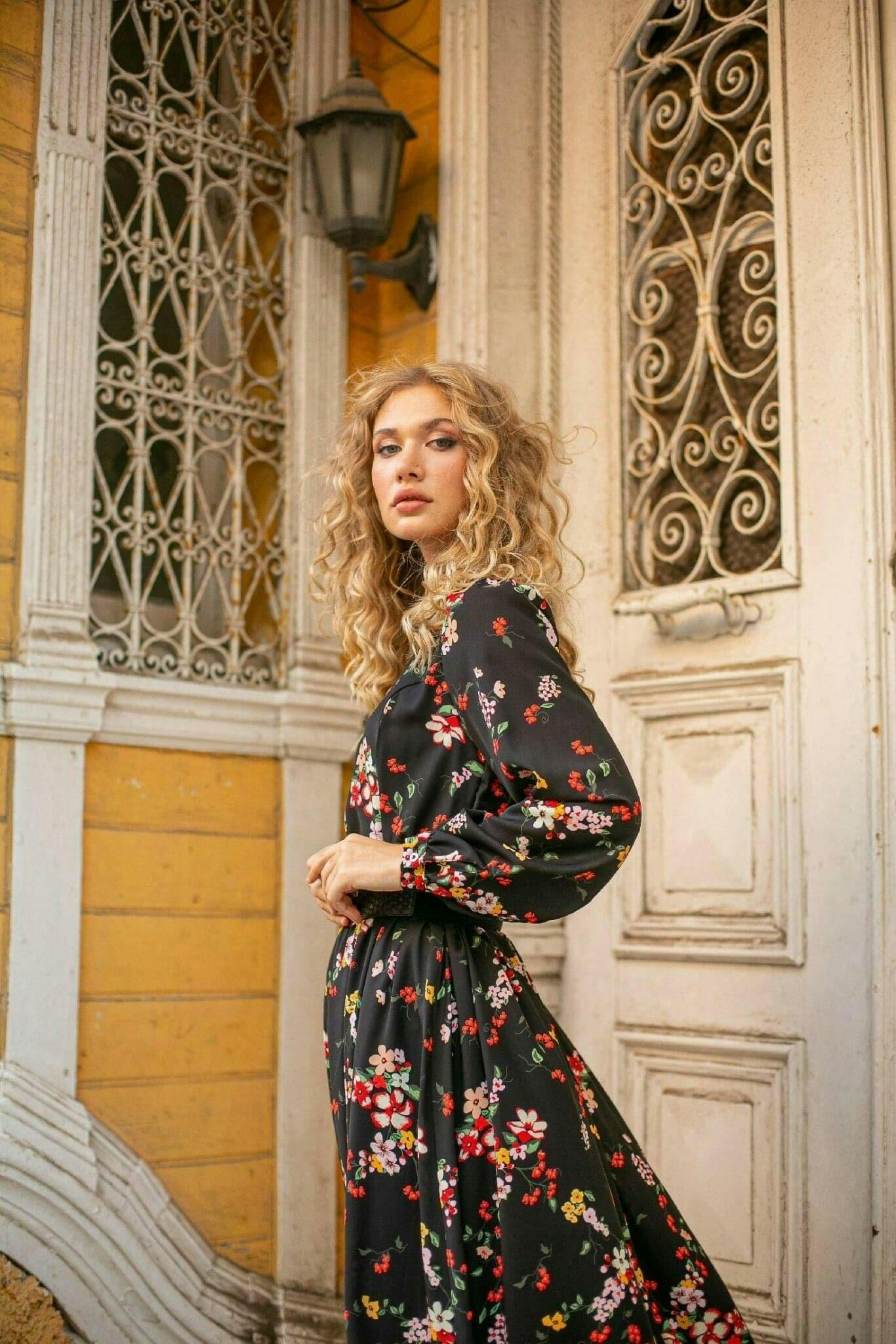
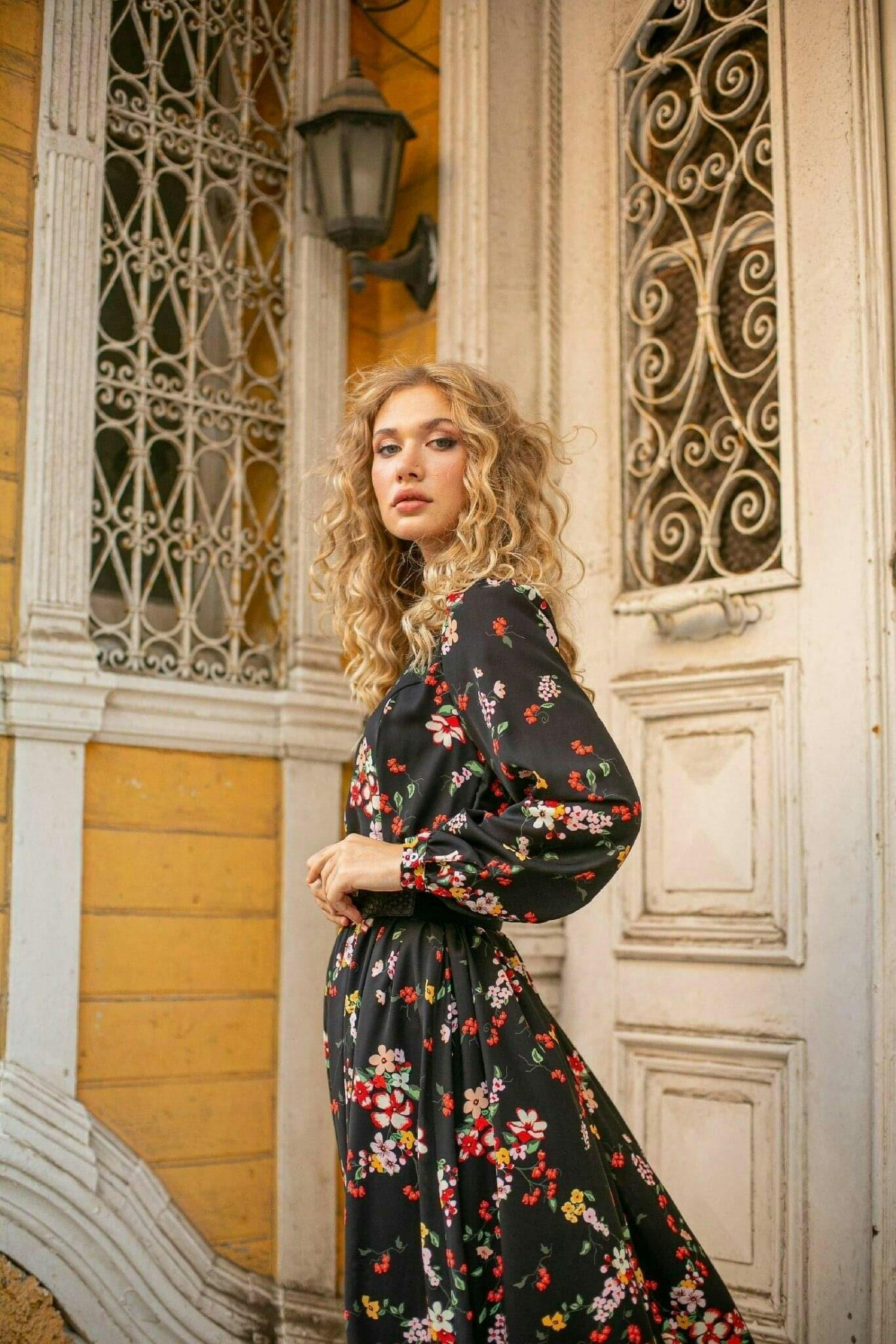
Discover this season's luxury modest fashion with our elegant abaya collection—where timeless tradition meets contemporary style for the modern woman seeking versatility without compromising her values.
"Exploring the Cultural Significance of Head Scarves and Hijabs: A Historical and Modern Perspective." - Glamourous Grace

Style Guide

"Exploring the Cultural Significance of Head Scarves and Hijabs: A Historical and Modern Perspective."

Wajma A Nasri.Sep 23, 2024
Head scarves are more than just pieces of fabric; they carry deep cultural, religious, and social significance. People have worn versatile clothing for many reasons throughout history. These reasons include modesty, religious beliefs, protection, and fashion.   Head scarves are worn by many people around the world. Muslim women wear hijabs, and some people with natural hair use head wraps. They have different purposes for different cultures. In this article, we'll explore the cultural significance of head scarves, their historical roots, and their modern-day relevance. A Brief History of Head Scarves by Zahra Amiri (https://unsplash.com/@zahraamiri_) Head scarves have a rich history that spans many cultures and centuries. In ancient times, they were worn for practical reasons, such as protection from the sun or as a sign of social status. For instance, in ancient Egypt, both men and women wore head scarves. These garments often denoted rank and were adorned with jewels or intricate patterns, reflecting the wearer's social standing. In some cultures, head scarves show if someone is married or are used in religious events. They are an important part of cultural identity. As time passed, the use of head scarves evolved. In medieval Europe, women wore these to show modesty and religious devotion. This was often based on religious rules and social customs. In the Middle East, the tradition of wearing head scarves has deep religious roots, particularly in Islam. The head scarf has transcended its initial purposes, becoming a symbol of cultural continuity and spiritual devotion. Its evolution continues today, reflecting societal changes and the blending of cultures through globalization. The Hijab: A Symbol of Faith and Identity by Alex Sheldon (https://unsplash.com/@slavewire) The hijab is perhaps the most well-known type of head scarf in the world today. For Muslim women, wearing a hijab is a symbol of their faith and commitment to modesty. The Quran, the holy book of Islam, instructs women to cover their heads and dress modestly. However, the interpretation of these guidelines varies widely among Muslim communities, leading to diverse expressions of this practice. Some women like to wear bright and fancy hijabs, while others prefer simpler styles. This shows their different tastes and cultures. Some women choose to wear the hijab. Others may feel pressure from their family or society to wear it.   Choosing to wear the hijab is a personal choice. It can show one's faith or cultural background. Despite these differences, the hijab remains a powerful symbol of identity and faith for many Muslim women. It can help women feel stronger. It allows them to share their views and stand up against stereotypes about Muslim women in many places. Men's Head Scarves: Tradition and Practicality by Elizeu Dias (https://unsplash.com/@elishavision) Head scarves are not limited to women; men also wear them for various reasons. In many cultures, men's head scarves serve practical purposes, such as protection from the sun and dust. For example, the keffiyeh is a traditional Middle Eastern head scarf worn by men. This special clothing is used to cover the head and face from hot desert weather. It’s a smart option for people living in dry areas. It's customary in numerous African cultures for men to don head wraps, especially during significant events and festivities. These head wraps can signify social status, age, or marital status. They are often intricately tied and can be adorned with symbols that convey specific messages or affiliations. Beyond their practical uses, men's head scarves often carry deep cultural significance, symbolizing heritage and community. They serve as a testament to the rich tapestry of traditions that define various ethnic groups around the world. Head Scarves for Natural Hair: Style and Protection For people with natural hair, head scarves offer both style and protection. Natural hair can be delicate and prone to damage from environmental factors like sun exposure and humidity. Wearing a head scarf can help protect the hair from breakage and retain moisture, making it a practical choice for hair care. This practice is not only about protection but also about embracing and celebrating natural beauty in its many forms. In addition to their practical benefits, head scarves have become a fashion statement in the natural hair community. They come in different colors, patterns, and styles. This lets people show off their own style while keeping their hair safe. For many, wearing a head scarf is a way to embrace cultural roots and make a personal statement about identity and pride. The versatility of head scarves allows them to be styled in countless ways, offering endless possibilities for self-expression and creativity. Cultural Appropriation vs. Appreciation The popularity of head scarves has also raised questions about cultural appropriation. Cultural appropriation occurs when elements of one culture are adopted by another culture, often without understanding or respecting their original significance. This can be particularly problematic when it involves marginalized or oppressed communities, leading to a dilution or misrepresentation of cultural symbols. Head scarves, with their deep cultural meanings, are often at the center of these discussions. On the other hand, cultural appreciation involves understanding and respecting the cultural significance of head scarves. It requires a willingness to learn about the history and meanings behind these garments. It's essential to educate oneself about the history and meaning before incorporating head scarves into one's wardrobe. By doing so, individuals can celebrate diversity while maintaining the integrity of cultural symbols and traditions. This approach fosters mutual respect and enriches our global cultural tapestry. The Modern-Day Relevance of Head Scarves In today's globalized world, head scarves continue to hold significant cultural, religious, and social value. They are also a source of pride and identity for many people. Here are a few modern-day contexts in which head scarves are relevant: Fashion Industry The fashion industry has embraced head scarves, incorporating them into various collections and runway shows. Designers often draw inspiration from different cultures, creating unique and stylish head scarves that appeal to a broad audience. However, it's crucial for the fashion industry to approach this with sensitivity and respect for the cultural significance of these items. Missteps can lead to accusations of cultural insensitivity or exploitation, underscoring the importance of thoughtful and informed design practices. Social Movements Head scarves have also become symbols in various social movements. For example, the hijab has been used in campaigns advocating for women's rights and religious freedom. In some cases, wearing a head scarf can be an act of defiance against oppressive regimes or discriminatory practices. In this context, head scarves become powerful tools for activism, enabling individuals to make visible statements about their beliefs and values. They serve as reminders of the ongoing struggles for equality and justice faced by many around the world. Personal Expression For many individuals, head scarves are a form of personal expression. They let people show their culture, religion, or style. Whether worn for practical reasons, religious observance, or style, head scarves offer a versatile way to express one's identity. They can be adapted to suit different occasions, moods, and personal preferences, highlighting the wearer's creativity and individuality. Through head scarves, people can connect with their roots and present their unique stories to the world. How to Wear Head Scarves Respectfully If you're interested in wearing head scarves, it's essential to do so respectfully. Here are a few tips to keep in mind: Educate Yourself: Learn about the history and cultural significance of the head scarf you're interested in wearing. Understanding the context can deepen your appreciation and help avoid misunderstandings. Respect Traditions: Be mindful of the traditions and customs associated with head scarves. Avoid wearing them in a way that might be considered disrespectful or trivializing. Support Authentic Brands: Consider purchasing head scarves from brands or artisans that respect and honor the cultural significance of these items. Supporting authentic creators helps preserve cultural heritage and promotes ethical fashion. Listen and Learn: If someone from a culture that traditionally wears head scarves offers feedback, listen and learn from their perspective. This openness fosters dialogue and mutual respect, enhancing cultural understanding. Conclusion Head scarves are rich in cultural, religious, and social significance. From the hijab to men's head scarves and head wraps for natural hair, these items serve various roles in different cultures around the world. By understanding and respecting the history and meaning behind head scarves, we can appreciate their beauty and significance in a meaningful way. These garments are more than mere accessories; they are symbols of heritage, faith, and identity. Whether you wear a head scarf for religious reasons, cultural pride, or personal style, it's essential to approach it with respect and understanding. By doing so, we can celebrate the diversity and richness of head scarves and the cultures they represent. In recognizing their significance, we honor the stories and traditions they embody, fostering a world where cultural diversity is cherished and celebrated.
Covering for Faith: Modest Apparel Insights - Glamourous Grace

Style Guide

Covering for Faith: Modest Apparel Insights

Wajma A Nasri.Aug 14, 2024
Why is covering yourself is Islam is necessary # Why Is Covering Yourself in Islam Necessary? In Islam, modesty is a significant aspect of the faith and daily life. Both men and women are encouraged to dress modestly, but the emphasis is often on women's attire. The importance of covering oneself in Islam goes beyond mere clothing; it touches on spirituality, morality, and social values. This article will explore the reasons why modest clothing is essential in Islam, focusing on the teachings, benefits, and societal impacts. The Teachings of Islam on Modest Clothing The Quran and Hadith The primary sources of Islamic teachings, the Quran and Hadith, provide clear guidelines on modesty. In the Quran, Allah instructs both men and women to lower their gaze and dress modestly. For instance, Surah An-Nur (24:30-31) advises men to lower their gaze and guard their modesty, and women to draw their veils over their bosoms and not display their beauty except to their immediate family. The Hadith, which are the sayings and practices of the Prophet Muhammad (PBUH), further elaborate on these guidelines. For example, the Prophet emphasized the importance of modesty in several narrations, stating that "modesty is part of faith." The Concept of Hijab Hijab is often misunderstood as merely a headscarf. However, in Islam, hijab refers to the broader concept of modesty, privacy, and morality. It encompasses not just clothing but also behavior, speech, and attitudes. The physical hijab, such as the headscarf, is a manifestation of this broader principle. Spiritual and Moral Benefits Strengthening Faith Wearing modest clothing is a form of worship and obedience to Allah. It is a constant reminder of one’s faith and duties as a Muslim. By adhering to the guidelines of modesty, Muslims can strengthen their relationship with Allah and demonstrate their commitment to their faith. Promoting Humility Modest attire helps in cultivating humility. It shifts the focus from physical appearance to inner qualities and character. This aligns with the Islamic teaching that true beauty lies in one's piety and actions rather than physical appearance. Social and Psychological Benefits Reducing Objectification One of the significant social benefits of modest clothing is the reduction of objectification. By covering themselves, Muslim women can minimize the chances of being judged based on their appearance. This can lead to a healthier, more respectful interaction between genders. Enhancing Self-Respect and Confidence Modest clothing can enhance self-respect and confidence. When individuals dress in a way that aligns with their values and beliefs, they often feel more comfortable and confident. This sense of self-respect can positively impact various aspects of life, including professional and personal relationships. Fostering a Respectful Society Modesty in clothing contributes to a respectful and dignified society. When people dress modestly, it sets a standard of decency and respect for everyone. This can lead to a more harmonious and respectful community, where individuals are valued for their character and actions rather than their appearance. Addressing Common Misconceptions Modesty Is Not Oppression A common misconception is that modest clothing, particularly for women, is a form of oppression. However, many Muslim women view it as a source of empowerment and a choice that reflects their faith and identity. It is essential to understand that modesty in Islam is about personal choice and devotion rather than compulsion. Modesty for Both Genders While the focus is often on women's attire, Islam prescribes modesty for both men and women. Men are also required to dress modestly, covering their bodies appropriately and avoiding tight or revealing clothing. This balanced approach ensures that modesty is a shared responsibility. The Role of Modest Clothing in Modern Society by Ben White (https://unsplash.com/@benwhitephotography) Navigating Cultural Diversity In today's diverse and multicultural societies, modest clothing can serve as a bridge between different cultures and faiths. It promotes understanding and respect for Islamic values while allowing Muslims to practice their faith authentically. Adapting to Contemporary Fashion Modest clothing does not mean sacrificing style or fashion. Many contemporary fashion brands and designers are creating stylish and modest clothing options that cater to modern Muslim women. This allows individuals to express their personal style while adhering to their religious principles. Conclusion Covering oneself in Islam is a multifaceted concept that encompasses spiritual, moral, social, and psychological dimensions. It is rooted in the teachings of the Quran and Hadith and serves as a means of strengthening faith, promoting humility, and fostering a respectful society. By understanding the importance of modest clothing in Islam, we can appreciate the values it upholds and the benefits it brings to individuals and communities alike. In summary, modest clothing in Islam is not just about covering the body but about embodying the principles of modesty, respect, and dignity in all aspects of life. It is a choice that reflects one's faith, values, and commitment to living a life that pleases Allah. Feel free to add images and links as needed to make the article more engaging and visually appealing.
Top 10 Classy Abayas in USA - Glamourous Grace

Style Guide

Top 10 Classy Abayas in USA

Wajma A Nasri.Aug 09, 2024
Top 10 Classy Abayas in USA Finding the right abaya can be hard, especially if you want one that is modest yet stylish. With the increasing demand for elegant and fashionable modest wear, designers have elevated abayas to new heights of sophistication. In this guide, we’ll explore the top 10 classy abayas available in the USA, perfect for any occasion. 1. The Modern Saudi Abaya by Jason Briscoe (https://unsplash.com/@jsnbrsc) Modern Saudi abayas blend traditional design with contemporary elements. Featuring clean lines and minimalistic details, these abayas are perfect for women who appreciate a subtle yet stylish look. They often come in neutral shades like black, gray, and beige, making them versatile additions to your wardrobe. 2. Luxury Abaya with Embroidery Luxury abayas with detailed embroidery are perfect for special occasions when you want to make a statement. These abayas often feature detailed embroidery on the sleeves, hem, or neckline, adding a touch of elegance and sophistication. The high-quality fabric and exquisite craftsmanship make these abayas a must-have for any fashion-forward woman. 3. Modern Abaya with Belt A modern abaya with a belt offers a chic and tailored look. The belt cinches at the waist, creating a flattering silhouette while maintaining modesty. These abayas are great for casual or formal occasions, and they come in many colors and fabrics to match your style. 4. Summer Abaya for Women by Luise and Nic (https://unsplash.com/@luiseandnic) As the temperatures rise, you'll want an abaya that's both stylish and breathable. Summer abayas for women are made from lightweight fabrics like cotton and linen, ensuring you stay cool and comfortable. These abayas often feature loose-fitting designs and airy sleeves, making them ideal for hot weather. 5. Classy Black Abaya A classic black abaya is a staple in any modest wardrobe. Known for its versatility and timeless appeal, a black abaya can be dressed up or down depending on the occasion. Whether you choose one with subtle embellishments or a simple, sleek design, a black abaya is always a classy choice. 6. Abaya with Lace Details Lace details add a feminine touch to any abaya. Whether it's lace sleeves, a lace hem, or lace inserts, these delicate details elevate the overall look of the abaya. Lace abayas are perfect for events where you want to showcase a more refined and elegant style. 7. Contemporary Open Abaya The contemporary open abaya is a modern twist on the traditional abaya. This style features an open front, often paired with a matching inner dress or tunic. The open abaya is perfect for layering and can be styled in various ways to suit different occasions. Its versatility makes it a popular choice among fashion-forward women. 8. Floral Printed Abaya For a pop of color and pattern, consider a floral printed abaya. These abayas feature vibrant floral designs that add a touch of whimsy and charm to your outfit. Floral printed abayas are perfect for spring and summer and can be paired with neutral accessories to let the print stand out. 9. Abaya with Pleated Details Pleated details add texture and dimension to an abaya. Whether it's pleated sleeves, a pleated back, or pleated panels, these details create a unique and stylish look. Pleated abayas are perfect for those who want to add a bit of flair to their modest wear. 10. Velvet Abaya by Güner Deliağa Şahiner (https://unsplash.com/@guner_sahiner) For a luxurious and opulent look, a velvet abaya is a perfect choice. Velvet fabric makes the abaya look fancy and perfect for fancy events and special occasions in the evening. Pair a velvet abaya with statement jewelry and heels for a truly glamorous ensemble. Where to Buy Classy Abayas in the USA Now that you've discovered the top 10 classy abayas, you might be wondering where to find them. Here are some reputable stores and online shops in the USA that offer a wide range of stylish abayas: 1. Modanisa Modanisa is a popular online retailer that offers a vast selection of modest wear, including abayas. They feature a variety of styles, from traditional to contemporary, ensuring there's something for everyone. 2. Haute Hijab ByBaano Hijab sells stylish hijabs and abayas of high quality. Their designs are modern and chic, perfect for the fashion-conscious woman. 3. The Modest The Modest is an online store that specializes in luxury modest wear. Their abaya collection features elegant and sophisticated designs, perfect for those who want to make a statement. 4. Aab Collection Aab Collection offers a range of modest clothing, including abayas. Their designs are known for their simplicity and elegance, making them a favorite among modest fashion enthusiasts. How to Style Your Abaya Styling your abaya can be fun and creative. Here are some tips to help you create the perfect look: 1. Accessorize Accessories can elevate your abaya outfit. Consider adding a statement necklace, a stylish handbag, or a pair of elegant heels to complete your look. 2. Layering Layering is key when it comes to styling an abaya. Pair your abaya with a complementary inner dress or tunic. You can also add a stylish jacket or cardigan for added warmth and style. 3. Hijab Coordination Coordinate your hijab with your abaya for a cohesive look. Choose a hijab that complements the color and design of your abaya. You can also experiment with different hijab styles to add variety to your outfits. 4. Footwear The right footwear can make or break your outfit. For a casual look, opt for comfortable flats or sandals. For a more formal look, choose elegant heels or ankle boots. Conclusion Finding the perfect abaya that combines modesty and style doesn't have to be difficult. With this guide to the top 10 classy abayas in the USA, you're sure to find something that suits your personal style and needs. Find the perfect abaya for you, whether it's modern, luxurious, or breathable for summer. There's something for everyone. Happy shopping!
Creating a Timeless Capsule Wardrobe: Your Ultimate Guide to Minimalist Fashion - Glamourous Grace

Style Guide

Creating a Timeless Capsule Wardrobe: Your Ultimate Guide to Minimalist Fashion

Bybaano.com Staff.Jul 28, 2024
Why Opt for a Capsule Wardrobe?Minimalist fashion has been gaining popularity for its simplicity and functionality. A capsule wardrobe is a curated collection of essential clothing items that never go out of style. By investing in versatile pieces, you can create countless outfit combinations while reducing clutter and saving money.Steps to Building Your Capsule Wardrobe Assess Your Style: Start by identifying your personal style and the colors that resonate with you. This will guide your choices and ensure that each piece complements the rest of your wardrobe. Declutter Your Closet: Remove items that no longer serve you or align with your style vision. Keep only the pieces that you love and wear frequently. Invest in Quality Basics: Choose well-made, timeless basics such as a white shirt, tailored trousers, and a classic blazer. These pieces will form the foundation of your wardrobe. Add Versatile Pieces: Incorporate versatile items like a little black dress, a silk scarf, and a denim jacket. These can be dressed up or down for various occasions. Mix and Match: Experiment with different combinations to create new outfits. A capsule wardrobe encourages creativity and allows you to make the most of each piece. Benefits of a Capsule Wardrobe Saves Time: With a curated wardrobe, you'll spend less time deciding what to wear each day. Reduces Decision Fatigue: Fewer choices can lead to better decision-making and increased productivity. Eco-Friendly Approach: By investing in quality pieces and reducing fast fashion consumption, you contribute to a more sustainable fashion industry. Saves Money: While initial investment in quality pieces may seem high, a capsule wardrobe ultimately saves money in the long run by focusing on versatile items that last. Tips for Maintaining Your Capsule Wardrobe Seasonal Evaluation: At the end of each season, assess your wardrobe and rotate pieces as needed. Store off-season items to keep your closet clutter-free. Quality Over Quantity: When adding new pieces, prioritize quality over quantity. Choose items that align with your personal style and can be easily integrated into your existing wardrobe. Accessorize Thoughtfully: Accessories can elevate even the simplest outfits. Invest in timeless accessories like a classic watch, a leather belt, and a versatile handbag. Tailoring and Maintenance: Ensure that your clothing fits well by getting items tailored to your body. Regularly clean and maintain your clothes to prolong their lifespan. Embracing Minimalism in FashionMinimalist fashion is not just about owning fewer clothes; it's a mindset that values quality, purpose, and intentionality. By embracing a capsule wardrobe, you can streamline your style, reduce decision fatigue, and make a positive impact on the environment.Take the first step towards creating a timeless capsule wardrobe today. Simplify your closet, redefine your style, and discover the joy of dressing with less but with more meaning.
Women in Islam: Rights, Roles, and Misconceptions - Glamourous Grace

Style Guide

Women in Islam: Rights, Roles, and Misconceptions

Bybaano.com Staff.Jul 25, 2024
Women in Islam: A Comprehensive Look The role of women in Islam is a multifaceted and often misunderstood subject. Western media and cultural narratives frequently present a distorted picture, focusing on perceived restrictions while overlooking the rights and empowerment Islam affords women. This article aims to provide a balanced and insightful exploration of women's position in Islamic tradition, encompassing their rights, responsibilities, and the historical and contemporary realities of their lives. The Quranic Perspective on Women The Quran, the central religious text of Islam, explicitly outlines the inherent dignity and value of women. It emphasizes their equal creation alongside men and their role as equal partners in building a just and compassionate society. Key verses affirm this principle: "O mankind! We created you from a single (pair) of a male and a female, and made you into nations and tribes, that ye may know each other (not that ye may despise each other). Verily the most honored of you in the sight of Allah is (he who is) the most righteous of you. And Allah has full knowledge and is well acquainted (with all things)." (Quran 49:13) "And among His Signs is this, that He created for you mates from among yourselves, that ye may dwell in tranquility with them, and He has put love and mercy between your (hearts): verily in that are Signs for people who reflect." (Quran 30:21) These verses establish the foundation for a society where women are recognized as equal partners, entitled to respect, dignity, and access to education, economic opportunities, and social participation. Rights and Responsibilities in Islam Islam grants women a wide range of rights, including: **Right to Education:** The Quran encourages both men and women to seek knowledge and emphasizes the importance of education. Historically, Muslim societies have had a long tradition of female scholars and educators. **Right to Property Ownership:** Women can own, inherit, and manage their own property. Islamic law protects their rights to financial independence. **Right to Work:** Women are encouraged to engage in meaningful work and contribute to society. Islam values their economic contributions. **Right to Divorce:** While divorce is discouraged, Islam recognizes that circumstances may arise where it is necessary. Women have the right to initiate divorce proceedings under certain conditions. **Right to Political Participation:** Islamic history boasts numerous examples of women actively participating in politics and governance. Alongside these rights come responsibilities. Islam emphasizes the importance of family, modesty, and ethical conduct for both men and women. The concept of modesty encompasses both physical and moral dimensions, promoting respect and dignity in personal interactions. Misconceptions and Challenges Despite the clear principles outlined in the Quran, certain misconceptions about women in Islam persist. These often stem from cultural interpretations, historical contexts, or misrepresentations in the media. Some common misconceptions include: **Forced Marriage:** Islam strictly prohibits forced marriage and emphasizes the importance of free consent and mutual respect in marriage. **Veiling as a Sign of Oppression:** The veil (hijab) is a personal choice for Muslim women, often seen as a symbol of modesty, dignity, and respect. It is not a symbol of oppression or forced subjugation. **Limited Educational Opportunities:** While historical and social factors have sometimes hindered women's access to education, Islam itself advocates for knowledge acquisition for both genders. Modern Muslim societies are working towards equal access to education for all. Challenges do exist for women in many Muslim-majority countries, including issues related to gender equality, access to justice, and economic opportunities. These are complex social and political issues that require nuanced solutions. It's crucial to avoid generalizations and recognize the diverse experiences of women within the Muslim world. Empowerment and Progress Despite the challenges, there are positive developments in promoting women's rights and empowerment within Muslim communities. Many Muslim women are actively involved in social activism, education, business, and politics. They are making significant contributions to their societies and advocating for greater equality and justice. Organizations dedicated to promoting women's rights in Islam are playing a vital role in raising awareness, providing support, and fostering positive change. Conclusion The role of women in Islam is multifaceted and dynamic, encompassing rights, responsibilities, and challenges. A nuanced understanding of Islamic teachings, historical context, and contemporary realities is essential to dispel misconceptions and promote a balanced perspective. By recognizing the inherent value and dignity of women as articulated in the Quran and by actively engaging in constructive dialogue, we can work towards a world where women are empowered to reach their full potential within the framework of their faith and cultural context.
Understanding Modesty in Islam: A Look into Why Women Cover Themselves - Glamourous Grace

Style Guide

Understanding Modesty in Islam: A Look into Why Women Cover Themselves

Wajma A Nasri.Jul 21, 2024
Modesty in Islam: A Deeper Dive Modesty, known as 'hijab' in Arabic, is a central concept in Islamic teachings and a way of life for many Muslims. It encompasses a range of practices and beliefs, with the most visible expression being the covering of the body, particularly for women. This article delves into the religious and cultural significance of modesty in Islam, exploring its diverse interpretations and practices across various Muslim communities. Religious Foundation of Modesty The concept of modesty finds its roots in the Quran, the holy book of Islam, and the teachings of the Prophet Muhammad. While the Quran doesn't explicitly prescribe a specific dress code, it emphasizes the importance of modest behavior and attire for both men and women. Several verses encourage believers to dress modestly, highlighting the virtues of lowering the gaze, avoiding ostentatious displays of wealth, and promoting purity and dignity. The Significance of Hijab The practice of covering the head and body, often referred to as hijab, is a physical manifestation of modesty for many Muslim women. It serves multiple purposes, including: Preserving Dignity and Respect: Hijab is seen as a symbol of respect for women and their bodies, shielding them from unwanted attention and promoting a sense of dignity. Promoting Spiritual Focus: By covering the body, women are encouraged to focus on their inner qualities and spirituality rather than their physical appearance. Distinguishing Identity: Hijab also serves as a visual identifier for Muslim women, showcasing their faith and cultural heritage. Diversity in Interpretations and Practices It's important to acknowledge that the interpretation and practice of modesty vary significantly across different Muslim communities. While the core values of modesty remain consistent, the specific forms of clothing and head coverings differ based on factors such as: Cultural Influences: Traditional attire and customs play a significant role in shaping the expression of modesty in various regions. Religious Interpretations: Different schools of Islamic thought may hold varying opinions on the specific requirements of modesty, leading to diverse interpretations. Personal Choice: Within the framework of Islamic teachings, individuals are often encouraged to make choices that align with their personal beliefs and preferences. Beyond Clothing: The Essence of Modesty Modesty in Islam extends beyond physical appearance and encompasses aspects of character, conduct, and speech. It emphasizes: Respectful Communication: Speaking with courtesy and avoiding gossip or slander. Humble Demeanor: Avoiding arrogance and displaying humility in interactions. Moral Conduct: Abstaining from actions that violate Islamic principles and upholding ethical standards. Understanding Modesty: A Matter of Respect and Choice The concept of modesty in Islam is multifaceted and requires a nuanced understanding. It's not simply about a specific dress code but rather a comprehensive approach to living a dignified and respectful life. While the physical expression of modesty may vary, the underlying principles of dignity, humility, and respect for oneself and others remain constant. It's essential to approach discussions on modesty with sensitivity and respect for the diverse beliefs and practices within the Muslim community. Ultimately, understanding modesty is about recognizing the importance of embracing values that promote a harmonious and respectful society, regardless of cultural or religious background.
"Empowerment Through Modesty: How Modest Clothing Choices are Redefining Femininity" - Glamourous Grace

Style Guide

"Empowerment Through Modesty: How Modest Clothing Choices are Redefining Femininity"

Wajma A Nasri.Jul 17, 2024
In a world where societal norms often dictate what femininity should look like, the concept of empowerment through modesty has emerged as a powerful form of self-expression and assertion of identity. The choices we make in our clothing can be a reflection of our values, beliefs, and sense of self worth. In this insightful blog post, we will delve into the intriguing notion of how modest clothing choices are reshaping the narrative around femininity, challenging stereotypes, and fostering a sense of empowerment. 
Top 3 Facts You Need to Know About Abayas - Glamourous Grace

Style Guide

Top 3 Facts You Need to Know About Abayas

Wajma A Nasri.Jul 04, 2024
Abayas are traditional garments worn by women in many Middle Eastern countries. They are often black, loose-fitting robes that cover the entire body, except for the hands and face. Here are the top 3 facts you need to know about abayas:
Modest Clothing in Today's Society - Glamourous Grace

Style Guide

Modest Clothing in Today's Society

Wajma A Nasri.Jul 04, 2024
Modest clothing has been increasingly embraced in today's society as a fashionable and empowering choice for individuals of all backgrounds. The shift towards modest fashion reflects a growing desire for clothing that prioritizes comfort, self-expression, and personal values over trends or revealing styles.